
购物车
您的购物车还没有商品!
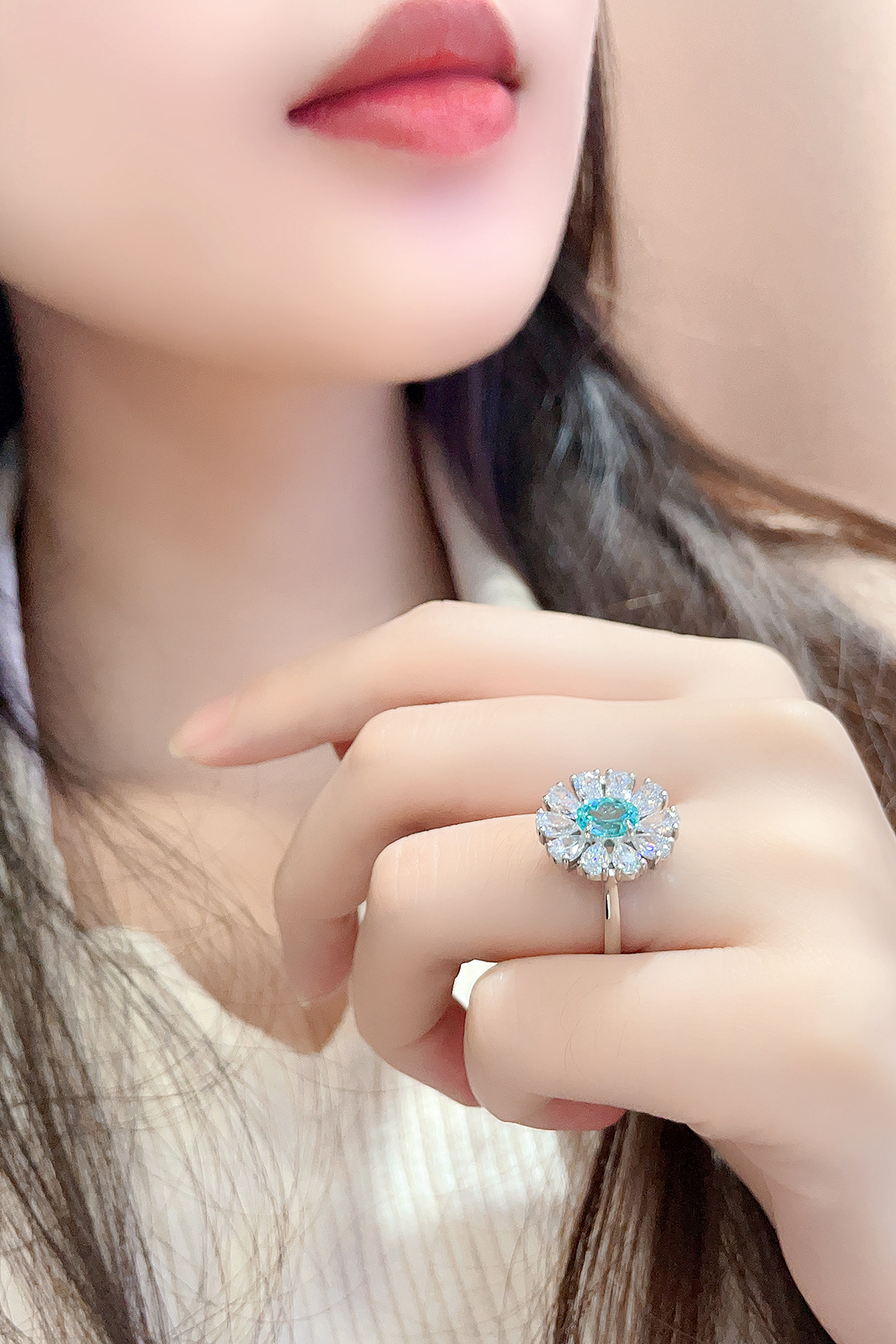
Custom lab-grown diamond jewelry allows buyers to create pieces that match their preferred design, budget, diamond specifications, and personal style. From engagement rings and wedding bands to diamond pendants, earrings, and fine jewelry collections, customization provides greater flexibility than choosing a finished design from standard inventory.
However, producing custom lab-grown diamond jewelry involves more than selecting a beautiful stone and placing it in a setting. The process typically includes requirement confirmation, diamond selection, design development, technical review, material preparation, stone setting, finishing, quality inspection, and packaging.
Understanding the full process of custom lab-grown diamond jewelry helps buyers, jewelry brands, and wholesale purchasers communicate more effectively with manufacturers, set realistic expectations, and evaluate finished products with greater confidence.
The first step in custom lab-grown diamond jewelry production is defining the project requirements. Clear specifications help the designer and manufacturer understand the intended product before materials or production resources are committed.
For individual buyers, this stage may focus on personal preferences, such as ring style, diamond shape, metal color, and budget. For jewelry brands and wholesale customers, the requirements may include a complete product range, standardized dimensions, target costs, and repeat-order consistency.
Common details to confirm include:
Jewelry type, such as rings, earrings, pendants, bracelets, or necklaces.
Center diamond shape, carat weight, color, and clarity requirements.
Accent diamond specifications, if applicable.
Metal type, purity, and color.
Ring size or other finished dimensions.
Design references, sketches, or existing product samples.
Target budget and expected production quantity.
Packaging requirements and delivery expectations.
A detailed product brief can reduce misunderstandings during later stages. For wholesale custom lab-grown diamond jewelry, it is especially useful to document specifications in a format that can be referenced during sampling, production, and quality control.
Stone selection is one of the most important stages in custom jewelry manufacturing because diamond characteristics influence appearance, design possibilities, and overall cost.
Lab-grown diamonds are real diamonds produced through controlled growth processes, primarily chemical vapor deposition (CVD) or high-pressure high-temperature (HPHT). Both methods can produce diamonds suitable for fine jewelry, although individual stones may differ in color, clarity characteristics, growth features, and treatment history.
The shape establishes much of the jewelry's visual character. Round brilliant diamonds are popular for their light performance, while oval, pear, emerald, radiant, princess, and cushion shapes offer different proportions and styles.
The choice of shape also affects the design of the setting. A pear-shaped diamond may require additional protection around its pointed tip, while an emerald-cut diamond emphasizes clarity characteristics and broad flashes of light.
The four commonly used diamond quality factors are cut, color, clarity, and carat weight.
Cut: Influences light performance, particularly brilliance, fire, and scintillation.
Color: Describes the degree of colorlessness in diamonds graded on the relevant scale.
Clarity: Assesses internal inclusions and surface blemishes under defined grading conditions.
Carat weight: Measures the diamond's weight, not its face-up dimensions.
The best combination depends on the design and target budget. A larger diamond is not automatically more attractive, and a higher clarity grade does not guarantee better cut quality.
Both CVD and HPHT diamonds can be used in custom jewelry. Buyers should evaluate the actual stone's characteristics rather than assuming that one growth method automatically produces a more durable or visually superior diamond.
For commercial projects, confirm whether the supplier can provide the requested growth method, specifications, and supporting documentation. If the order requires a grading report from a particular laboratory, that requirement should be established before stone procurement.
For jewelry that uses several diamonds, consistency becomes particularly important. Three-stone rings, tennis bracelets, pavé bands, and matched earrings may require stones with closely coordinated dimensions, color, and appearance.
A clear stone-selection specification helps the manufacturer maintain a consistent look across the finished piece or collection.
After the stone requirements are established, the design moves from an idea or reference image toward a workable jewelry concept.
The buyer may provide sketches, photographs, inspiration images, or an existing product sample. The designer then develops a design that considers the diamond's dimensions, metal structure, wearability, and intended visual effect.
Depending on the project, the design process may include hand sketches, computer-aided design (CAD), and three-dimensional renderings. CAD models allow the designer to evaluate proportions and refine details before a physical sample is produced.
For a custom lab-grown diamond engagement ring, the design review may include:
Center diamond dimensions and orientation.
Prong, bezel, or other setting structure.
Band width and thickness.
Accent stone size and spacing.
Overall height and profile.
Ring size and comfort.
Engraving and decorative details.
Three-dimensional previews help buyers understand the proposed design, but the appearance of a digital rendering may differ from the finished piece because of lighting, materials, stone properties, and manufacturing tolerances.
Before approving the design, confirm that the CAD model reflects the intended dimensions, stone placement, metal color, and decorative details.
Changes made early in the process are generally easier to manage than changes requested after a model has been cast, finished, or set with diamonds. Written approval helps establish a clear reference for manufacturing.
The metal used in custom lab-grown diamond jewelry affects appearance, construction, maintenance, and price.
Common choices include platinum, 14K gold, and 18K gold. White gold, yellow gold, and rose gold offer different visual effects, while platinum provides a naturally white metal appearance.
Platinum is valued for its white color and use in fine jewelry. Its weight, working characteristics, and finishing requirements differ from those of gold alloys.
14K gold contains a lower proportion of pure gold than 18K gold. It is often selected for a balance of appearance, cost, and practical wear characteristics, although performance depends on the specific alloy and construction.
18K gold contains a higher proportion of pure gold than 14K gold. It is often chosen for its richer gold content and premium positioning.
Once the metal is selected, the manufacturer prepares the material for the chosen production method. Depending on the design, the piece may be produced through casting, fabrication, or a combination of techniques.
Material specifications should be documented, particularly for wholesale orders, branded collections, and products that must meet particular metal-purity requirements.
The approved design is then translated into a physical jewelry component.
The exact manufacturing process depends on the product's complexity, metal, and production method. A ring may use a cast or fabricated mounting, while a chain or bracelet may involve additional assembly steps.
In a typical casting workflow, a model is used to create a mold, and molten metal is introduced to form the jewelry structure. The resulting piece is cleaned and prepared for subsequent finishing.
Fabrication involves shaping and joining metal components to achieve the intended design. Some custom pieces combine casting with hand fabrication or other specialized techniques.
After the basic structure is formed, the manufacturer removes excess material, refines the shape, and checks important dimensions. Areas around the stone seats and setting components require particular attention because they affect how securely the diamonds will fit.
At this stage, the jewelry structure should be checked against the approved design. Problems with dimensions or stone placement are easier to address before the diamonds are set.
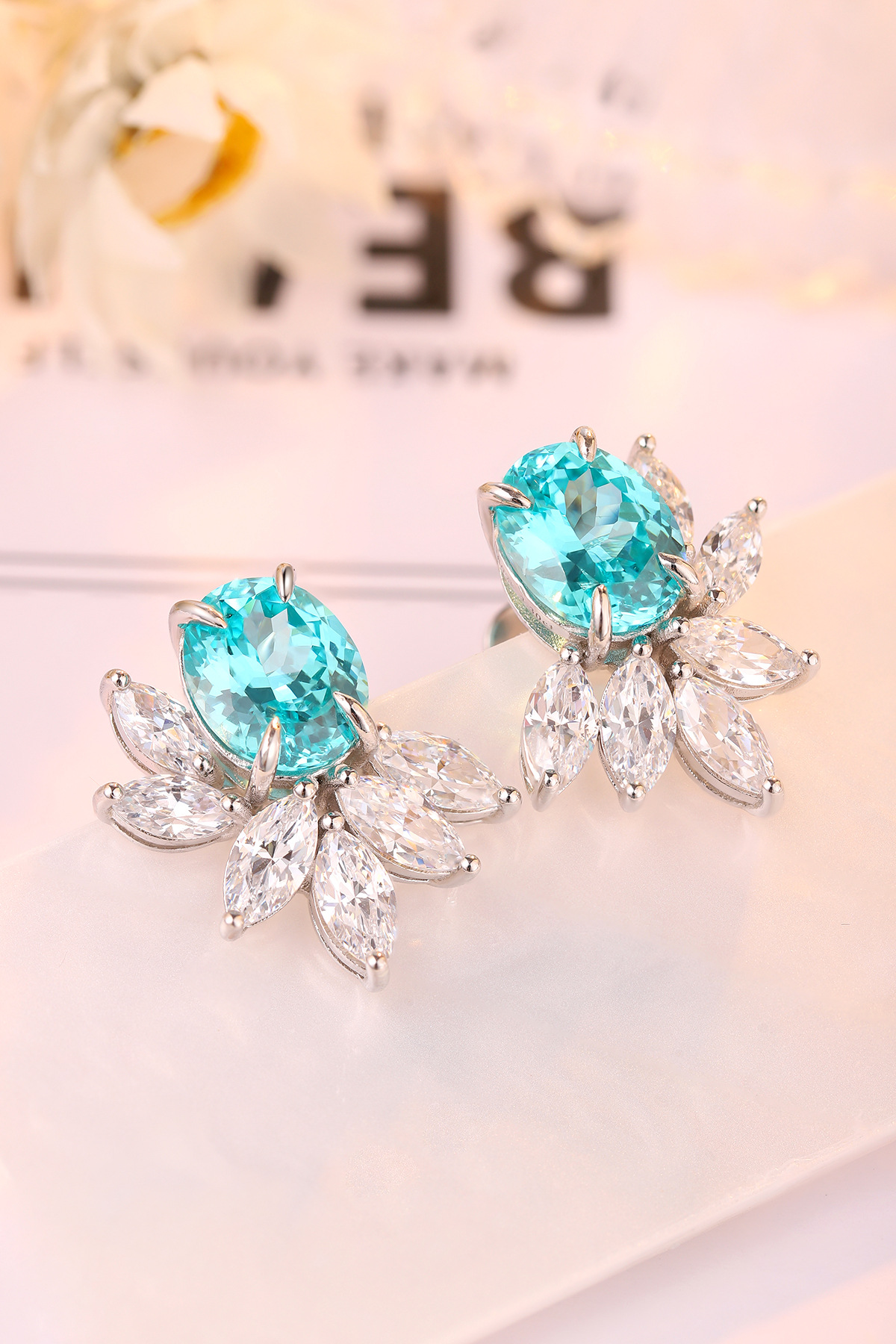
Diamond setting is a critical step because it affects both the appearance and security of the finished jewelry.
The setter positions each diamond in the prepared mounting and secures it using the selected setting technique. Different designs require different methods.
Prongs hold the diamond at selected points around its edge. This approach can expose a large portion of the stone and create a classic appearance, but the prongs must be properly formed and secured.
A bezel uses a metal rim around the diamond's perimeter. It offers edge protection and a clean visual outline, although the amount of visible diamond depends on the design.
Pavé settings use small diamonds arranged closely together along a surface. They require precise spacing and careful finishing to create a consistent pattern.
Halo designs surround a center diamond with smaller stones, while three-stone and other multi-stone designs use several diamonds as coordinated elements. Matching dimensions and maintaining visual alignment are particularly important in these pieces.
After setting, the manufacturer should inspect the diamonds for alignment, visible gaps, uneven prongs, and other issues that may affect appearance or security.
Once the diamonds are set, the jewelry undergoes final finishing. This stage refines the metal's appearance and removes minor marks left by earlier manufacturing operations.
Common finishing options include high polish, satin or brushed finishes, and combinations of polished and textured surfaces.
White gold jewelry may receive rhodium plating if specified. This plating can enhance the bright white appearance of the surface, but it may wear over time and require maintenance.
During final finishing, the manufacturer must take care around the diamonds and setting components. Excessive force or unsuitable tools can damage delicate details, loosen stones, or affect the finish.
A consistent finishing standard is especially important for wholesale custom lab-grown diamond jewelry because differences in polish, plating, and surface texture can be noticeable across a batch.
Before custom lab-grown diamond jewelry is approved for delivery, the finished piece should undergo quality inspection. The inspection process should reflect the product specifications, order requirements, and intended use.
The diamonds should be checked for consistency with the approved specifications. Where grading reports are required, the relevant stone identity and documentation should be verified.
For multi-stone jewelry, inspectors should also assess whether the accent stones match the approved design in size, appearance, and arrangement.
Prongs, bezels, and other setting components should be checked to confirm that the diamonds are secure. The inspector should look for uneven or damaged prongs, movement of stones, and visible gaps that may indicate a problem.
The finished jewelry should be compared with the approved dimensions, size, metal specifications, and design details. For rings, this may include ring size, band width, and overall height.
The piece should be examined for scratches, uneven polishing, visible casting defects, rough edges, and inconsistent plating or finishing where applicable.
The jewelry should be viewed from different angles and under appropriate lighting to confirm that the finished appearance matches the approved design as closely as practical.
For wholesale orders, an agreed quality-control checklist and sampling plan can help maintain consistency across production batches.
Once inspection is complete, the manufacturer prepares the jewelry for delivery.
The exact documentation depends on the order and supplier arrangements. It may include invoices, product specifications, diamond grading reports where applicable, metal information, care instructions, and warranty or return-policy details.
Packaging should protect the jewelry during storage and transportation. Rings, earrings, and pendants may require individual boxes or compartments to reduce contact between pieces and protect delicate settings.
For commercial orders, finished-goods verification should also include a count of the items, confirmation of product variations, and comparison with the purchase order.
Before dispatch, buyers should confirm:
Product quantities and approved specifications.
Packaging and labeling requirements.
Included reports or other documents.
Shipping method and delivery details.
Any remaining inspection or acceptance requirements.
For custom projects, retaining approved CAD files, product specifications, and quality records can make future reorders easier and more consistent.
The time and cost required for custom lab-grown diamond jewelry depend on several variables. There is no single timeline that applies to every project.
Important factors include design complexity, diamond availability, metal selection, production quantity, setting requirements, and the number of design revisions.
A straightforward ring using a readily available diamond may involve fewer stages than a complex multi-stone bracelet or a coordinated jewelry collection with many sizes and specifications.
Costs may include diamond procurement, design and CAD work, metal, casting or fabrication, stone setting, finishing, quality inspection, packaging, and shipping.
To avoid unexpected delays, confirm the specifications, budget, approval milestones, and delivery expectations before production begins. For larger orders, ask the manufacturer whether a sample or pre-production approval stage is appropriate.
The full process of custom lab-grown diamond jewelry involves a series of connected steps, from defining requirements and selecting diamonds to design approval, metal preparation, manufacturing, stone setting, finishing, inspection, and delivery.
Each stage contributes to the appearance, fit, quality, and reliability of the finished product. Clear specifications and timely approvals help reduce misunderstandings, while careful diamond selection and quality inspection support consistent results.
Whether creating a single custom engagement ring or developing a wholesale jewelry collection, buyers can benefit from understanding the production workflow and working with a supplier that communicates clearly about materials, design capabilities, documentation, quality standards, and delivery expectations.
A successful custom lab-grown diamond jewelry project is not simply about choosing a beautiful stone. It is about coordinating the diamond, design, materials, craftsmanship, and quality-control process to produce a finished piece that meets the intended requirements.









