Choosing the best metal for a lab-grown diamond ring setting is essential for crafting beautiful, comfortable, and long-lasting fine jewelry. While a lab-grown diamond steals the spotlight with its exceptional brilliance and fire, the ring setting plays a vital role in securing the stone, defining the ring’s overall style, and determining long-term maintenance needs.
The most popular metals for lab-grown diamond engagement rings and fine jewelry include platinum, 14K gold, and 18K gold. Each material delivers unique benefits in terms of color tone, alloy composition, wear resistance, and price point. White gold offers a sleek, modern finish, yellow gold brings timeless warmth, rose gold creates soft romantic tones, and platinum features a pure, natural white luster with premium durability.
The ideal setting metal for your lab-grown diamond ring ultimately depends on your budget, color preference, daily lifestyle, and custom setting design. Platinum is perfect for buyers seeking a natural white precious metal with high-end quality, while 14K gold serves as a durable, cost-effective solution for everyday wear. For customers who prioritize higher pure gold content and luxurious texture, 18K gold remains the top premium choice. Understanding the key differences between these metals helps you select the perfect setting that complements your lab-grown diamond and fits your long-term wearing needs.
What Makes a Good Metal for a Lab-Grown Diamond Ring?
A high-quality ring setting metal must perfectly balance visual appearance, structural stability, wearing comfort, and low maintenance. The best choice also varies based on your lab-grown diamond’s shape, carat size, and custom mounting design. Before comparing specific metal types, it is critical to evaluate these core factors.
Durability and Everyday Wear Performance
Engagement rings and daily diamond jewelry are worn consistently, facing regular friction, accidental impacts, and exposure to daily chemicals. The selected metal must match the ring’s structure and intended usage scenario.
It is worth noting that durability does not rely solely on metal type. Alloy formulation, manufacturing precision, band thickness, prong structure, and daily maintenance all significantly impact a ring’s long-term performance and wear resistance.
Diamond Security and Structural Stability
The core function of any ring setting is to hold the lab-grown diamond firmly and securely. Well-designed prongs, bezels, and mounting structures prevent stone loosening or falling out over time.
A harder or more expensive metal does not guarantee a safer setting. Poor craftsmanship and unreasonable structural design can cause diamond loosening regardless of metal material. Therefore, professional craftsmanship is equally important as metal selection.
Visual Appearance and Color Contrast
Metal tone completely reshapes the overall style of a lab-grown diamond ring. White metal creates a clean, bright, minimalist aesthetic, while yellow and rose gold deliver warm, soft, and vintage vibes. Metal color also adjusts the visual contrast between the diamond and the setting.
Near-colorless lab-grown diamonds appear crisp, transparent, and brighter against white metal backgrounds. Warm-toned gold settings create gentle color layering, enhancing the diamond’s three-dimensional visual effect.
Maintenance Requirements and Long-Term Costs
Different metals require different levels of daily upkeep. White gold is typically rhodium-plated to achieve a flawless bright white finish, and the plating layer will wear over time, requiring regular replating to restore its original luster.
Platinum features a natural white color that never requires rhodium plating, though it will gradually form a delicate vintage patina after long-term wear. All gold jewelry needs routine professional polishing and inspection to maintain a smooth, flawless surface.
Platinum: A Premium Natural White Metal Choice
Platinum is one of the most high-end precious metals for luxury engagement rings. Famous for its natural white luster, dense texture, and stable chemical properties, it matches perfectly with all lab-grown diamond shapes, including round, oval, emerald, pear, and cushion cuts.
Advantages of Platinum
Naturally white tone: Platinum possesses pure white color inherently, no rhodium plating required, never fades or turns yellow.
Superb setting stability: Excellent ductility and toughness make it ideal for fine prong settings, bezel settings, and intricate custom designs, firmly locking diamonds in place.
Premium solid texture: Higher density than gold, delivering a substantial, luxurious hand feel that highlights high-end jewelry grade.
Unique wear characteristics: Platinum develops subtle surface scratches and a soft patina over time instead of obvious discoloration, forming exclusive vintage traces of wear.
Potential Disadvantages
Platinum is generally more costly than gold settings, with specific prices fluctuating based on market metal prices, ring weight, design complexity, and manufacturing costs. Its high density also makes platinum rings heavier on the finger, which may feel cumbersome for buyers who prefer lightweight jewelry.
Who Should Choose Platinum?
Platinum is the best option for buyers who pursue natural white precious metal, premium jewelry texture, and long-term wearing value. It is highly recommended for lifelong lab-grown diamond engagement rings. With professional craftsmanship and regular maintenance, platinum settings can maintain stable beauty and diamond security for decades.
14K Gold: The Most Practical Everyday Wear Metal
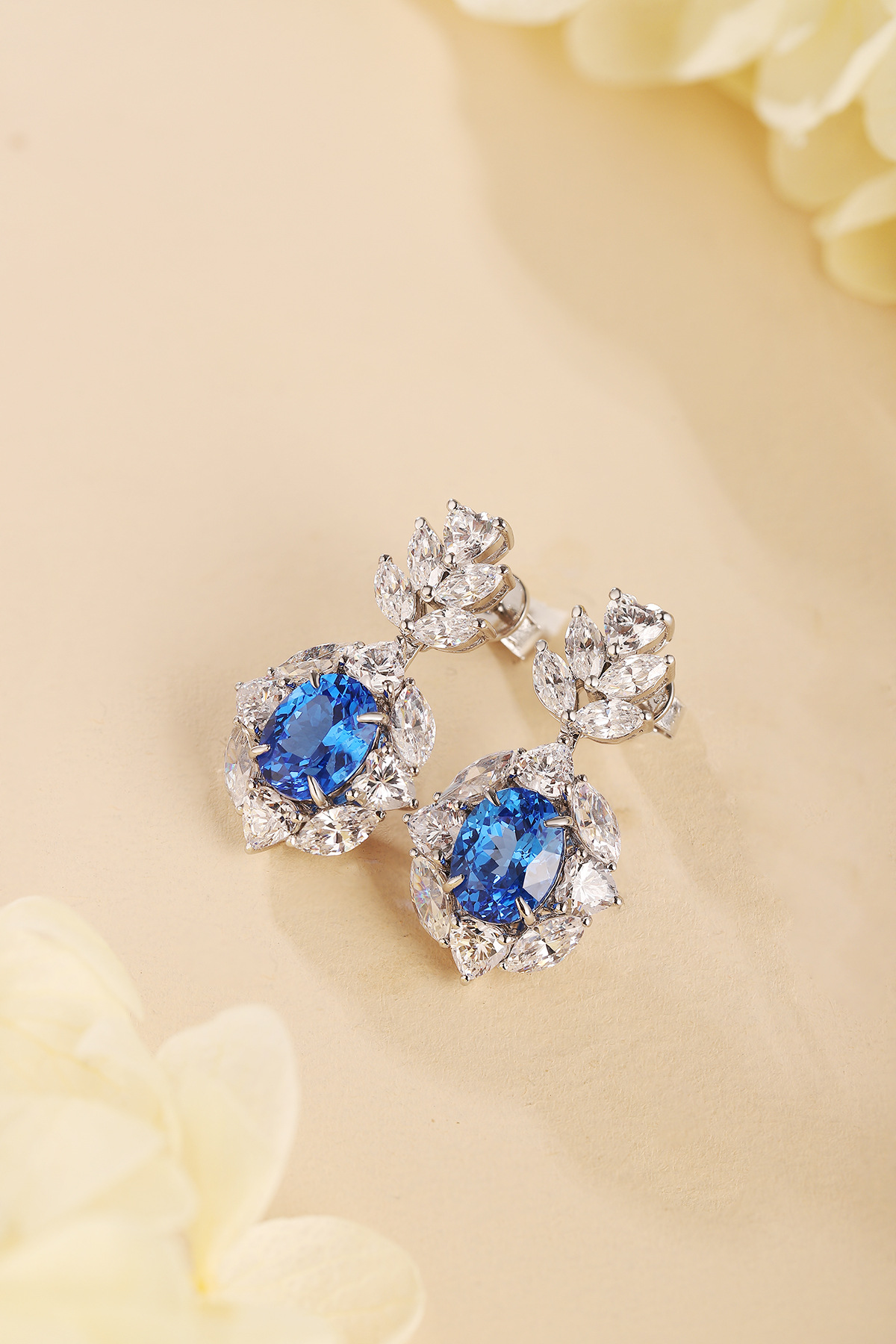
14K gold contains 58.5% pure gold, blended with durable alloy metals to enhance hardness and wear resistance. Balancing affordable pricing, stable performance, and versatile aesthetics, 14K gold is the most widely used metal for custom lab-grown diamond rings. It is available in white, yellow, and rose gold, adapting to all styles of custom jewelry designs.
Advantages of 14K Gold
Exceptional daily practicality: Optimized alloy formula provides ideal hardness and scratch resistance, perfectly suited for frequent daily wear.
Cost-effective pricing: More affordable than 18K gold and platinum while retaining precious metal texture, maximizing cost performance.
Full color options: White, yellow, and rose gold cover modern, classic, and romantic styles to meet diverse aesthetic needs.
Powerful versatility: Suitable for solitaire rings, halo settings, three-stone rings, pavé bands, and all mainstream diamond ring designs.
Potential Disadvantages
The performance of 14K gold varies slightly with alloy ratios. White 14K gold needs regular rhodium replating to maintain a bright white finish. Yellow and rose 14K gold will naturally produce minor surface scratches after long-term wear. In addition, a small number of people may be sensitive to individual alloy components, so checking the specific alloy composition is recommended for sensitive skin.
Who Should Choose 14K Gold?
14K gold is the optimal choice for buyers balancing budget, aesthetics, and daily practicality. It is especially suitable for customers who wear their engagement rings every day and want flexible, cost-effective high-quality diamond jewelry without excessive premium costs.
18K Gold: Luxurious Texture with Higher Pure Gold Content
18K gold consists of 75% pure gold combined with high-quality auxiliary alloys. Thanks to its higher pure gold ratio and richer metallic luster, it is widely used in high-end custom jewelry and designer pieces. Like 14K gold, 18K gold supports white, yellow, and rose gold color options.
Advantages of 18K Gold
Higher pure gold content: Richer gold texture and higher collection value compared with 14K gold.
Luxurious color performance: Yellow and rose 18K gold present full, saturated, premium tones that elevate jewelry grade.
High-end positioning: The preferred material for luxury engagement rings, custom designer jewelry, and high-end fine jewelry collections.
Rich color diversity: Precise alloy adjustments realize pure white, warm yellow, and tender rose gold tones.
Potential Disadvantages
18K gold is not inherently more durable than 14K gold. Due to higher pure gold content, some 18K alloys are slightly softer and more prone to minor scratches and deformation under strong impact. Meanwhile, the higher gold ratio makes 18K gold jewelry more expensive than 14K gold styles.
Who Should Choose 18K Gold?
18K gold is ideal for buyers who value high pure gold content, luxurious texture, and exclusive color tones. For daily wear 18K gold rings, professional structural design and regular jewelry inspections are recommended to maintain long-term beauty and stability.
White Gold vs Yellow Gold vs Rose Gold: How to Choose the Right Tone
Gold color selection is mainly based on personal aesthetic preference, yet it directly affects the overall visual effect of your lab-grown diamond ring.
White Gold: Delivers a minimalist, bright, and modern visual effect, perfectly matching colorless and near-colorless lab-grown diamonds. Most white gold adopts rhodium plating technology for a flawless mirror white finish, requiring regular maintenance to retain its luster.
Yellow Gold: Presents a classic, warm, and noble temperament. It forms a soft and hierarchical color contrast with near-colorless lab-grown diamonds, available in both 14K and 18K grades for different budget demands.
Rose Gold: Gets its elegant pink tone from copper elements in the alloy. It fits romantic vintage styles, gentle daily styles, and unique modern custom designs, with subtle color differences determined by professional alloy formulas.
When selecting metal color, always observe the metal and diamond as a complete set. The best match is the one that maximizes your lab-grown diamond’s advantages and fits your personal style.
Best Metal for Different Lab-Grown Diamond Setting Styles
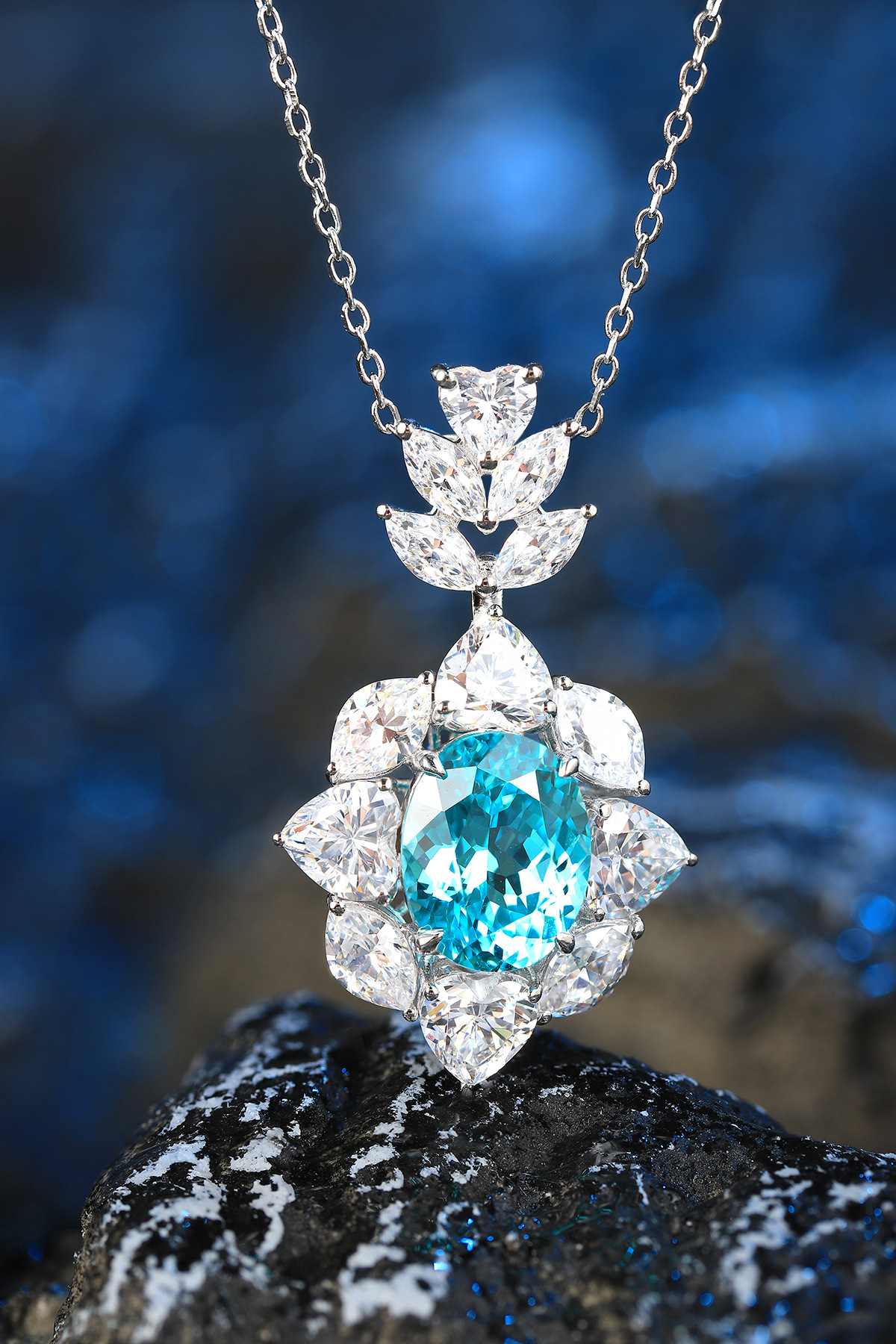
Different setting structures have different requirements for metal hardness, toughness, and stability. You can select materials according to your custom ring design.
Solitaire Settings
Solitaire rings focus all visual attention on the center lab-grown diamond. Platinum, 14K gold, and 18K gold are all fully applicable, as long as the prongs and mounting structure are precisely crafted. Choose metal based on color preference, budget, and maintenance habits instead of blindly pursuing a single material for better diamond sparkle.
Halo Settings
Halo rings surround the center diamond with layered small accent stones, featuring complex structural components and requiring higher cleaning and inspection frequency. Both gold and platinum are suitable for halo designs. The key factors are accurate stone positioning, reasonable metal thickness, and firm setting craftsmanship.
Pavé Bands & Full Diamond Bands
Pavé settings arrange tiny diamonds closely on the ring band, with delicate structures vulnerable to friction and impact damage. Metal quality matters, but standardized production processes and regular professional inspections are more critical to ensure long-term stability of small stones.
Bezel Settings
Bezel settings wrap the diamond edge with complete metal rims, providing excellent edge protection for lab-grown diamonds. They are very suitable for active daily wearers. Both platinum and gold can be used for bezel settings, requiring precise shaping to ensure a tight fit without affecting the diamond’s visual presentation.
Does Setting Metal Affect Lab-Grown Diamond Brilliance?
The metal material will never change the inherent optical properties of a lab-grown diamond. A diamond’s fire, brilliance, and scintillation are mainly determined by cutting proportion, facet arrangement, crystal cleanliness, and lighting conditions.
Nevertheless, metal color and setting structure can adjust human visual perception. White metal creates an integrated bright background to highlight diamond transparency; yellow gold adds warm layering; open-style settings expose more diamond facets to enhance sparkling performance.
No single metal can fundamentally make a diamond more brilliant. The center stone’s cut quality and overall design proportion always play a decisive role. When purchasing, evaluate the ring as a complete piece rather than relying on metal material alone.
How to Choose Metal Based on Your Lifestyle & Budget
Cost-effective daily wear: Choose 14K gold, the most balanced option for long-term frequent wear.
Natural white premium texture: Choose platinum for pure natural white luster and high-end jewelry grade.
High gold content & luxury feel: Choose 18K gold for richer gold texture and higher value.
Warm and personalized style: Choose yellow gold or rose gold to avoid the monotony of white metal.
Complex intricate settings: Prioritize manufacturing quality and stone stability regardless of metal type.
It is recommended to reserve part of your budget for regular professional cleaning, setting inspections, and targeted surface maintenance to extend the service life of your lab-grown diamond ring.
Professional Care Tips for Lab-Grown Diamond Ring Settings
High-quality metal materials still require scientific daily maintenance to maintain long-term luster and stability. Follow these professional care habits:
Clean the ring regularly with lukewarm water and mild soap, gently brushing the setting and diamond with a soft brush.
Avoid contact with strong chemicals, cosmetics, and abrasive cleaning products.
Remove the ring during strenuous exercise, heavy labor, or impact-prone activities.
Store the diamond ring independently in a soft jewelry pouch to prevent metal scratches and stone collisions.
Arrange professional jeweler inspections every 6–12 months to check prong tightness and setting stability.
Timely perform rhodium replating for white gold rings once discoloration appears.
Follow professional guidance before using ultrasonic or steam cleaning, especially for complex custom settings.
Standard maintenance can effectively retain the ring’s original beauty and eliminate hidden dangers such as loose diamonds in advance.
Conclusion
The best metal for your lab-grown diamond ring setting depends on your personalized balance of appearance, budget, maintenance cost, and daily practicality. Platinum provides a flawless natural white premium option, 14K gold delivers reliable durability and cost performance for everyday wear, and 18K gold satisfies the pursuit of high gold content and luxurious texture. White, yellow, and rose gold each create unique stylistic aesthetics for custom diamond rings.
Ultimately, metal material is only one component of a high-quality lab-grown diamond ring. Precise setting craftsmanship, excellent diamond cut, standardized production processes, and long-term routine maintenance together determine the finished quality and service life. By comprehensively considering these factors, you can select a perfect lab-grown diamond ring that maintains stunning beauty and stable quality for years.










