
购物车
您的购物车还没有商品!
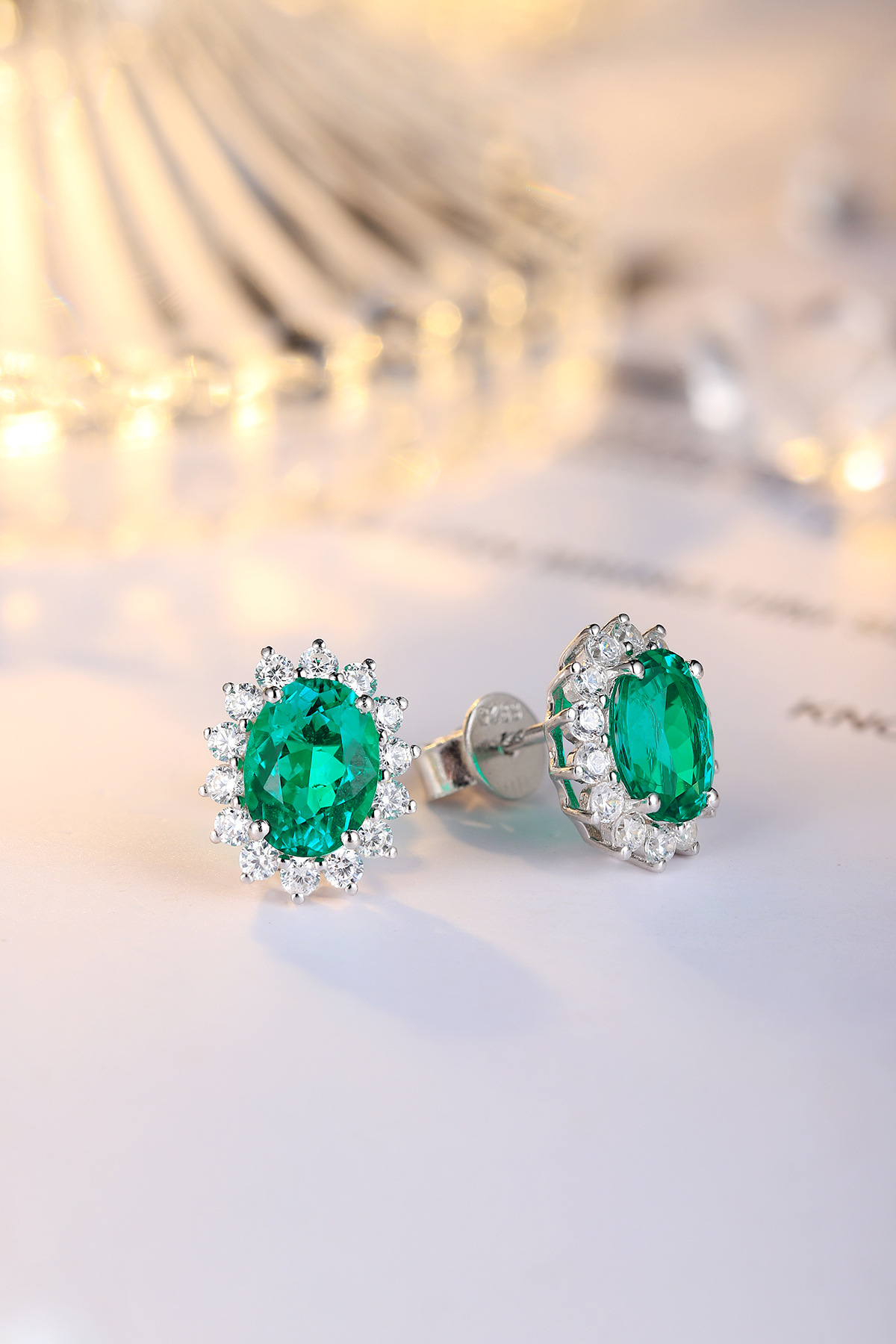
High clarity lab grown diamonds are popular among jewelry buyers who value a clean appearance, impressive brilliance, and refined craftsmanship. Whether selected for an engagement ring, wedding band, pendant, or pair of earrings, a high clarity lab diamond can deliver a beautiful look when properly cut and maintained.
However, some buyers wonder whether diamonds with higher clarity grades require more careful handling than diamonds with visible inclusions. Do high clarity lab diamonds need extra care?
The short answer is no. High clarity lab grown diamonds do not automatically require special maintenance simply because they have fewer visible inclusions. Their care requirements depend more on the diamond's overall quality, cut, setting, and how the jewelry is worn.
Understanding high clarity lab diamond care, everyday cleaning methods, and long-term maintenance can help owners protect their jewelry and preserve its brilliance.
Diamond clarity describes the presence, size, number, position, and visibility of internal characteristics called inclusions and external characteristics called blemishes.
High clarity grades generally include:
FL (Flawless): No inclusions or blemishes visible to a skilled grader under the standard examination conditions.
IF (Internally Flawless): No inclusions visible under those conditions, although minor surface blemishes may be present.
VVS1 and VVS2: Very, very slight inclusions that are extremely difficult to identify under magnification.
VS1 and VS2: Very slight inclusions that are usually difficult to see under magnification.
These grades apply to lab grown diamonds as well as natural diamonds. A laboratory-grown diamond is a real diamond with the same fundamental crystal structure as a mined diamond.
A high clarity grade describes the diamond's clarity characteristics, but it does not automatically indicate greater hardness, better cut quality, or superior resistance to damage.
No. A high clarity lab diamond generally follows the same care routine as any other lab grown diamond.
Diamonds have excellent hardness and resistance to scratching, but they are not indestructible. Even a flawless or internally flawless diamond can chip if it receives a sufficiently strong impact in a vulnerable area.
For most owners, the essential care practices are straightforward:
Clean the diamond regularly to remove oil, dust, and residue.
Avoid strong impacts during sports or heavy manual work.
Store jewelry separately from other pieces.
Check prongs and settings periodically.
Follow cleaning recommendations appropriate for the metal and setting.
These habits help maintain the diamond's appearance and reduce the risk of damage to the entire jewelry piece.
Not necessarily. Diamond clarity and diamond durability are different properties.
Clarity refers to the diamond's internal and external characteristics. Durability involves its resistance to scratching, chipping, and breaking.
A high clarity lab diamond may have fewer visible inclusions, but that does not mean it is automatically tougher than a lower clarity diamond.
Durability can also be influenced by:
The location and nature of internal characteristics
The diamond's shape and proportions
Thin or exposed edges
The quality of the setting
The force and direction of an impact
For example, a high clarity pear-shaped diamond with an exposed tip may need more protection than a well-protected round diamond. The shape and setting can matter more for practical care than the clarity grade alone.
A high clarity lab grown diamond does not naturally lose its brilliance simply because it has been worn for years.
However, a diamond can appear dull when everyday substances accumulate on its surface. Natural skin oils, hand cream, sunscreen, soap, and cosmetics can form a thin film that interferes with light entering and leaving the stone.
Common signs of buildup include:
Reduced sparkle
Less noticeable fire
A cloudy-looking surface
Diminished brightness
Residue around the setting
These effects are usually temporary. Proper cleaning can restore the diamond's appearance.
It is important to distinguish surface buildup from actual damage. If the stone remains cloudy after cleaning or shows visible chips, a professional jeweler should inspect it.
A simple cleaning routine is usually sufficient for high clarity lab grown diamond jewelry.
Mix lukewarm water with a small amount of mild dish soap. Avoid abrasive powders and harsh household cleaners.
Allow the piece to soak for several minutes to loosen oil and everyday residue.
Use a soft toothbrush or jewelry brush to clean the diamond and accessible areas around the setting. Pay particular attention to the underside of the stone, where residue often accumulates.
Rinse away the soap with clean water. Use a bowl or secure drain setup to avoid accidentally losing the jewelry.
Pat the piece dry with a soft, lint-free cloth.
This method works for many diamond rings, pendants, and earrings, but the jewelry's other materials must also be considered. Pearls, delicate accent stones, certain finishes, and some settings may require different care.
Cleaning frequency depends on how often the jewelry is worn and what it encounters.
For an engagement ring worn daily, a gentle cleaning about once a week may be a useful starting point. Jewelry exposed frequently to lotion, sunscreen, cosmetics, or cooking oils may need more frequent attention.
For occasional-wear pieces, cleaning when the diamond looks less bright may be sufficient.
The purpose of cleaning is to remove residue, not to improve the diamond's clarity grade. Cleaning cannot remove an internal inclusion or change the stone's certified clarity classification.
Not necessarily. Many high clarity lab diamonds can be maintained at home with gentle cleaning.
Professional cleaning can be helpful when:
Dirt has accumulated in hard-to-reach areas.
The setting has an intricate design.
The diamond continues to look dull after home cleaning.
The jewelry needs a setting inspection.
The stone appears loose or damaged.
Ultrasonic and steam cleaning may be suitable for some diamond jewelry, but they should not be used automatically. Loose stones, damaged prongs, certain accent stones, and delicate settings can make these methods inappropriate.
A jeweler can recommend a suitable cleaning method based on the complete piece.
Yes. The setting often has a greater influence on everyday maintenance than the diamond's clarity grade.
Prong settings expose much of the diamond, allowing light to enter from different directions. The prongs should be checked periodically for wear, bending, or looseness.
A bezel setting surrounds the diamond with metal and can help protect its edges. Residue may collect around the metal rim, so gentle cleaning remains important.
Halo rings feature small accent stones around the center diamond. The detailed design can collect soap, dust, and oils, requiring attention during cleaning.
Pavé jewelry contains numerous small stones held by tiny metal details. Clean gently and have the setting inspected if any accent stone appears loose.
When choosing a high clarity lab diamond engagement ring, consider both the diamond's quality and the practicality of the setting.
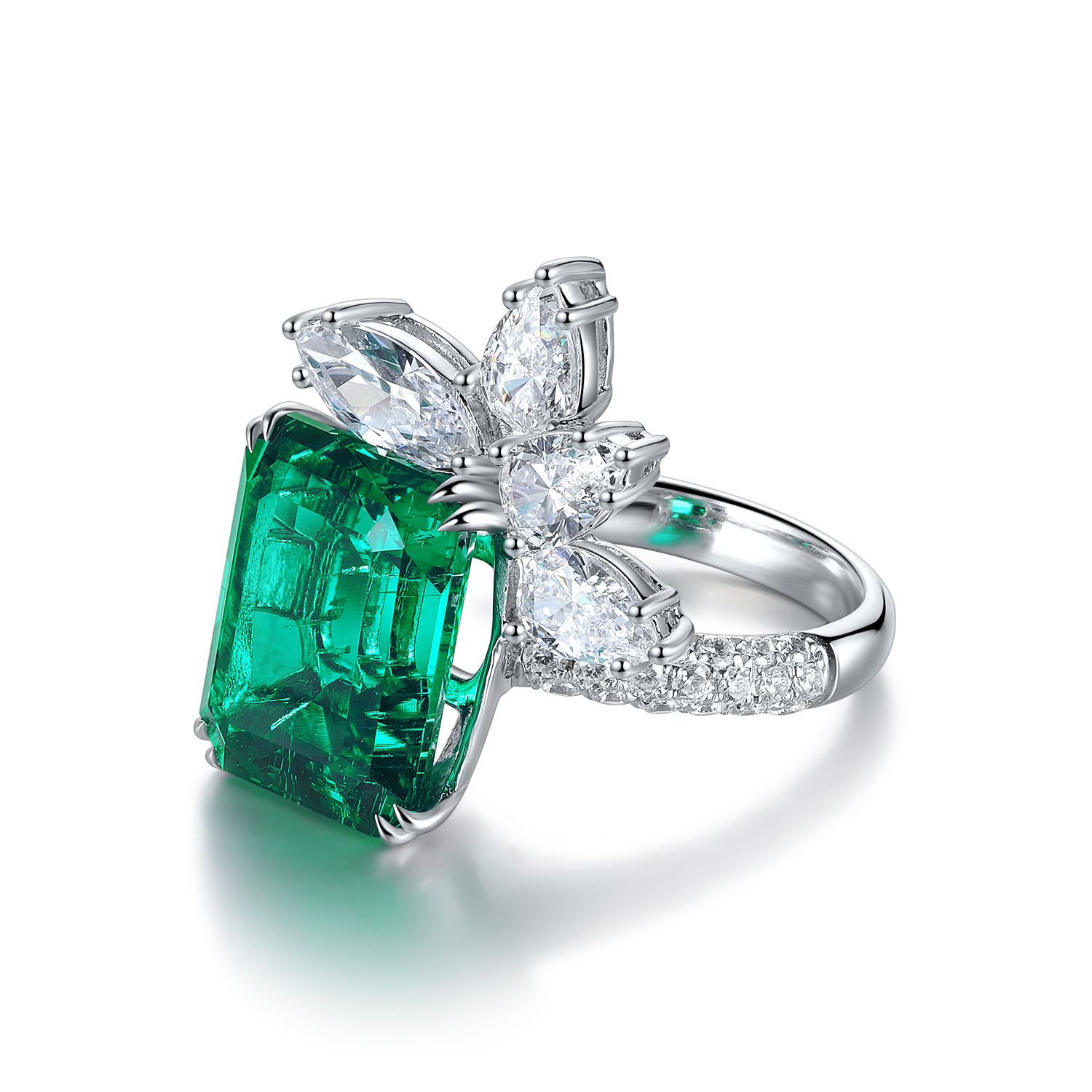
A few preventive habits can help protect high clarity lab diamond jewelry.
Remove jewelry before high-impact activities. Take off rings during contact sports, heavy lifting, gardening, and tasks that may expose the stone to sudden impacts.
Apply skincare products before wearing jewelry. Let lotions and sunscreen absorb before putting on rings or other diamond pieces to reduce residue buildup.
Store each piece separately. Use a jewelry box with individual compartments or soft pouches. Although diamonds resist scratching exceptionally well, they can scratch other materials, and their settings can become tangled or damaged.
Inspect the setting regularly. If a diamond moves, rattles, or catches unexpectedly, stop wearing the piece until a jeweler checks it.
Avoid unnecessary chemical exposure. Household cleaners and other harsh products may damage certain metals, finishes, or accent stones, even when the center diamond itself is resistant.
| Care Factor | High Clarity Lab Diamond | Lower Clarity Lab Diamond |
|---|---|---|
| Routine cleaning | Gentle, regular cleaning | Gentle, regular cleaning |
| Scratch resistance | Excellent | Excellent |
| Impact protection | Important | Important |
| Setting inspection | Recommended | Recommended |
| Need for special cleaners | Generally unnecessary | Generally unnecessary |
| Durability considerations | Depends on structure, shape, and setting | Depends on inclusion characteristics, shape, and setting |
Neither category automatically requires more frequent cleaning. Both benefit from proper maintenance, and individual diamond characteristics should be evaluated when assessing durability.
If you are shopping for a high clarity lab grown diamond, consider more than the clarity grade.
Cut: A well-executed cut can have a major impact on brilliance and light performance.
Color: Choose a color grade that suits your preferred appearance and budget.
Clarity report: Review the grading report and confirm that it identifies the stone as lab grown.
Shape: Consider whether pointed tips or exposed corners need additional protection.
Setting quality: Look for secure prongs, a well-finished band, and craftsmanship appropriate for everyday wear.
Maintenance requirements: Ask how to care for the complete jewelry piece, including its metal and any accent stones.
For many buyers, an eye-clean diamond with an appropriate cut can provide excellent visual appeal without requiring the highest available clarity grade. Higher clarity may be desirable for personal or collection preferences, but it does not eliminate the need for normal jewelry care.
Myth 1: High clarity diamonds are impossible to damage.
Reality: All diamonds can chip or break under certain conditions, regardless of clarity grade.
Myth 2: High clarity lab diamonds need special cleaning chemicals.
Reality: Mild soap and lukewarm water are sufficient for many pieces.
Myth 3: A flawless diamond never looks dull.
Reality: Surface oils and residue can reduce visible sparkle even on a flawless diamond.
Myth 4: Higher clarity automatically means greater durability.
Reality: Clarity and durability measure different characteristics. Shape, structural features, and setting design also matter.
So, do high clarity lab diamonds need extra care? Generally, no. High clarity lab grown diamonds do not require a special maintenance routine simply because they have fewer visible inclusions.
Regular gentle cleaning, appropriate storage, impact prevention, and periodic setting inspections are usually enough to keep them looking beautiful. Buyers should pay attention to the diamond's cut, shape, individual characteristics, and mounting rather than relying on clarity grade alone to predict durability.
With sensible care, a high clarity lab diamond engagement ring or other jewelry piece can maintain its brilliance and remain a treasured part of everyday life for many years.









