
购物车
您的购物车还没有商品!
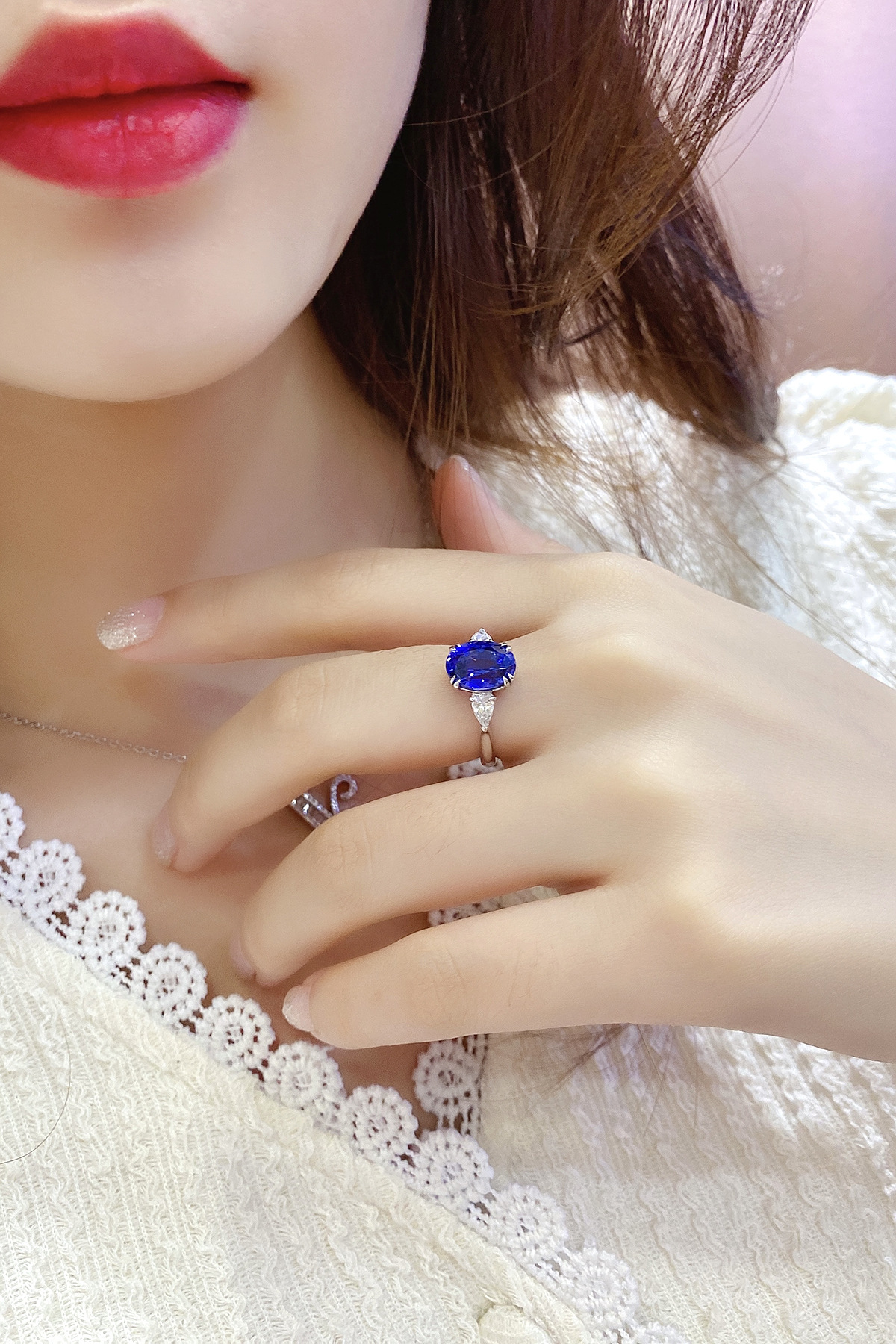
Buying a single moissanite stone is very different from selecting near-colorless moissanite in bulk. When purchasing dozens, hundreds, or even thousands of stones for jewelry production, resale, custom orders, or manufacturing, the goal is not simply to find one attractive gemstone. The real challenge is maintaining consistent color, cut quality, measurements, brilliance, and overall appearance across the entire batch.
A bulk order can look impressive on paper while still producing noticeable differences between individual stones. Slight variations in color, facet proportions, polish, or dimensions may become particularly obvious when multiple stones are mounted next to each other in earrings, tennis bracelets, matching rings, or other jewelry designs.
This near-colorless moissanite bulk selection guide explains the key factors buyers should evaluate before placing a large order and provides a practical framework for comparing suppliers and inspecting bulk moissanite quality.
Near-colorless moissanite refers to stones that have very little visible body color and generally appear white or almost colorless when viewed face-up.
Depending on the supplier's grading terminology, near-colorless stones may fall into categories such as:
Near-colorless
Slightly warm
Near-white
G/H range
H/I range
Other supplier-specific color grades
It is important to understand that moissanite color grading is not always presented using exactly the same system across manufacturers and suppliers.
One supplier's “near-colorless” selection may not look identical to another supplier's. Therefore, buyers should not rely on a grade name alone when sourcing moissanite in bulk.
The most reliable approach is to compare actual samples, photographs, videos, measurements, and quality-control information.
Near-colorless moissanite is particularly useful for jewelry manufacturers and retailers because it provides a clean, bright appearance that works with many designs.
It can be used for:
Engagement rings
Wedding bands
Stud earrings
Tennis bracelets
Pendant jewelry
Matching wedding sets
Pavé jewelry
Halo settings
Three-stone rings
Custom jewelry collections
Wholesale jewelry production
The relatively neutral appearance also makes near-colorless stones easier to coordinate with different metals.
For manufacturers, however, the biggest advantage is not simply the color itself. Consistency across the batch is what makes a bulk selection commercially useful.
When buying one stone, you can select the exact gemstone you like.
With a bulk order, you need to evaluate the distribution of quality across the entire batch.
For example, imagine ordering 500 round moissanite stones that are advertised as near-colorless.
If 450 stones have a similar appearance but the remaining 50 are noticeably warmer, customers may see inconsistent color when stones are used in matching products.
Likewise, a batch can contain stones with:
Slightly different diameters
Different depths
Uneven facet patterns
Variable polish
Different levels of brilliance
Visible differences in body color
Inconsistent symmetry
This is why bulk moissanite quality control should be considered before price.
A reliable bulk-selection process should evaluate several characteristics simultaneously.
Color consistency should be one of the first priorities.
A near-colorless batch should have a reasonably uniform visual appearance when stones are placed side by side under the same lighting conditions.
Ask the supplier to provide:
Representative batch photos
Videos of multiple stones together
Color specifications
Sample stones
Information about grading procedures
Avoid judging an entire production batch from a photograph of a single ideal-looking stone.
Color is only one part of the gemstone's appearance.
A near-colorless moissanite with poor cutting can look less attractive than a slightly warmer stone with excellent proportions and light performance.
Look for:
Balanced proportions
Good symmetry
Consistent facet patterns
Clean facet junctions
Appropriate depth
Good polish
Strong light return
For bulk orders, consistency is especially important. You want the stones to have a similar visual character when they are mounted together.
When ordering large quantities, precise measurements matter.
For round stones, diameter is usually the most important dimension. For fancy shapes, length-to-width ratio becomes particularly important.
For example, if you are producing matching earrings, an engagement-ring collection, or a multi-stone bracelet, inconsistent dimensions can create visible differences between finished pieces.
Ask for:
Length
Width
Depth
Diameter
Length-to-width ratio
Dimensional tolerance
Do not assume that stones labeled with the same carat or size will have exactly the same measurements.
Shape consistency becomes critical when purchasing large quantities.
For round stones, inspect whether the outlines are truly symmetrical.
For oval, pear, heart, cushion, and other fancy shapes, compare:
Length-to-width ratio
Outline symmetry
Shoulder shape
Point definition
Curvature
Facet arrangement
A batch of individually attractive stones can still look inconsistent when placed next to one another.
Most buyers want near-colorless moissanite to appear clean to the naked eye.
For bulk purchasing, establish a minimum clarity expectation before ordering.
Instead of simply asking for “high clarity,” clarify:
Is the clarity consistent across the batch?
Are inclusions visible face-up?
Are there internal marks that become obvious under magnification?
Does the supplier inspect every stone?
Is there a quality-control tolerance?
This is particularly important for small stones used in pavé or cluster jewelry, where visual consistency is more important than individual laboratory-style grading.
Polish can have a noticeable effect on a moissanite's brilliance.
Poor or inconsistent polishing can reduce the crispness of facet reflections and make stones appear less lively.
For bulk orders, inspect several stones rather than only one.
A good batch should demonstrate reasonably consistent:
Surface finish
Facet definition
Reflection quality
Overall visual brightness
Moissanite is valued for its strong optical performance, so bulk buyers should pay attention to both brilliance and fire.
Brilliance refers primarily to the return of white light.
Fire refers to colorful flashes produced when light is dispersed through the gemstone.
A good near-colorless moissanite should provide a lively appearance without excessive dark areas or obvious dead zones.
However, different cuts naturally produce different optical effects. Therefore, compare stones within the same shape and cutting style.
One of the safest ways to evaluate a bulk moissanite supplier is to purchase samples before committing to a large order.
A sample order allows you to compare:
Color
Cut
Measurements
Polish
Symmetry
Brilliance
Fire
Packaging
Shipping quality
Supplier communication
Quality-control consistency
Ideally, request multiple samples rather than a single stone.
One stone can represent the supplier's best production. A group of samples provides a better indication of actual batch consistency.
There is no universal number that works for every purchase, but the principle is simple:
The larger and more important the order, the more representative the sample should be.
If you plan to order 1,000 stones, testing only one sample gives you limited information.
A better approach is to request a small mixed sample representing:
Different production lots
Different sizes
Different shapes
Different color grades, if applicable
For a standardized bulk order, ask the supplier whether the samples can come from the same production specification that will be used for the final order.
Professional product photography can make almost any gemstone look attractive.
For bulk sourcing, however, staged product images are not enough.
Ask for batch photographs or videos showing multiple stones together.
This can help reveal:
Color variation
Size variation
Shape differences
Facet inconsistencies
Surface quality
Overall batch uniformity
If possible, ask for images under neutral lighting rather than highly reflective jewelry-store lighting.
Near-colorless gemstones can look different under different lighting conditions.
A stone may appear:
Whiter under cool daylight
Warmer under incandescent lighting
Brighter under direct illumination
More neutral under diffused daylight
Therefore, bulk buyers should avoid approving a large order based on a single lighting setup.
When comparing suppliers, use the same lighting conditions whenever possible.
This makes differences in near-colorless moissanite color consistency much easier to identify.
No.
A color grade can be useful for narrowing down a supplier's product range, but it should not be the only selection criterion.
For example, two suppliers may both describe their stones as near-colorless while producing noticeably different visual results.
A better bulk specification combines:
Color + cut + dimensions + clarity + polish + symmetry + tolerance + quality control.
This creates a much clearer purchasing standard.
Before requesting a quotation, prepare a written specification.
For example:
| Specification | Example Requirement |
|---|---|
| Stone type | Near-colorless moissanite |
| Shape | Round brilliant |
| Color | Consistent near-colorless appearance |
| Cut | High-quality, symmetrical |
| Polish | Clean and consistent |
| Clarity | Eye-clean |
| Diameter | Defined target measurement |
| Depth | Within agreed tolerance |
| Quantity | Specified by size |
| Dimensional tolerance | Agreed before production |
| Color tolerance | Agreed before production |
| Packaging | Individual or batch-separated |
| QC | Pre-shipment inspection |
The exact requirements will vary according to your jewelry design and target market.
The important point is to define quality before production begins.
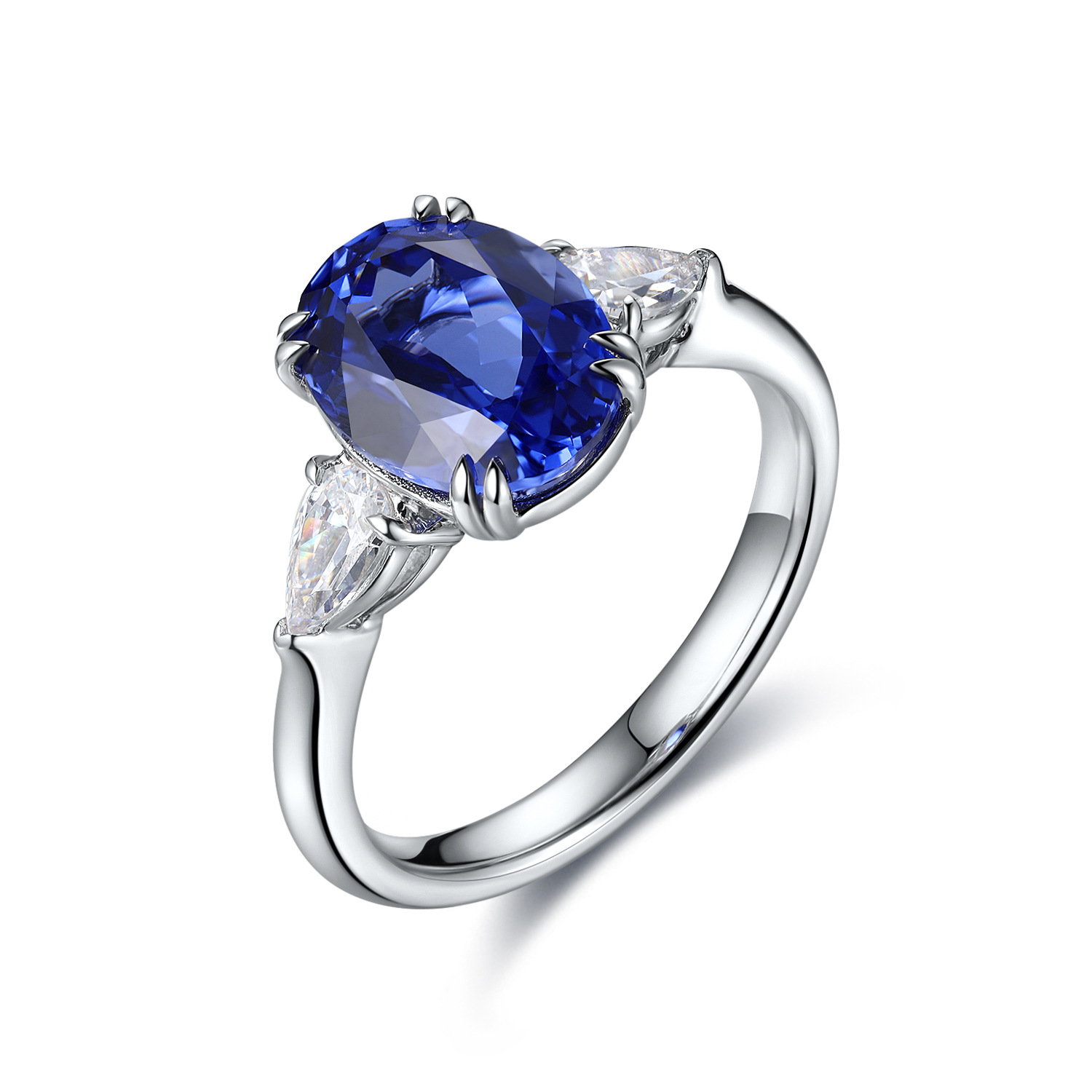
Different shapes require different inspection methods.
Round stones are relatively straightforward to compare.
Focus on:
Diameter
Circular symmetry
Table and depth
Facet alignment
Polish
Brilliance
Small variations can become noticeable when multiple round stones are set together.
For ovals, pay particular attention to:
Length-to-width ratio
Symmetry
Bow-tie effect
Shoulder shape
End curvature
A group of oval stones should have a consistent visual outline.
Pear-shaped stones require careful inspection of:
Point sharpness
Shoulder symmetry
Width
Length
Overall outline
Inconsistent pear shapes can be especially obvious in matching jewelry.
For heart shapes, symmetry is extremely important.
Check whether:
Both lobes are balanced
The center cleft is clearly defined
The point is aligned
The overall outline is symmetrical
Cushion stones can vary significantly in outline and facet pattern.
Decide whether you prefer:
Square cushion
Elongated cushion
Crushed-ice appearance
Brilliant cushion appearance
Then maintain the same specification throughout the order.
Small accent stones require a slightly different approach.
When purchasing pavé or melee moissanite, individual grading may be less important than overall consistency.
For small stones, prioritize:
Consistent color
Similar brightness
Matching size
Consistent shape
Low visible variation
Reliable sorting
This is particularly important for tennis bracelets, eternity bands, halo designs, and pavé settings.
Even small differences can become visible when dozens of stones are placed side by side.
Before placing a large order, consider asking:
What color grading system do you use?
How do you define near-colorless?
Are stones sorted for color consistency?
Are all stones cut to the same proportions?
What dimensional tolerance can you guarantee?
Are stones inspected individually?
Can you provide batch photographs or videos?
Can you provide samples from the actual production specification?
How do you handle stones that fail QC?
Can you maintain the same specifications for repeat orders?
Are the stones treated in any way?
How are stones packaged to prevent damage during shipping?
The answers can tell you a great deal about the supplier's production and quality-control system.
A low price can be attractive, but it does not necessarily represent the lowest total cost.
Suppose Supplier A offers a lower price but has inconsistent color and dimensions. You may later spend additional time sorting stones or rejecting pieces.
Supplier B may charge slightly more but provide tighter consistency.
For manufacturers and retailers, the second supplier may ultimately provide better value.
Consider the complete cost:
Stone price + inspection + sorting + rejects + labor + shipping + replacement costs.
This is why consistent bulk moissanite quality can be more valuable than the lowest initial quotation.
A simple comparison sheet can help.
| Factor | Supplier A | Supplier B |
|---|---|---|
| Near-colorless consistency | ||
| Cut consistency | ||
| Size tolerance | ||
| Shape consistency | ||
| Polish | ||
| Brilliance | ||
| Sample quality | ||
| Batch QC | ||
| Packaging | ||
| Communication | ||
| Lead time | ||
| Price | ||
| Repeat-order consistency |
This prevents the purchase decision from being based entirely on price.
One excellent stone does not guarantee an excellent production batch.
Supplier grading terminology can vary, so always compare actual stones.
Small differences may cause problems during jewelry production.
Cut quality, polish, symmetry, and light performance also determine the final appearance.
If you expect to reorder the same product, confirm that the supplier can reproduce the same specifications.
A final inspection can identify problems before the shipment reaches your workshop or warehouse.
Before approving a near-colorless moissanite bulk order, confirm:
Color specification is clearly defined
Multiple samples have been reviewed
Color consistency is acceptable
Cut quality meets your requirements
Dimensions are within the agreed tolerance
Shapes are consistent
Polish is clean
Stones show good brilliance
Clarity meets expectations
Treatment information is available
Batch photos or videos have been reviewed
Quality-control procedures are understood
Packaging requirements are confirmed
Replacement or rejection terms are agreed
Repeat-order consistency has been discussed
Selecting near-colorless moissanite in bulk requires more than finding a supplier with attractive product photographs or a competitive price.
The most important goal is consistency.
A successful bulk order should provide stones with a reasonably uniform combination of color, cut quality, dimensions, symmetry, polish, clarity, and optical performance. Samples, batch inspections, written specifications, and clear quality-control standards can significantly reduce the risk of receiving inconsistent stones.
For manufacturers, wholesalers, and jewelry retailers, the best bulk moissanite supplier is not necessarily the one offering the cheapest individual stone. It is the supplier that can repeatedly deliver the same quality and appearance across large quantities.
By treating bulk gemstone sourcing as a quality-control process rather than a simple price comparison, buyers can build a more reliable supply chain and produce jewelry with a consistent, professional appearance.









