
购物车
您的购物车还没有商品!
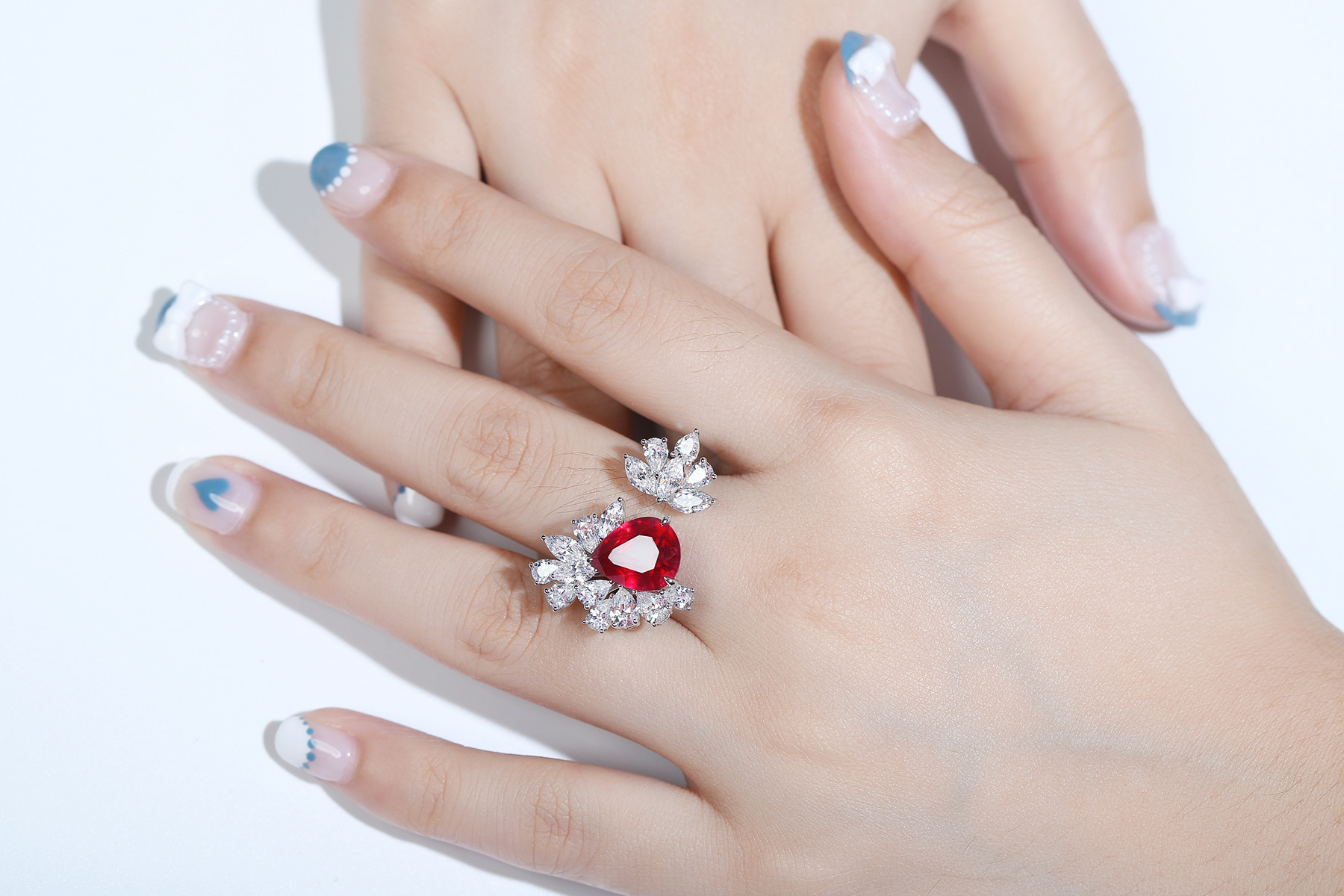
Lab grown diamonds have become a popular choice for engagement rings, wedding jewelry, earrings, and other pieces designed for everyday wear. They offer the same fundamental diamond characteristics that buyers expect from natural diamonds, including exceptional hardness and strong resistance to scratching.
However, one question often comes up when choosing a lab grown diamond: Can lab grown diamonds chip easily?
The answer is that lab grown diamonds are not especially easy to chip, but no diamond is completely immune to damage. A sufficiently hard impact can cause a diamond to chip, particularly around thin edges, pointed corners, or other vulnerable areas. The risk depends less on whether a diamond was grown in a laboratory and more on its shape, cut, clarity characteristics, setting, and how it is worn.
Understanding these factors can help buyers select a durable lab grown diamond and reduce the likelihood of accidental damage.
Yes, lab grown diamonds can chip, but ordinary daily wear does not normally cause them to chip.
A lab grown diamond is still diamond material, so it has very high hardness and excellent resistance to everyday scratching. However, hardness is not the same as toughness.
Hardness describes resistance to scratching, while toughness relates more closely to resistance against breaking or fracturing. A diamond can therefore be extremely difficult to scratch while still being capable of chipping when struck with enough force at a vulnerable point.
For example, hitting the edge of a diamond against a hard countertop, metal object, or another rigid surface can create concentrated stress. If the impact reaches a susceptible area, a small piece of the diamond may break away.
This is why the better question is not simply whether lab grown diamonds chip easily, but what makes a particular lab grown diamond more or less vulnerable to chipping.
Generally, being lab grown does not automatically make a diamond more likely to chip.
Lab grown diamonds and natural diamonds are both diamond materials. Their origin is different, but the potential for damage is influenced by the characteristics of the individual stone.
Important factors include:
Diamond shape
Cut proportions
Girdle thickness
Sharp corners or pointed tips
Internal inclusions
Existing fractures
Setting design
Exposure to physical impacts
How frequently the jewelry is worn
Therefore, a well-selected lab grown diamond can be suitable for everyday jewelry, while a poorly protected diamond of either origin may be more vulnerable to accidental damage.
The exceptional hardness of diamond sometimes leads buyers to believe that it is almost impossible to break. In reality, these are different properties.
Diamond is famous for its resistance to scratching. Everyday materials such as dust, household objects, and common jewelry surfaces generally do not easily scratch a diamond.
But a strong impact is a different type of stress.
A concentrated blow can travel through the crystal and cause a fracture or chip. The exact location of the impact matters. An exposed corner or thin edge can be more vulnerable than a broad, rounded surface.
This distinction explains why lab grown diamond durability should not be judged by hardness alone.
Diamond shape can have a meaningful effect on chipping risk.
Some shapes have rounded outlines, while others contain sharp corners or pointed tips that may be more exposed during everyday wear.
Round brilliant diamonds do not have sharp corners, making them a practical choice for frequent wear.
Their rounded outline reduces the number of exposed points that can receive a direct impact. A round diamond can still chip under severe conditions, but its shape generally avoids some of the vulnerabilities associated with pointed designs.
Princess cuts have four distinctive corners. These corners can be more exposed to impact than the rounded edge of a round diamond.
If you choose a princess cut lab grown diamond for an engagement ring, corner protection from the setting deserves particular attention.
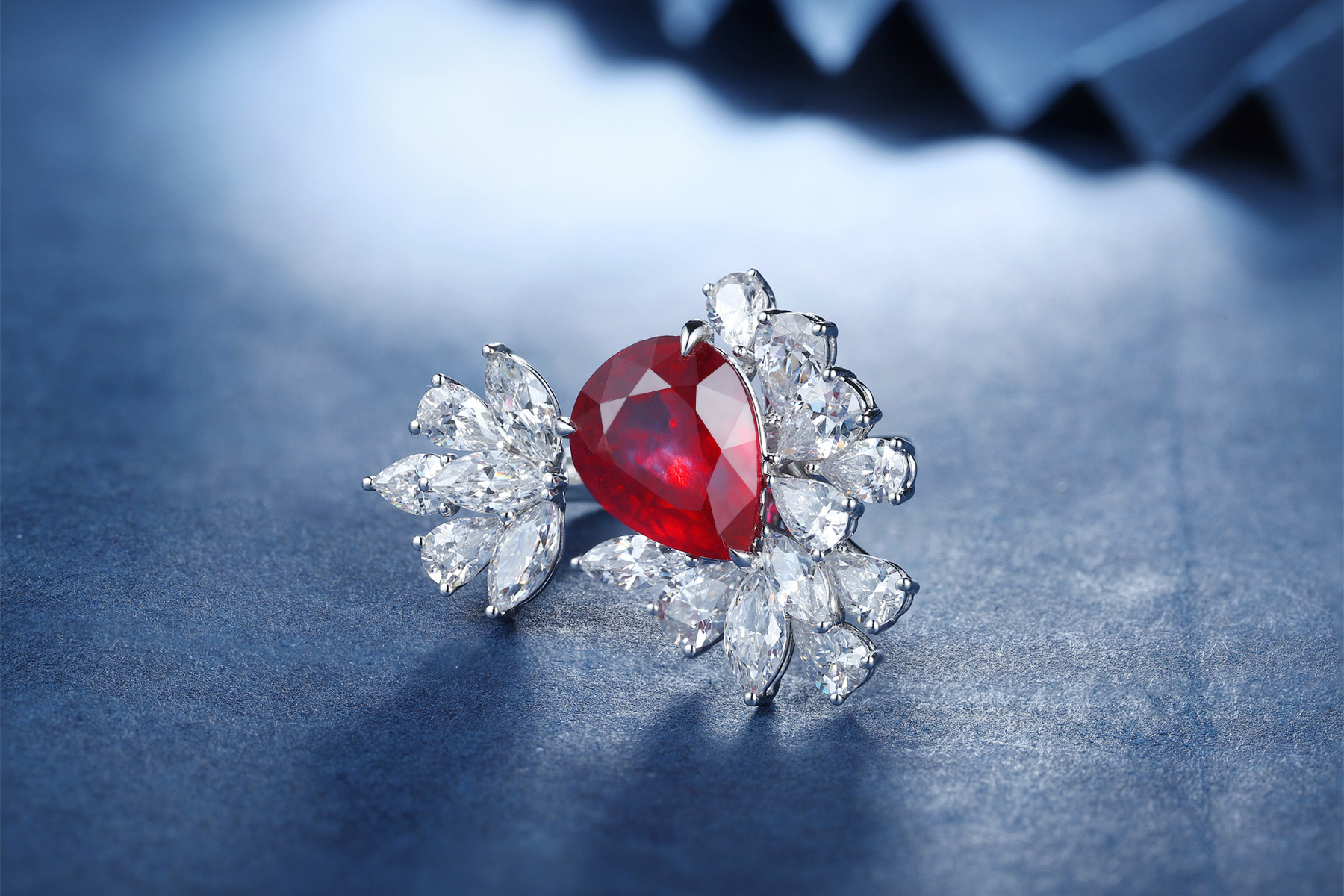
Pear-shaped diamonds have a pointed tip that can be vulnerable if it is not adequately protected.
A well-designed setting can help shield this area. Buyers considering a pear-shaped lab diamond for everyday wear should pay close attention to how the tip is secured.
Marquise diamonds have two pointed ends. These tips create an elegant, elongated appearance but also require careful protection.
A secure setting can reduce the chance of direct impact against the pointed ends.
Oval and cushion shapes generally have rounded edges and fewer exposed sharp points.
This can make them attractive options for buyers who want a larger-looking diamond while maintaining a practical design for everyday use.
Emerald and Asscher cuts have prominent step-cut facets and defined corners. Their corners should be adequately protected when the stone is used in jewelry intended for frequent wear.
Their broad, open facets can also make certain types of damage more noticeable.
The girdle is the outer edge of a diamond and plays an important role in the stone's overall structure.
An extremely thin girdle can create a more vulnerable area because there is less diamond material along the edge. A direct impact against that area can potentially result in a chip.
This does not mean that every diamond with a thin girdle will chip. Girdle thickness should be evaluated together with the diamond's shape, cut, setting, and intended use.
When choosing a lab grown diamond for an engagement ring, it is useful to look beyond carat weight and color and consider the condition and design of the diamond's perimeter.
Internal characteristics can also be relevant when evaluating the durability of a lab grown diamond.
Not every inclusion represents a structural concern. Many inclusions are small and have little practical effect on the stone's durability.
However, fractures, cavities, or inclusions that reach toward the surface may deserve closer examination.
This is particularly relevant when comparing lower-clarity lab grown diamonds. Instead of assuming that a certain clarity grade automatically means a diamond is fragile, buyers should consider the type, size, and location of the inclusion.
A grading report can provide useful information, while professional inspection can offer additional reassurance when a particular feature raises concerns.
Yes. The jewelry setting can provide important protection.
A diamond mounted in a secure setting is less exposed than a loose stone. This is particularly valuable for diamonds with pointed corners or tips.
Depending on the design:
Prongs can protect specific corners or tips.
Bezel settings can surround and shield much of the diamond's perimeter.
Halo settings can provide additional framing around the center stone.
Protective corner designs can reduce direct exposure to impacts.
For a pointed pear or marquise diamond, for example, the quality of the setting can be just as important as the diamond's own characteristics when considering everyday durability.
Most lab grown diamonds can handle normal daily wear, but everyday wear does not mean that a ring should be exposed to every type of physical activity.
Higher-risk situations may include:
Heavy lifting
Contact sports
Manual labor
Home renovation
Using hand tools
Moving heavy objects
Repeatedly hitting hard surfaces
Activities where a ring can catch on equipment
Removing a ring during these activities can help protect both the diamond and the setting.
For ordinary activities such as working at a desk, shopping, dining, or attending social events, a properly selected and securely mounted lab grown diamond can generally be worn confidently.
There is no way to make a diamond completely chip-proof, but practical precautions can significantly reduce unnecessary risk.
If durability is a priority, consider shapes with fewer exposed points and corners.
Round, oval, and cushion diamonds can be practical choices for buyers who want a stone that is easier to protect during everyday wear.
This does not mean pointed shapes are unsuitable. Pear and marquise diamonds can be excellent engagement-ring choices when their vulnerable tips are properly protected.
When reviewing a lab grown diamond, consider the girdle rather than focusing exclusively on carat weight and visual size.
An extremely thin edge may require more careful handling, especially when combined with an exposed shape.
A secure setting can help shield vulnerable portions of a diamond.
Ask the jeweler how the setting protects corners, tips, and edges before purchasing an engagement ring intended for continuous wear.
Taking off your ring before sports, construction, heavy lifting, or manual work is one of the simplest ways to reduce the risk of an accidental chip.
A loose prong or damaged setting can leave the diamond more exposed.
Periodic professional inspections can identify loose prongs, worn metal, or other problems before they become serious.
If you believe your lab grown diamond has chipped, stop wearing the jewelry until it can be examined.
A professional jeweler can determine whether the visible mark is actually a chip and assess:
The size of the damaged area
The location of the chip
Whether the damage extends into the stone
Whether the setting has also been affected
Whether the diamond remains secure
Whether repolishing, recutting, or replacement is appropriate
Not every unusual mark is necessarily a chip. A surface deposit, reflection, existing inclusion, or damage to the surrounding metal can sometimes look similar.
Professional inspection is therefore preferable to making a repair decision based solely on visual examination.
Depending on the severity and location of the damage, a chipped lab grown diamond may sometimes be repaired through professional repolishing or recutting.
Minor damage may be reduced through repolishing, although this removes a small amount of material and can change the diamond's dimensions.
More substantial damage may require recutting or replacement.
The best solution depends on the stone's shape, size, location of the damage, and overall value. A qualified jeweler or diamond professional can explain the available options after examining the stone.
CVD and HPHT are two major methods used to produce lab grown diamonds.
However, buyers should not assume that CVD diamonds are automatically more resistant to chipping than HPHT diamonds, or vice versa.
When considering CVD vs HPHT lab diamond durability, the individual diamond's characteristics remain important. Cut, clarity, proportions, edge condition, and setting can have a greater practical impact on chipping risk than simply knowing which growth method was used.
For this reason, buyers should evaluate the complete diamond rather than treating the growth method as a simple durability ranking.
One common misconception is that natural diamonds are inherently more resistant to chipping because they formed naturally.
That is not a reliable way to evaluate durability.
Both lab grown and natural diamonds can chip under sufficiently strong impact. The risk depends heavily on the characteristics of the individual stone.
| Factor | Lab Grown Diamond | Natural Diamond |
|---|---|---|
| Material | Diamond | Diamond |
| Scratch resistance | Extremely high | Extremely high |
| Can chip? | Yes | Yes |
| Shape affects risk | Yes | Yes |
| Girdle can matter | Yes | Yes |
| Inclusions can matter | Yes | Yes |
| Setting affects protection | Yes | Yes |
| Suitable for everyday jewelry | Yes | Yes |
The more meaningful comparison is between two specific diamonds rather than simply comparing their origins.
Yes. A properly selected lab grown diamond can be an excellent option for an engagement ring.
The key is to consider durability as part of the entire jewelry design.
Before purchasing, evaluate:
Shape — Consider whether the diamond has vulnerable points or corners.
Cut — Look for balanced proportions and good overall construction.
Girdle — Pay attention to the condition and thickness of the outer edge.
Clarity — Examine the type and location of significant inclusions.
Setting — Make sure vulnerable areas are adequately protected.
Lifestyle — Consider how and where the ring will be worn.
Maintenance — Plan for periodic inspections of the setting.
This approach provides a more realistic picture of lab grown diamond durability than simply asking whether laboratory-created diamonds are strong enough for daily use.
High hardness means excellent scratch resistance. It does not mean complete resistance to impact damage.
A diamond's laboratory origin does not automatically make it weak. The individual stone's characteristics matter.
Not necessarily. A sufficiently strong impact can damage even a high-quality diamond.
Diamonds of different sizes can chip. Shape, edge exposure, inclusions, setting design, and impact are more relevant factors.
Not necessarily. Depending on the damage, professional repolishing or recutting may be possible.
Before purchasing a lab grown diamond for an engagement ring or other everyday jewelry, ask:
Is the diamond's shape suitable for my lifestyle?
Does it have exposed corners or pointed tips?
How is the girdle described?
Are there inclusions close to the surface or edge?
Is the stone securely protected by the setting?
Are the prongs properly positioned?
Would a bezel or other protective setting be appropriate?
Does the diamond have an independent grading report?
What care does the jeweler recommend?
What should I do if the stone is accidentally damaged?
These questions can help you choose a durable lab grown diamond for everyday wear without unnecessarily worrying about normal use.
So, can lab grown diamonds chip easily?
No. Lab grown diamonds are not generally easy to chip during normal everyday wear. However, they are not indestructible. Like natural diamonds, they can suffer chips when exposed to strong impacts, especially around thin girdles, sharp corners, pointed tips, or other vulnerable areas.
The most important factors are not simply whether the diamond is lab grown or natural. Shape, cut, clarity characteristics, girdle condition, setting design, and lifestyle all influence practical durability.
For buyers looking for a long-lasting engagement ring, the best strategy is to choose a well-cut lab grown diamond, use a secure setting, protect exposed corners and tips, and remove the jewelry during high-impact activities.
With sensible selection and care, a lab grown diamond can provide the combination of brilliance, durability, and everyday practicality that many modern jewelry buyers are looking for.









