
购物车
您的购物车还没有商品!
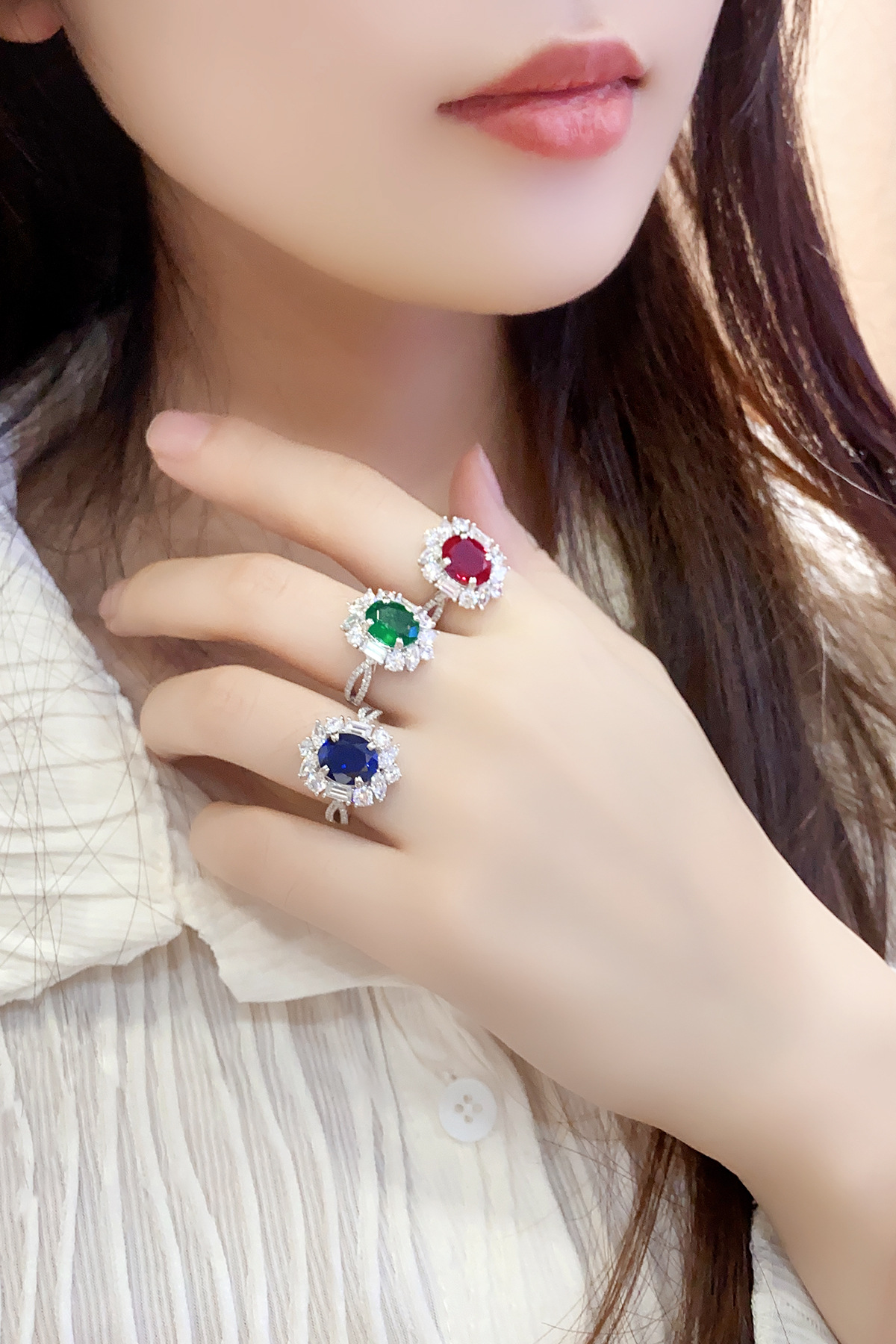
When shopping for moissanite, buyers often compare stones by color, cut, clarity, and size. One question that receives less attention is whether the depth or darkness of a moissanite's color affects its stability.
Are darker moissanite stones more stable than near-colorless stones? Does a deeper color mean the gemstone is less likely to change appearance over time? And if a moissanite has a gray, green, blue, or other darker tone, does that make it more durable?
In most cases, a darker-looking moissanite is not automatically more stable simply because it has a deeper color. Color and physical durability are separate characteristics. A moissanite's ability to withstand everyday wear depends much more on its material quality, crystal structure, cut, treatments, and the way the stone is handled than on how dark it looks.
However, darker moissanite can behave differently visually under various lighting conditions, and some colored stones may involve treatments that buyers should understand before purchasing.
Before comparing darker and lighter stones, it is important to define what gemstone stability actually means.
When buyers ask whether a moissanite is stable, they may be referring to several different things:
Color stability — whether the stone maintains its original color.
Physical durability — whether it resists scratching, chipping, and damage.
Heat stability — how the gemstone responds to elevated temperatures.
UV stability — whether exposure to ultraviolet light affects its appearance.
Treatment stability — whether an applied color or surface treatment remains consistent.
Optical stability — whether the gemstone continues to display similar brilliance and fire.
These characteristics should not be treated as one single measurement.
A dark moissanite may have excellent physical durability while still requiring additional attention if its color comes from a treatment. Likewise, a nearly colorless moissanite can be physically durable while showing different visual characteristics under different lighting.
Generally, no.
The color of a moissanite does not by itself determine how resistant the gemstone is to scratches, impact, or everyday wear.
A darker moissanite and a near-colorless moissanite can both be made from the same basic moissanite material. If they have comparable quality and construction, their fundamental physical durability can be similar.
This means buyers should not assume:
Darker = harder
Darker = stronger
Darker = more durable
Color depth is primarily an appearance characteristic, while durability is related to the gemstone's physical properties and construction.
For an engagement ring or everyday jewelry piece, cut quality, stone integrity, setting security, and proper care are much more important factors than whether the moissanite looks dark or light.
There is one reason darker stones can sometimes appear more stable: color variation may be less noticeable.
A deeper-colored moissanite has a stronger visual identity. Small changes in lighting may not be as obvious because the stone already has a pronounced body color.
For example, a gray moissanite may appear:
Darker under certain indoor lighting
Lighter in direct daylight
More saturated under focused illumination
More transparent when viewed from certain angles
These differences do not necessarily indicate that the gemstone itself has changed.
The same principle applies to many colored gemstones. A difference in illumination can alter perceived saturation, brightness, and contrast without causing permanent material changes.
Comparing a darker moissanite with a near-colorless stone can help clarify the issue.
| Characteristic | Darker Moissanite | Near-Colorless Moissanite |
|---|---|---|
| Body color | More noticeable | Minimal or subtle |
| Visual changes under lighting | May appear more or less saturated | Brightness and warmth may be more noticeable |
| Physical durability | Not determined by color alone | Not determined by color alone |
| Scratch resistance | Generally related to moissanite material | Generally related to moissanite material |
| Color stability | Depends on material and treatment | Depends on material and treatment |
| Appearance | More dramatic and distinctive | More diamond-like and neutral |
| Everyday wear | Can be suitable with proper care | Can be suitable with proper care |
| Treatment considerations | Important for some colored stones | Usually less relevant for standard colorless stones |
The table illustrates an important point: color alone is not a reliable measure of gemstone stability.
Not necessarily.
A darker color does not automatically make a stone more resistant to color change. What matters is why the stone has that color in the first place.
There are several possible explanations for a moissanite's color, including the material's inherent characteristics and, depending on the stone, specialized treatments.
If you are purchasing a strongly colored moissanite, ask the seller what produces the color.
Useful questions include:
Is the color inherent to the moissanite material?
Has the stone been treated?
Is the color stable under normal sunlight?
Is the stone resistant to normal UV exposure?
Are there heat-related care restrictions?
Is the stone suitable for everyday jewelry?
Does the manufacturer provide treatment information?
These questions are more meaningful than simply asking whether the stone is dark or light.
Gray moissanite is a good example of why color and stability should be considered separately.
Gray stones can range from light silver-gray to deep charcoal tones. Their appearance can change significantly depending on the lighting environment.
Under bright daylight, a gray moissanite may show:
Stronger brilliance
More visible facet contrast
White flashes
Colorful fire
A lighter overall appearance
Under dimmer or warmer lighting, the same stone may appear deeper or more saturated.
This does not necessarily indicate a change in the gemstone's physical stability.
For buyers interested in dark gray moissanite, comparing photographs under different lighting conditions or requesting a video can be particularly helpful.
Black or very dark moissanite should not automatically be considered more stable than lighter varieties.
A dark appearance can result from different material or manufacturing characteristics, so the stone should be evaluated individually.
The important questions are:
How was the color produced?
Is the color permanent under normal use?
Has the stone received any treatment?
Are there special care instructions?
Is the stone appropriate for daily wear?
A reputable supplier should be able to explain the stone's color origin and recommended care.
A dark stone that has a stable color treatment may perform very well in jewelry, while another dark-looking stone may require more careful handling. Color depth alone cannot tell you the difference.
There is no general rule that darker moissanite is more resistant to sunlight.
For standard moissanite, ordinary sunlight exposure is not generally expected to cause the gemstone to simply fade. However, colored or treated stones should be evaluated according to their specific construction and treatment.
This distinction is particularly important when comparing:
Standard near-colorless moissanite
Gray moissanite
Black moissanite
Blue moissanite
Green moissanite
Pink moissanite
Other strongly colored varieties
If a supplier cannot clearly explain the color stability of a heavily treated stone, buyers should request additional information before purchasing.
UV light can make certain gemstones display temporary fluorescence or other optical effects. A darker moissanite may also appear different under ultraviolet or blacklight conditions.
However, a temporary visual response under UV light is not the same as permanent fading.
If you notice that a moissanite looks different under blacklight, compare it again under ordinary daylight after the UV exposure. If the stone returns to its normal appearance, the effect was likely related to the lighting environment rather than a permanent color change.
For unusual or treated colors, it is still sensible to follow the manufacturer's specific care recommendations.
Cut quality does not necessarily determine the chemical stability of the gemstone, but it has a major effect on how a dark stone looks.
This is especially important because darker colors can make facet patterns and contrast more noticeable.
A well-cut dark moissanite can display:
Strong light return
Clear facet definition
Attractive brilliance
Colorful fire
Balanced contrast
A lively face-up appearance
A poorly proportioned stone may instead look overly dark, sleepy, or uneven.
Therefore, someone shopping for a dark moissanite should not evaluate color alone. Color, cut quality, proportions, symmetry, polish, and transparency should be considered together.
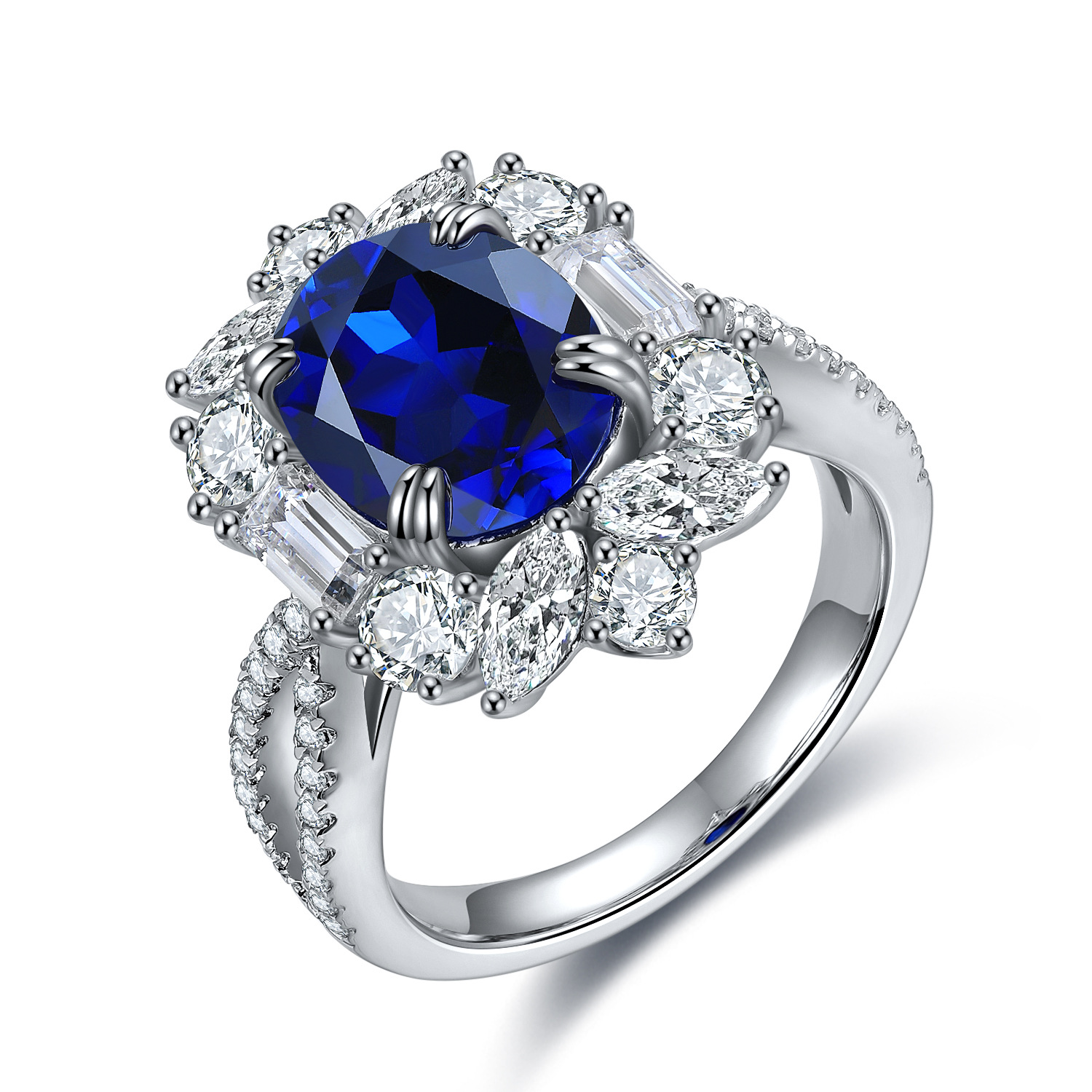
Lighting is one of the biggest sources of confusion when evaluating darker moissanite.
The same gemstone may appear significantly different under:
Bright sunlight can emphasize brilliance and reveal colorful flashes.
Soft daylight may make the body color easier to evaluate because there are fewer harsh reflections.
Warm bulbs can make gray, brown, or other dark colors appear warmer.
Cool lighting may make a stone appear more neutral, gray, or blue-toned.
Focused lighting can dramatically increase visible sparkle and may not represent how the stone looks in ordinary surroundings.
For this reason, buyers should avoid judging a dark moissanite from a single photograph.
A darker moissanite can be an excellent choice for everyday jewelry if its material quality and color stability are appropriate for the intended use.
The advantage is primarily aesthetic.
Dark moissanite can provide a distinctive alternative to traditional colorless gemstones. It works particularly well in:
Modern engagement rings
Men's rings
Alternative wedding bands
Statement rings
Pendant designs
Fashion jewelry
Vintage-inspired settings
Black-and-white jewelry combinations
Because darker stones create stronger contrast, they can also pair especially well with bright metal settings.
However, everyday suitability should still be evaluated based on the complete jewelry design rather than color alone.
If stability is your priority, use a broader checklist instead of judging the gemstone by its color.
Find out whether the color is inherent, treatment-related, or produced through another manufacturing process.
Look for good symmetry, balanced proportions, clean facet patterns, and strong light performance.
A high-quality polish can make a major difference in how a dark gemstone reflects light.
Ask to see the stone in natural daylight, indoor lighting, and, when relevant, other lighting conditions.
If the stone is colored or treated, ask whether the color is suitable for prolonged everyday wear.
A stable gemstone can still be vulnerable to damage if the setting does not protect it adequately.
Consistent manufacturing and inspection can be especially important when purchasing multiple stones for matching jewelry.
One of the most common mistakes is assuming that a darker gemstone is automatically higher quality.
In reality, color preference is subjective.
Some buyers want a deep charcoal appearance, while others prefer a lighter smoky gray. Some want strong contrast, while others want maximum brilliance.
A darker stone can also appear smaller or less lively if its body color is extremely saturated and its cut does not provide enough light return.
Therefore, the ideal moissanite is not necessarily the darkest one available. It is the stone that provides the right combination of color, cut, clarity, brilliance, proportions, and stability for the intended jewelry design.
Before purchasing, consider these questions:
Is the stone naturally colored or treated?
Is the color known to remain stable during normal wear?
Is it suitable for sunlight exposure?
Are there special UV precautions?
Can the stone tolerate normal jewelry cleaning?
Is the cut optimized for its darker body color?
Does it show attractive brilliance rather than looking overly dark?
Is the stone symmetrical?
Is the polish clean and consistent?
Does the supplier provide clear product information?
Can you see the stone under multiple lighting conditions?
This checklist provides a much more reliable assessment than simply asking whether a moissanite is dark.
Not automatically. A darker color does not by itself make moissanite physically stronger or more resistant to color change. Stability depends on the material, manufacturing process, treatment, and care requirements.
Standard moissanite is generally considered color stable under normal conditions. For colored or treated stones, ask the supplier specifically about color-treatment stability.
Not simply because it is black. Color does not by itself determine durability. The quality and construction of the gemstone are more important.
A gray moissanite may look lighter, darker, warmer, or cooler depending on the lighting, but a change in appearance does not necessarily mean the stone has permanently changed color.
Yes. Dark moissanite can be an attractive and distinctive engagement-ring center stone. Choose a well-cut stone and confirm its color stability if it has been treated.
Normal UV exposure is not generally expected to damage standard moissanite. However, specialized or treated colored stones should be evaluated according to the manufacturer's care instructions.
Lower lighting levels can reduce visible light return, making a dark stone appear deeper or more opaque. Stronger daylight may reveal more brilliance and facet detail.
So, are darker moissanite stones more stable? Not necessarily.
The depth of a moissanite's color does not automatically determine its physical durability, resistance to scratching, or ability to maintain its color. A dark moissanite can be just as suitable for everyday jewelry as a lighter stone when it is properly manufactured and cared for.
The more important question is what creates the color and how stable that color is under normal use.
For dark gray, black, blue, green, or other colored moissanite, ask about treatments, sunlight exposure, UV response, and recommended care. At the same time, evaluate cut quality, polish, symmetry, light performance, and setting security.
Ultimately, a darker moissanite should be selected for its combination of stable color, attractive optical performance, quality cutting, and suitability for the intended jewelry design—not simply because it looks darker.









