
购物车
您的购物车还没有商品!
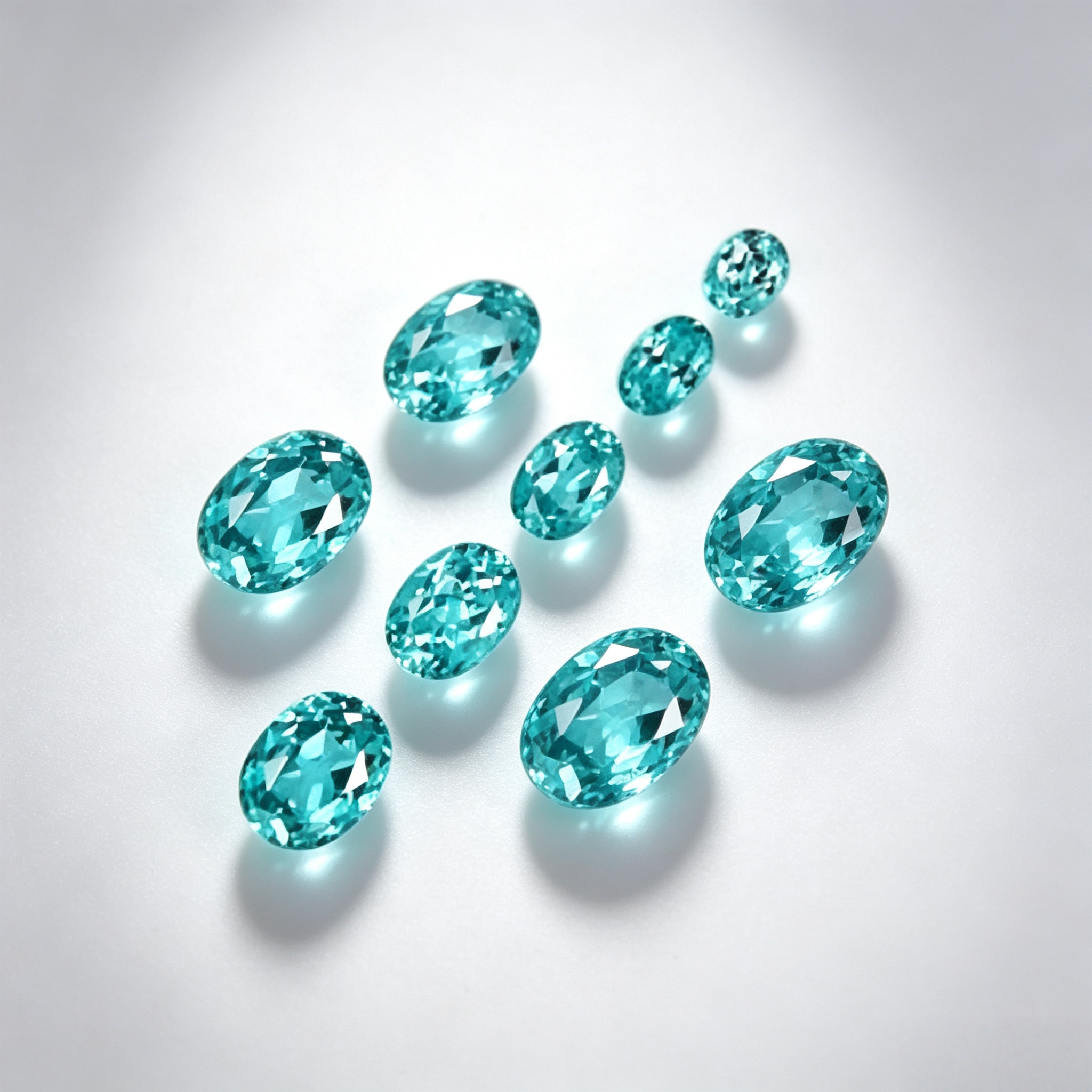
If you are shopping for a diamond in 2026, you have probably noticed a major change in the market: lab-grown diamonds are now widely available alongside natural diamonds, often at very different prices.
So, what is the real difference between lab-grown and natural diamonds? Is one better than the other? And how can you choose the right diamond without overspending?
The answer depends on what matters most to you: origin, budget, appearance, rarity, long-term ownership, or personal meaning.
This guide explains the differences clearly so you can make an informed decision.
The biggest difference is origin.
A natural diamond forms deep inside the Earth over geological timescales under extreme heat and pressure. A lab-grown diamond is produced by technology that recreates conditions under which diamond crystal can form, typically using HPHT (High Pressure High Temperature) or CVD (Chemical Vapor Deposition) methods.
Both are crystalline carbon and can have essentially the same chemical composition and physical properties. A lab-grown diamond is not simply a diamond-like substitute such as cubic zirconia or moissanite.
The key distinction is where the diamond came from.
For most shoppers, the answer is no.
A high-quality lab-grown diamond can have the same visual characteristics people look for in a natural diamond: brilliance, fire, clarity, and a well-cut appearance.
The difference generally cannot be determined reliably just by looking at the stone. Professional gemological testing can identify whether a diamond is laboratory-grown or naturally mined.
That means your choice does not have to be based on appearance alone.
When comparing two diamonds, pay attention to the 4Cs: Cut, Color, Clarity, and Carat Weight. In many cases, cut quality has a particularly noticeable effect on how lively and bright a diamond looks.
Price is one of the biggest reasons consumers consider lab-grown diamonds.
Because lab-grown diamonds can be produced in controlled facilities, their supply is not limited by the geological availability of natural diamond deposits. Market prices therefore tend to differ substantially between comparable lab-grown and natural stones.
However, price varies according to size, cut, color, clarity, certification, retailer, and market conditions.
A lower purchase price does not automatically mean a better deal. Compare diamonds with similar specifications and certificates before making a decision.
For shoppers working with a fixed budget, lab-grown diamonds can make it possible to consider a larger carat size or higher color and clarity grade.
Natural diamonds have a geological history that makes each stone part of Earth's natural mineral record.
Lab-grown diamonds have a different story: their origin is technological rather than geological.
Neither description tells you which diamond will look better to the naked eye. Instead, it reflects what the stone represents to the buyer.
If geological rarity and natural origin are important parts of the purchase, a natural diamond may better match your priorities.
If you care more about appearance, specifications, and upfront cost, a lab-grown diamond may fit your goals.
Yes, but it is important to use precise terminology.
Lab-grown diamonds are diamonds produced in a laboratory rather than extracted from the Earth. They are not the same thing as diamond simulants.
A reputable seller should clearly disclose whether a stone is laboratory-grown or natural. Independent grading reports can also provide important information about the stone's characteristics and origin.
Before purchasing an expensive diamond, ask whether the stone comes with a report from a recognized gemological laboratory and verify that the report matches the stone being sold.
Environmental impact is more complicated than simply saying one category is "green" and the other is "bad."
Natural diamond mining can involve land disturbance, energy use, water use, transportation, and other environmental considerations. Lab-grown production also requires energy, and its environmental footprint can vary depending on the production technology, electricity source, facility, and manufacturing practices.
If sustainability is important to you, look beyond the label.
Ask where the diamond was produced or mined, what disclosures are available, what certifications apply, and whether the seller provides specific information about sourcing and production.
Diamond buyers sometimes assume that a diamond should behave like an investment. That is generally not a safe assumption.
Retail prices and resale prices are different, and the amount a seller originally paid does not guarantee what they can recover later.
Lab-grown diamonds have experienced significant price changes as production technology and market supply have developed. Natural diamonds also vary considerably in resale performance depending on quality, brand, market conditions, and buyer demand.
If your primary goal is an engagement ring or personal jewelry, it is usually more useful to focus first on what you value in the diamond rather than assuming future resale will produce a particular return.
There is no universal answer.
Consider a lab-grown diamond if you prioritize:
A lower upfront price
More carat size within a fixed budget
High color and clarity specifications for your money
A diamond with laboratory origin
Consider a natural diamond if you prioritize:
Geological origin
Natural rarity
The traditional diamond story
A stone formed naturally over geological time
For either option, compare the actual stone—not just the category.
A well-cut diamond with attractive proportions can be more visually impressive than a larger diamond with weaker cut quality.
Before you place an order, ask:
Is the diamond natural or lab-grown?
Which grading laboratory issued the report?
What are the exact 4Cs?
Is the certificate number verifiable?
Are the dimensions and proportions suitable for the setting?
What is the retailer's return or exchange policy?
What exactly is included in the advertised price?
These questions can help you avoid comparing diamonds based on marketing language alone.
The natural-versus-lab-grown diamond debate is ultimately about more than chemistry.
Both options can offer beautiful diamonds, but they represent different origins, price structures, and buying experiences.
For many shoppers, the most practical approach is to set a budget first, decide which characteristics matter most, compare certified stones, and then evaluate the total value rather than focusing only on carat size.
Whether you choose a natural diamond or a lab-grown diamond, understanding the differences gives you something more valuable than a sales pitch: the ability to buy with confidence.
Are lab-grown diamonds cheaper than natural diamonds?
Generally, comparable lab-grown diamonds are sold at lower prices than natural diamonds, although exact pricing varies by specifications and market conditions.
Can a jeweler tell if a diamond is lab-grown?
Specialized gemological equipment and grading reports can identify laboratory-grown diamonds. Visual inspection alone is not a reliable way to determine origin.
Do lab-grown diamonds have the same physical properties as natural diamonds?
Lab-grown diamonds are diamond material with essentially the same fundamental chemical composition and crystal structure as natural diamonds, although growth characteristics and inclusions can differ.
Which diamond is better for an engagement ring?
That depends on your priorities. Consider budget, appearance, origin, rarity, certification, and personal preference rather than assuming one category is universally better.
Should I buy a certified diamond?
For a significant purchase, an independent grading report can provide useful documentation of a diamond's characteristics and help you compare stones more confidently.









