
购物车
您的购物车还没有商品!
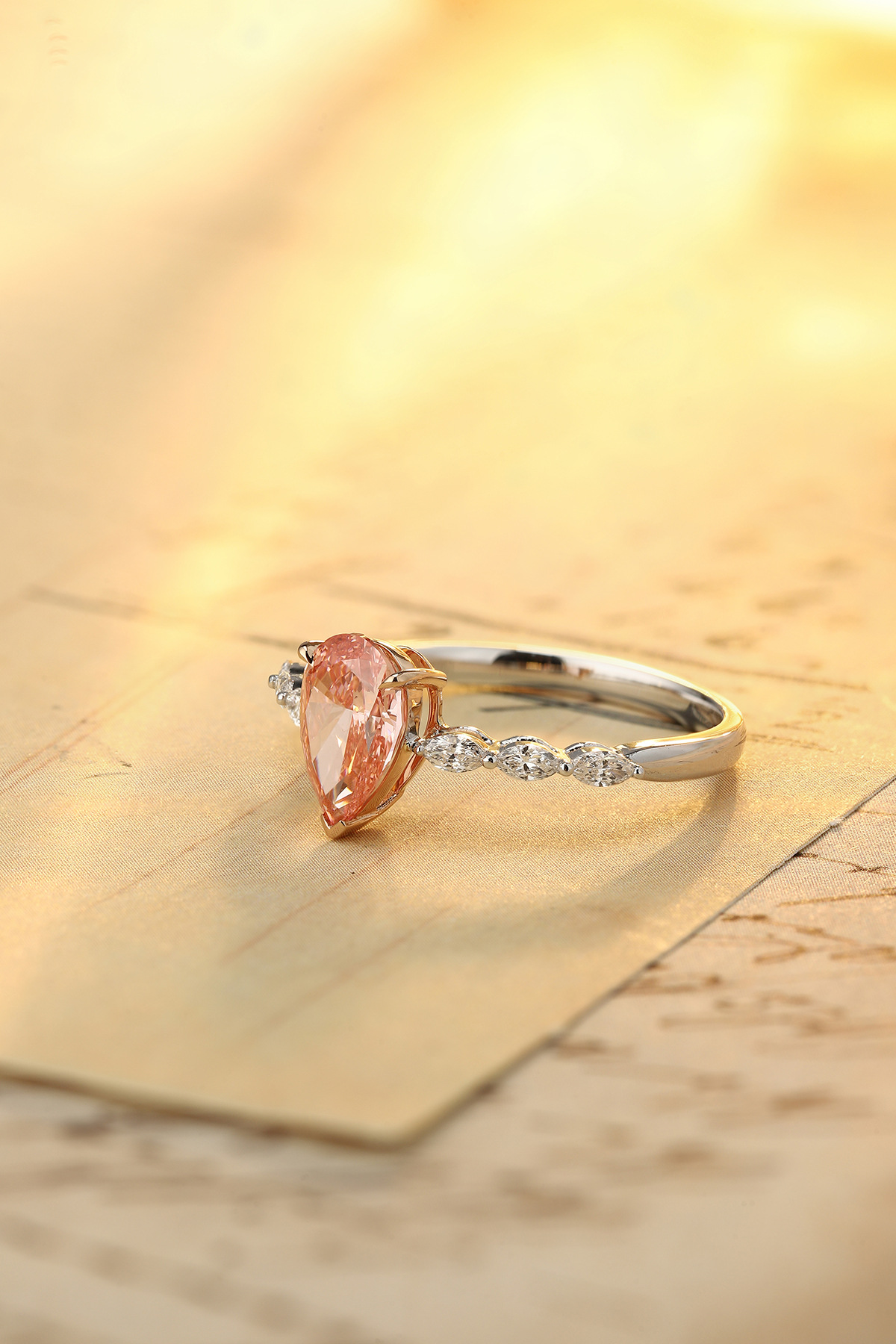
Yes, lab grown diamonds can have inclusions. Although they are created in a controlled laboratory environment rather than formed naturally deep inside the Earth, they are still diamonds with the same basic crystal structure and can contain internal characteristics and surface features.
For shoppers comparing laboratory-grown diamonds, understanding inclusions is important because clarity affects appearance, grading, price, and the overall visual quality of the stone. A lab grown diamond does not need to be completely inclusion-free to look beautiful. In many cases, a well-selected diamond with good clarity can appear clean to the naked eye while offering better value than a diamond with an extremely high clarity grade.
An inclusion is an internal characteristic located within a diamond. These features can develop as the diamond crystal grows and may vary in size, position, shape, and visibility.
Common diamond inclusions can include:
Small crystals or mineral-like particles
Pinpoint inclusions
Clouds
Feathers
Needles
Internal graining
Small cavities or other internal characteristics
A diamond may contain one type of inclusion or several characteristics at different locations.
When gemologists evaluate a diamond's clarity, they consider factors such as the size, number, position, nature, and visibility of these characteristics under standardized examination conditions.
This means that simply knowing a diamond has inclusions does not tell you whether it is a good or poor-quality stone.
Not necessarily.
Because natural and lab grown diamonds form under different conditions, their internal characteristics can differ. Lab grown diamond inclusions may reflect the particular growth method used to create the stone.
The two major laboratory growth methods are CVD (Chemical Vapor Deposition) and HPHT (High Pressure High Temperature). Each method creates diamonds through a different growth process, so the resulting internal characteristics can have different appearances.
For example, a CVD lab diamond may display growth-related characteristics associated with the layered growth process. HPHT diamonds can have their own characteristic internal features related to the high-pressure, high-temperature environment used during growth.
This is one reason a professional grading report can be useful when buying a lab grown diamond. The report provides information about the diamond's clarity and other grading characteristics rather than requiring a buyer to judge the stone solely from a product photograph.
Yes. Inclusions are not automatically a sign that a lab grown diamond is defective.
A diamond can have minor inclusions and still be highly attractive, durable, and suitable for everyday jewelry. In fact, many diamonds purchased for engagement rings and other fine jewelry contain clarity characteristics that are difficult or impossible to see without magnification.
The key question is not simply:
“Does this lab grown diamond have inclusions?”
A better question is:
“Are the inclusions visible, distracting, or potentially significant to the diamond's appearance and structure?”
That distinction is particularly important when comparing lab grown diamonds at different clarity grades.
Lab grown diamonds are commonly evaluated using the familiar diamond clarity scale.
The traditional clarity categories include:
| Clarity Grade | General Description |
|---|---|
| FL | Flawless; no inclusions or blemishes visible under the specified grading conditions |
| IF | Internally Flawless; no internal inclusions visible under the specified conditions |
| VVS1/VVS2 | Very, Very Slightly Included; inclusions are difficult to see under magnification |
| VS1/VS2 | Very Slightly Included; minor inclusions that may be difficult to locate |
| SI1/SI2 | Slightly Included; inclusions are more noticeable under magnification and may sometimes be visible without it |
| I1/I2/I3 | Included; inclusions are generally more apparent and may affect appearance or durability depending on their nature |
Exact grading descriptions should always be confirmed on the individual laboratory grading report.
Importantly, a higher clarity grade does not automatically mean that a diamond will look dramatically better to the naked eye.
Sometimes, but not always.
Whether inclusions are visible depends on several factors, including:
Clarity grade
Inclusion size
Inclusion location
Inclusion type
Diamond shape
Facet pattern
Diamond size
Lighting conditions
Viewing distance
A small inclusion positioned beneath a facet may be difficult to notice, while a similar inclusion located directly under the table may be much easier to see.
This is why two lab grown diamonds with the same clarity grade can have noticeably different visual appearances.
The term eye-clean is useful when shopping for a diamond, although it is not a standardized grading category.
An eye-clean lab grown diamond has inclusions that are not readily visible to the unaided eye from a normal viewing distance.
For many buyers, an eye-clean diamond can provide an excellent balance between visual quality and price.
Instead of automatically choosing the highest possible clarity grade, shoppers can compare diamonds to determine whether the inclusions actually affect the appearance.
Not necessarily.
Most ordinary clarity characteristics do not automatically make a lab grown diamond fragile. Diamonds are extremely hard materials and are highly resistant to scratching.
However, hardness and toughness are not the same thing.
Certain inclusions or structural characteristics may deserve closer attention, particularly if they reach the surface or are positioned in a vulnerable part of the stone. A large feather near a sharp corner, for example, may deserve more consideration than a tiny inclusion located deep inside the diamond.
The shape of the diamond also matters. Pointed shapes such as pear, marquise, and princess cuts can have areas that require additional protection from impact.
For an engagement ring or another piece intended for daily wear, clarity should therefore be considered together with the diamond's shape, cut, setting, and lifestyle requirements.
They can be.
CVD and HPHT diamonds grow through different processes, and these processes can produce different types and patterns of internal characteristics.
CVD diamonds are grown from carbon-containing gases in a controlled chamber. Their growth process can produce characteristic internal features associated with the way the diamond develops in layers.
HPHT diamonds are created under extremely high pressure and temperature conditions. Their growth environment can result in different characteristic inclusions or growth features.
However, it would be misleading to say that one growth method always produces better clarity.
A CVD vs. HPHT lab diamond clarity comparison should be based on the individual stone rather than assuming one technology automatically produces a cleaner diamond.
Yes, provided the inclusions meet your requirements.
For many buyers, the best choice is not the diamond with the highest clarity grade but the diamond that provides the best combination of appearance, cut quality, size, color, clarity, and price.
For example, a VS2 or SI1 lab grown diamond may appear completely clean to the naked eye while costing considerably less than a VVS or internally flawless diamond.
The money saved on clarity could potentially be used toward:
A better cut
A larger carat weight
A preferred color grade
A more elaborate setting
Higher-quality accent stones
Custom jewelry design
The ideal balance depends on your priorities.
When comparing lab grown diamonds, do not rely exclusively on the clarity grade shown in a product listing.
Look at the actual stone whenever possible.
An inclusion close to the edge may be less noticeable than one directly beneath the table. Location can significantly affect visual appearance.
Different characteristics have different visual and structural implications. A small pinpoint and a prominent surface-reaching feature should not automatically be treated as equivalent.
High-resolution photographs or videos can help reveal the actual inclusion pattern.
However, remember that magnification makes inclusions look much larger than they appear during normal viewing.
The most important question for many buyers is how the diamond looks when viewed normally.
A diamond can have a relatively modest clarity grade while still appearing bright and clean.
A reputable grading report can provide information about clarity and may include an inclusion plot or other identifying details, depending on the report.
This makes it easier to compare the listed characteristics with the actual diamond.
Not always.
Higher clarity generally means fewer or less noticeable clarity characteristics under grading conditions. But diamond quality is not determined by clarity alone.
Consider two hypothetical lab grown diamonds:
| Diamond | Color | Clarity | Cut |
|---|---|---|---|
| A | D | VVS1 | Very Good |
| B | G | VS2 | Excellent |
Depending on the specific stones, Diamond B may have stronger visual performance because of its cut, even though its clarity and color grades are lower.
This illustrates why lab grown diamond 4C grading should be considered as a complete picture rather than focusing on a single grade.
For many shoppers, cut quality and eye-clean appearance can be more important than paying a premium for extremely high clarity.
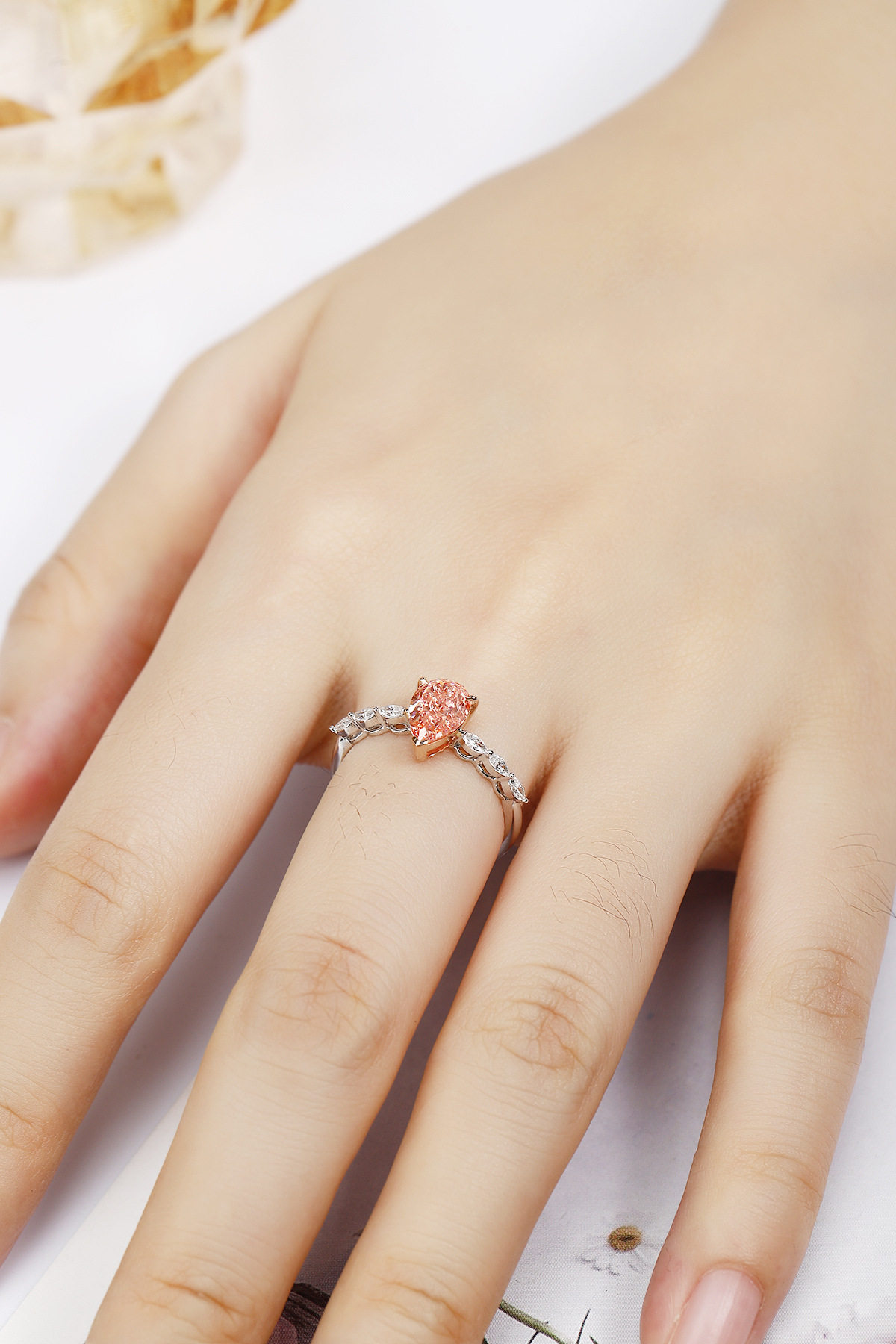
They can, particularly at lower clarity grades or when the inclusion is relatively large or strategically positioned.
However, visibility is highly individual.
A larger stone may make an inclusion easier to see because there is more surface area through which the viewer can observe it. Certain shapes can also make inclusions more or less apparent because of their facet arrangement.
This is why an eye-clean lab grown diamond should ideally be evaluated based on the actual stone rather than assuming that a particular clarity grade guarantees a specific appearance.
Potentially, but cut quality generally plays a major role in a diamond's light performance.
Very prominent inclusions can interfere with the visual appearance of a diamond. However, small inclusions that are difficult to see may have little noticeable effect.
If maximum brilliance is the goal, shoppers should pay close attention to:
Cut quality
Proportions
Symmetry
Polish
Facet arrangement
Transparency
Inclusion visibility
A beautifully cut, eye-clean lab grown diamond can look exceptionally bright even if it is not at the highest clarity grade.
No.
The presence of inclusions is a normal part of evaluating diamond clarity. It does not mean that laboratory-grown diamonds are inferior or unsuitable for fine jewelry.
Instead, inclusions should be evaluated as one component of the overall diamond.
A smart purchasing approach is to compare:
Cut + Color + Clarity + Carat + Measurements + Inclusion Characteristics + Overall Appearance
This broader approach can help buyers find a high-quality lab grown diamond with balanced 4C characteristics rather than paying for a specification that provides little visible benefit.
If your goal is an attractive diamond at a reasonable price, consider the following process:
Start with your preferred shape and approximate size.
Prioritize a strong cut and attractive proportions.
Choose a color range appropriate for the setting and shape.
Compare VS and SI clarity options rather than automatically selecting VVS.
Examine magnified photos or videos.
Check where the inclusions are located.
Confirm the stone's measurements.
Review the laboratory grading report.
Compare the actual appearance of several diamonds.
Select the stone that looks clean and bright at normal viewing distance.
This approach can help you find a well-cut, eye-clean lab grown diamond for an engagement ring without unnecessarily paying for microscopic perfection.
So, do lab grown diamonds have inclusions? Yes. Lab grown diamonds can contain internal characteristics just like other diamonds, and those characteristics are part of how their clarity is evaluated.
The presence of an inclusion does not automatically make a lab grown diamond low quality. What matters is the inclusion's type, size, location, visibility, and potential structural significance.
For most buyers, the goal should not necessarily be a completely inclusion-free diamond. Instead, look for a clean-looking, well-cut lab grown diamond with balanced color, clarity, carat weight, and proportions.
Understanding inclusions can make the buying process much easier. Rather than paying solely for the highest clarity grade, you can evaluate the individual stone and choose a diamond that delivers the appearance, durability, and value you actually want.









