
购物车
您的购物车还没有商品!
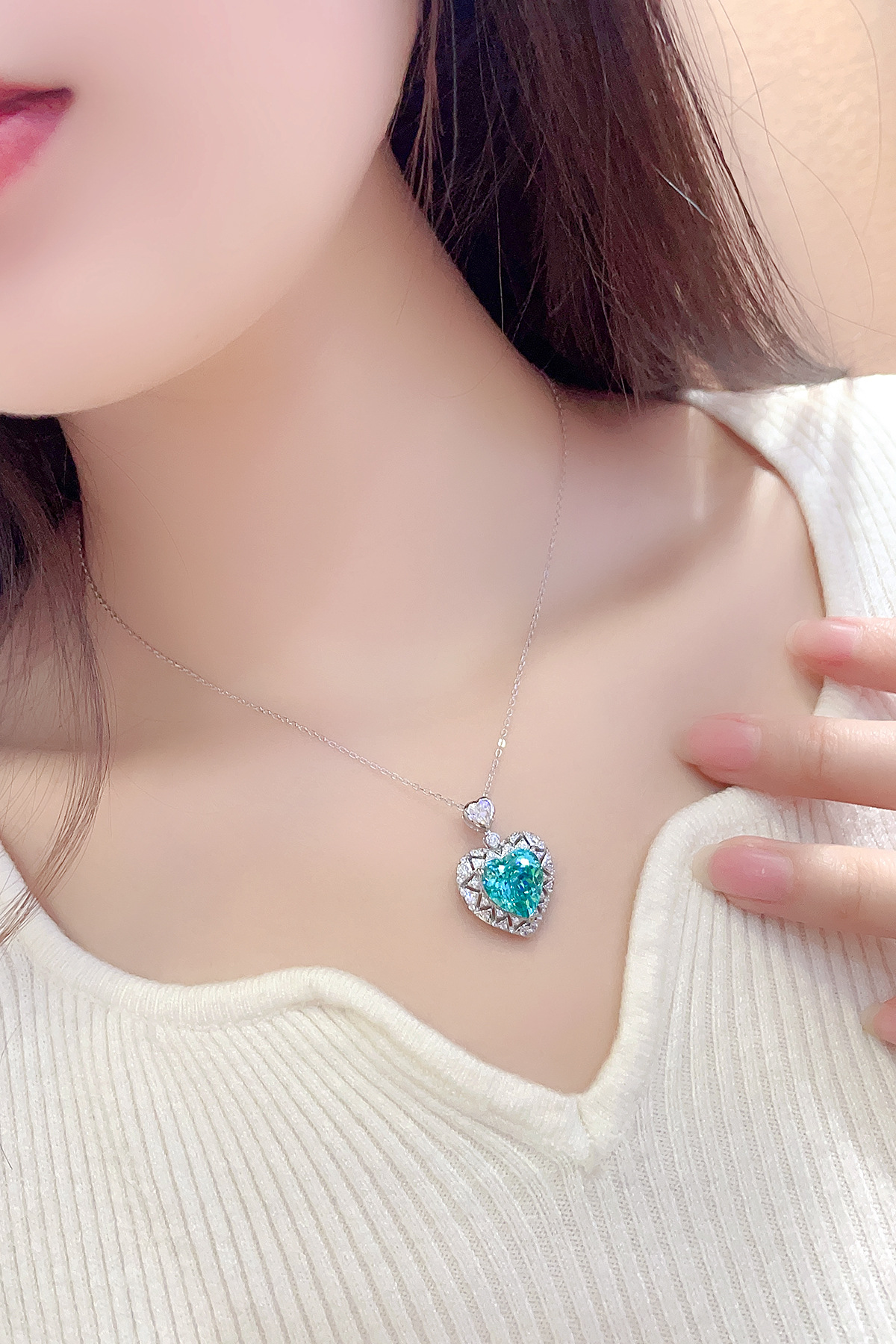
An IGI certified lab grown diamond can be an attractive choice for an engagement ring, wedding band, pendant, earrings, or other fine jewelry. Like any valuable gemstone, however, it benefits from regular cleaning, careful handling, and appropriate storage.
Having an IGI certified lab grown diamond does not mean the stone requires a completely different care routine from other diamonds. The grading report provides information about the diamond's characteristics and laboratory-grown identity, while everyday maintenance is mainly about protecting the stone, its setting, and the surrounding metal.
Whether your jewelry contains a round brilliant lab grown diamond, an oval center stone, a pear-shaped diamond, or a fancy-cut design, good care can help maintain its brilliance and keep the jewelry looking its best.
IGI stands for the International Gemological Institute, a gemological organization that provides grading reports for diamonds and other gemstones.
When a lab grown diamond has an IGI grading report, the report can document characteristics such as:
Carat weight
Color grade
Clarity grade
Cut information where applicable
Measurements
Polish
Symmetry
Fluorescence
Laboratory-grown identification
The exact information depends on the report and diamond.
It is important to understand that IGI certification and jewelry care are two different things. The grading report helps identify and describe the diamond, while proper maintenance helps protect its appearance and setting over time.
Yes. Lab grown diamonds have the fundamental properties of diamond and are highly resistant to scratching.
However, exceptional hardness does not make a diamond completely indestructible.
A diamond can still be damaged by a sufficiently strong impact, particularly around:
Sharp corners
Pointed tips
Thin edges
Vulnerable girdle areas
The setting can also become loose or damaged even when the diamond itself remains intact.
For this reason, proper IGI certified lab grown diamond care should include both cleaning and physical protection.
For jewelry worn regularly, gentle cleaning every one to two weeks can help remove accumulated oils and everyday residue.
The ideal frequency depends on your lifestyle.
A ring worn every day may collect:
Skin oils
Hand lotion
Sunscreen
Soap residue
Makeup
Dust
Hair products
Household product residue
These substances can form a thin film over the diamond and make it appear less brilliant.
Regular cleaning helps restore the stone's natural light performance without requiring aggressive treatment.
A simple home cleaning routine is usually sufficient for routine maintenance.
Mix lukewarm water with a small amount of mild dish soap.
Avoid using harsh household chemicals or abrasive cleaners.
Place the jewelry in the solution for several minutes.
This gives oils and residue time to loosen.
A clean, soft-bristled toothbrush can be used to gently clean around the diamond and setting.
Pay particular attention to areas where residue tends to accumulate, including:
Under the center stone
Around prongs
Between small accent stones
Along the inner surface of the setting
Do not scrub aggressively.
Rinse the jewelry with clean water.
If cleaning near a sink, close the drain or use a bowl so that the jewelry cannot accidentally fall into the plumbing.
Use a clean, lint-free cloth to gently pat the jewelry dry.
Allow it to dry completely before storing it.
An ultrasonic cleaner can be effective for removing stubborn residue, but it should not automatically be considered safe for every piece of diamond jewelry.
The concern is often not the lab grown diamond itself but the setting and existing condition of the jewelry.
Strong ultrasonic vibrations may potentially loosen:
Weak or damaged prongs
Small accent stones
Older settings
Previously repaired jewelry components
If the diamond has significant inclusions, fractures, or other characteristics that concern a professional jeweler, additional caution may also be appropriate.
Before using an ultrasonic cleaner at home, it is sensible to ask a qualified jeweler whether the specific jewelry design is suitable for ultrasonic cleaning.
Professional steam cleaning can be effective for removing oils and residue, but suitability depends on the jewelry.
A modern, securely constructed piece may tolerate professional cleaning well, while an older or damaged setting may require a gentler approach.
If you are uncertain, professional inspection before intensive cleaning is preferable to assuming every piece of diamond jewelry can be treated identically.
Soap itself does not permanently change the diamond's material, but soap residue can accumulate on the stone and make it look dull or cloudy.
The same visual effect can come from:
Lotion
Sunscreen
Cosmetics
Hair products
Natural skin oils
Cooking residue
Dust
In many cases, what appears to be a cloudy lab grown diamond is simply a surface film that is interfering with light entering and leaving the stone.
Gentle cleaning can often restore its brilliance.
Although diamonds are highly resistant to scratching, jewelry can still be damaged through contact with other objects.
Diamonds can scratch softer gemstones and some jewelry materials, while another diamond can potentially scratch a diamond when the stones come into direct contact.
For this reason, avoid storing multiple pieces of jewelry together in a way that allows stones to rub against one another.
Individual compartments or soft-lined jewelry pouches are better choices.
Removing a lab grown diamond ring during strenuous activity is generally a sensible precaution.
Exercise can expose jewelry to:
Repeated impacts
Sweat
Equipment
Hard surfaces
Accidental pressure
Pulling or catching
The primary concern may be the setting rather than the diamond.
A hard impact could bend a prong or loosen the structure holding the stone. Once the setting becomes compromised, the risk of losing or damaging the diamond increases.
Occasional exposure to water is generally not the main concern for a diamond itself.
However, showering while wearing jewelry can expose the setting to soap, shampoo, conditioner, and other residues.
These substances can accumulate around the diamond and make the jewelry look dull.
For that reason, removing a diamond ring before showering can make cleaning easier and reduce unnecessary buildup.
It is generally better to remove diamond jewelry before swimming.
Swimming pools can expose jewelry to chemicals, while outdoor swimming can add sunscreen, saltwater, sand, and other contaminants.
The diamond itself is highly durable, but the jewelry's metal and setting may be affected by repeated exposure to certain environments.
There is also a simple practical risk: a ring can slip off in water and become extremely difficult to recover.
Beach environments present several challenges for fine jewelry.
Sand particles can be abrasive, while sunscreen and saltwater can leave residue on the jewelry.
If you wear an IGI certified lab grown diamond ring to the beach, avoid exposing it unnecessarily to sand and heavy physical activity.
After exposure, rinse the jewelry with clean water and clean it gently with mild soap when appropriate.
For valuable engagement rings, however, leaving the jewelry at home is often the safest option.
Yes.
Household cleaning is one of the situations where removing diamond jewelry is particularly practical.
Cleaning products can contain chemicals that are unnecessarily harsh on jewelry metals or other components of the setting.
More importantly, rings can catch on cleaning cloths, gloves, tools, or other objects.
Removing the jewelry eliminates these risks while you work.
Proper storage is an important part of long-term diamond jewelry care.
Avoid placing your ring or other diamond jewelry loose in a drawer with other pieces.
Instead:
Use a dedicated jewelry box.
Store each piece separately.
Use a soft-lined compartment.
Keep chains and rings separated.
Avoid direct contact between gemstones.
Store jewelry somewhere dry and secure.
For an engagement ring worn every day, having a dedicated storage location also makes it less likely that the piece will be misplaced.
Diamond care is not only about cleaning.
The setting should also be inspected periodically.
Look for signs such as:
Loose prongs
Bent prongs
Gaps around the stone
A rattling or moving center diamond
Worn metal
Damaged claws
Loose accent stones
If the center diamond moves when gently touched, stop wearing the jewelry and have it inspected.
A loose setting can create a much greater risk than normal surface dirt.
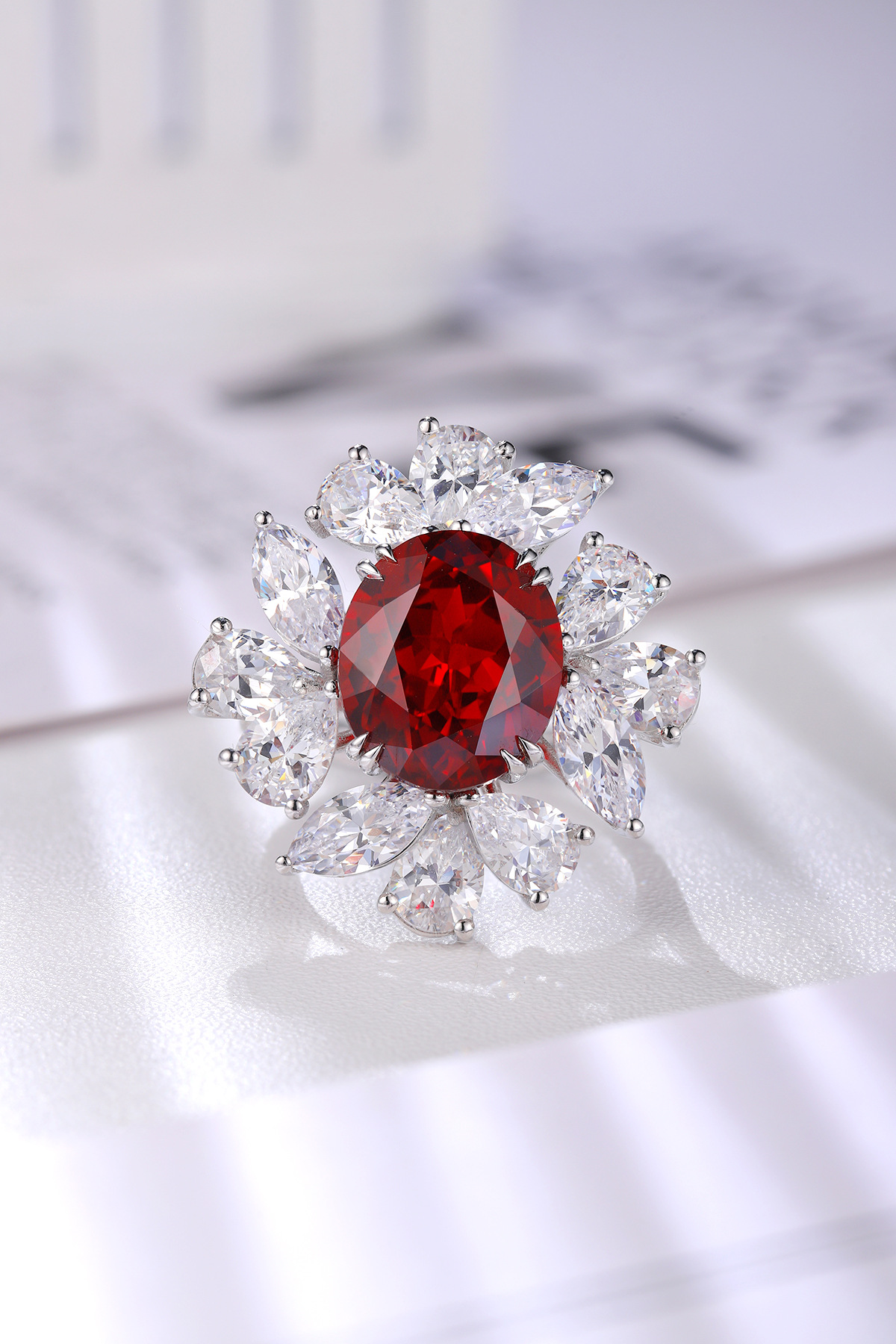
For jewelry worn regularly, periodic professional inspection can help identify setting problems before they become serious.
The appropriate frequency depends on the jewelry's construction, how often it is worn, and the owner's lifestyle.
A professional inspection may include checking:
Prongs
Stone security
Setting integrity
Metal wear
Accent stones
Surface condition
Regular inspection is particularly useful for engagement rings and other pieces that are worn almost every day.
The diamond and its grading report should ideally be kept together.
Store the report in a safe, dry location rather than carrying it around with the jewelry.
If your lab grown diamond has a report number or identifying inscription, keep the documentation for future reference.
The report can be useful if you:
Insure the jewelry
Have it appraised
Sell or trade the diamond
Have the diamond reset
Need to verify its identity
The report does not replace a professional jewelry appraisal when insurance documentation requires one, but it provides important information about the diamond itself.
A few simple habits can reduce unnecessary wear.
Avoid:
Harsh chemical cleaners
Abrasive powders
Rough brushes
Excessive scrubbing
Unsupervised ultrasonic cleaning
Wearing rings during heavy manual work
Storing diamonds loose against other jewelry
Ignoring loose prongs
Leaving valuable jewelry in unsecured locations
The goal is not to treat a lab grown diamond as fragile. Instead, it is to avoid preventable damage to the diamond and its setting.
Different shapes may benefit from slightly different care considerations.
Round diamonds have no sharp corners and are generally straightforward to protect in everyday jewelry.
Oval diamonds have rounded ends, but the setting should still hold the stone securely around its perimeter.
The pointed tip deserves particular attention. Protective prongs can help shield this vulnerable area.
Both pointed ends should be adequately protected by the setting.
The four corners can be more exposed to impact, making appropriate corner protection important.
The broad step-cut facets can make certain surface residue or inclusions more noticeable, so keeping the stone clean is particularly useful.
Regardless of shape, the best lab grown diamond maintenance routine combines gentle cleaning with regular setting inspections.
A visible mark does not necessarily mean the diamond itself has been damaged.
If you notice something unusual:
Stop wearing the jewelry if the stone appears loose.
Clean the diamond gently.
Examine it under good lighting.
Do not attempt aggressive polishing at home.
Have the jewelry professionally inspected if the mark remains or damage is suspected.
A professional can determine whether the issue is residue, a surface mark, an inclusion, setting damage, or an actual chip.
For routine jewelry maintenance, the basic principles are very similar.
Both lab grown and natural diamonds are highly resistant to scratching, but both can be affected by strong impacts and both are held in settings that require maintenance.
The biggest difference is not the daily cleaning routine. It is the importance of keeping the diamond's documentation and identification information organized.
For an IGI certified lab grown diamond, keeping the original grading report and matching identifying details can be especially useful for future reference.
For a diamond ring worn regularly, a simple maintenance schedule can be effective.
Once a week:
Inspect the setting visually.
Wipe away surface residue.
Check whether the diamond appears loose.
Every one to two weeks:
Clean gently with mild soap and lukewarm water.
Brush carefully around the setting.
Rinse and dry thoroughly.
Periodically:
Have the jewelry professionally inspected.
Check prongs and accent stones.
Review the condition of the metal.
When necessary:
Seek professional assistance if the diamond moves, chips, or appears damaged.
This routine is simple enough for everyday use while helping preserve the appearance and security of the jewelry.
Knowing how to care for IGI certified lab grown diamonds is mostly about combining gentle cleaning with sensible handling.
The diamond itself is highly durable, but everyday contaminants such as lotion, soap, sunscreen, cosmetics, and skin oils can reduce its brilliance. Meanwhile, impacts, loose prongs, and poor storage can create avoidable risks for the stone and its setting.
For routine maintenance, mild soap, lukewarm water, a soft brush, and a lint-free cloth are often sufficient. Remove diamond jewelry during strenuous activities, swimming, household cleaning, and situations where the ring could experience a hard impact.
Most importantly, remember that an IGI grading report describes the diamond—it does not make the jewelry indestructible. Proper lab grown diamond care, regular setting inspections, and careful storage are what help maintain the stone's appearance and security over the long term.









