
Cart
Your shopping cart doesn't have any products yet!
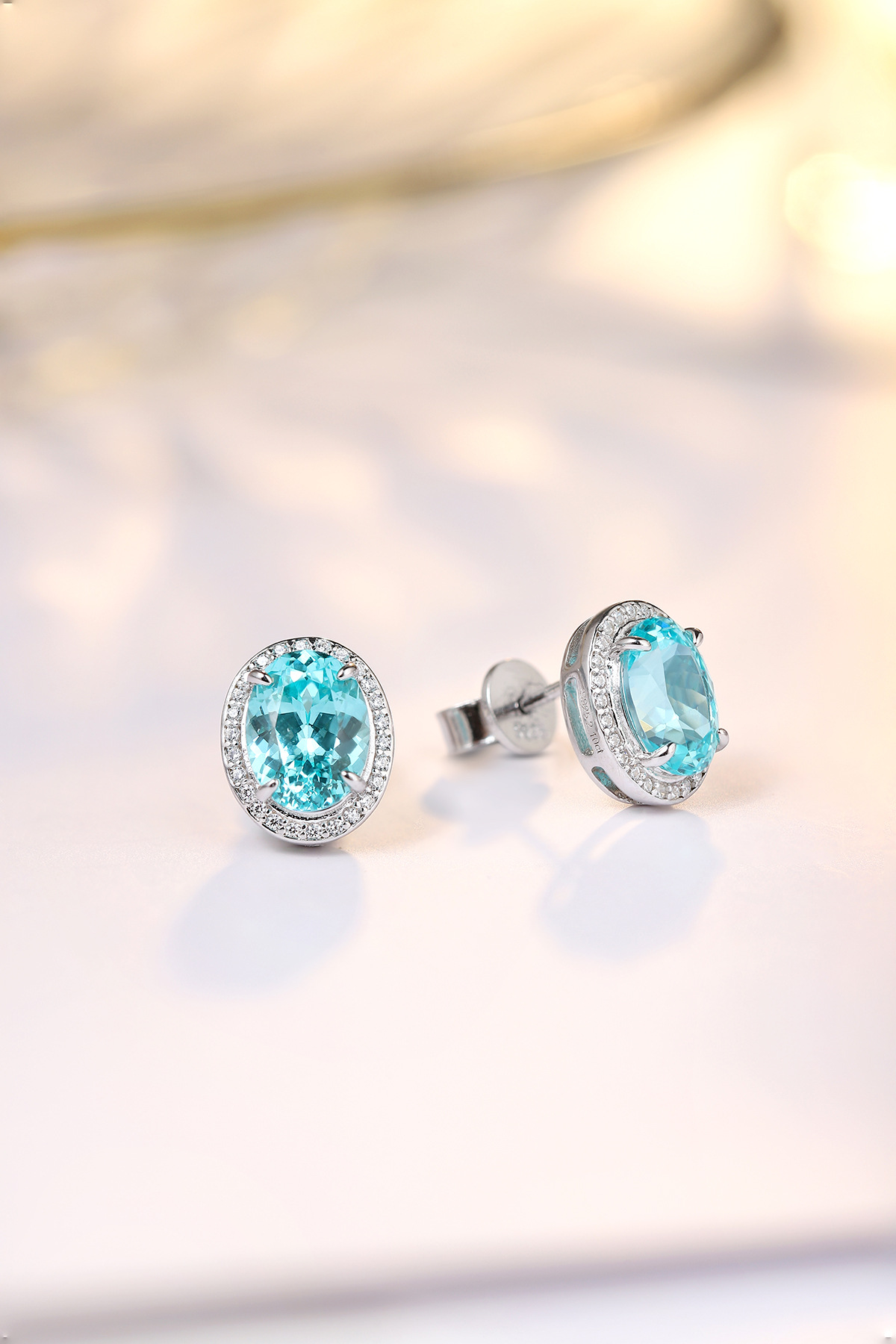
Moissanite is known for its bright sparkle, strong durability, and attractive color stability, making it a popular choice for engagement rings, earrings, necklaces, and other everyday jewelry. Because many people wear their jewelry outdoors, a common question is: do moissanite stones fade when exposed to sunlight?
The short answer is no. Normal exposure to sunlight does not cause a quality moissanite stone to fade or permanently lose its color.
Moissanite is a highly durable gemstone, and ordinary exposure to natural sunlight is not considered a typical cause of permanent discoloration. However, there are a few situations that can make a moissanite piece appear less bright or slightly different in color temporarily. Understanding the difference between actual color change and surface buildup can help you care for your jewelry properly.
For everyday jewelry use, sunlight does not normally change the permanent color of moissanite.
Moissanite used in modern jewelry is a stable crystalline material. Unlike some materials whose color can gradually change after prolonged exposure to light, moissanite is not generally considered a gemstone that fades simply because it is worn outside.
You can normally wear a moissanite engagement ring while walking outdoors, commuting, traveling, or spending time in the sun without expecting the gemstone itself to become permanently lighter or darker.
This is one reason moissanite is suitable for people who want a gemstone that can maintain its appearance through regular wear.
It is reasonable to wonder whether years of intense sunlight could eventually affect a gemstone.
Under normal jewelry conditions, there is no practical reason to expect ordinary sunlight to cause moissanite to fade. The gemstone's color is related to its material composition rather than a temporary surface coating that sunlight can simply bleach away.
However, extreme heat, harsh chemicals, poor-quality treatments, or damage to the surrounding jewelry are separate issues. If a stone appears different after years of wear, sunlight should not automatically be assumed to be the cause.
Although sunlight does not normally make moissanite permanently fade, the stone can look different under different lighting conditions.
This is an important distinction.
Gemstones interact with light. A moissanite can display different levels of brilliance, fire, contrast, and apparent color depending on whether it is viewed under:
Direct sunlight
Diffused daylight
Indoor lighting
Warm household lighting
Cool LED lighting
Jewelry-store lighting
Blacklight or UV-containing lighting
In bright sunlight, a well-cut moissanite can produce strong flashes of white brilliance and colorful fire. Under softer indoor lighting, the same stone may appear more subdued.
This is not the gemstone fading. It is simply a change in lighting environment and optical appearance.
Sunlight contains ultraviolet radiation, so some buyers specifically ask whether UV exposure can damage moissanite.
Normal exposure to sunlight is not generally expected to cause permanent color loss in moissanite. The gemstone is not typically treated as a light-sensitive material that must be kept away from ordinary daylight.
However, UV exposure can sometimes make certain gemstones or materials fluoresce, meaning they temporarily emit visible light while exposed to ultraviolet radiation.
This should not be confused with permanent color change.
If your moissanite produces a slightly different visual effect under a UV lamp or blacklight, that does not necessarily mean the stone is fading or being damaged.
Sunlight itself generally does not make a moissanite stone permanently cloudy.
If a moissanite looks hazy, dull, or less brilliant after spending time outdoors, the more likely explanation is surface residue.
Everyday substances can accumulate on the stone, including:
Sunscreen
Skin oils
Hand lotion
Makeup
Hair products
Soap
Dust
Dirt
Sweat
Perfume residue
These substances can create a thin film over the gemstone. Because moissanite relies heavily on clean surfaces and precise facets to return light, even a relatively small amount of residue can make the stone look less brilliant.
In other words, a dull-looking moissanite after a day in the sun may simply need cleaning.
Normal sunlight and everyday outdoor temperatures are not generally a concern for moissanite.
The gemstone itself has strong durability, but jewelry should still be treated as a complete system rather than focusing only on the center stone.
For example, prolonged exposure to extreme heat can affect some jewelry materials, treatments, adhesives, or surrounding components even when the moissanite itself remains stable.
This is particularly relevant for jewelry that contains:
Delicate settings
Certain decorative treatments
Adhesive-set components
Heat-sensitive materials
Mixed gemstones with different care requirements
For ordinary outdoor use, however, there is generally no need to worry that sunlight will simply bleach the color out of a moissanite stone.
A quality moissanite stone should not normally turn yellow simply because it has been exposed to sunlight.
If a stone appears more yellow than expected, several other factors should be considered.
Not every moissanite has exactly the same body color. Some stones are near-colorless, while others can have a warmer appearance.
A stone that looks nearly colorless in one environment may show more warmth in another.
Warm indoor lights can make a gemstone appear more yellow or creamy than cool daylight.
The setting can influence the overall appearance of the gemstone. Yellow gold, for example, can create a warmer visual impression around a near-colorless stone.
Oil, lotion, sunscreen, and dirt can reduce transparency and make the gemstone appear duller or warmer.
A gemstone's cut and faceting pattern influence how light enters and exits the stone. Changes in viewing angle can therefore affect perceived color and brightness.
These factors are more useful to investigate than assuming sunlight has permanently changed the gemstone.
Direct sunlight can actually make a moissanite appear extremely lively.
Because moissanite has strong optical properties, bright illumination can reveal intense flashes of brilliance and colorful fire. Depending on the cut and viewing angle, the stone may produce noticeable rainbow-like flashes.
This can make a moissanite appear more colorful outdoors than it does under certain indoor lights.
That does not mean sunlight is changing the stone's underlying color. Instead, stronger illumination makes its optical performance easier to see.
A well-cut moissanite with good facet symmetry and proportions can therefore look particularly impressive in bright daylight.
The answer depends on what gives the stone its color.
Traditional near-colorless moissanite is not expected to fade from ordinary sunlight exposure. However, if you are purchasing a colored or treated moissanite, it is important to understand how the color was produced.
Color can come from different material characteristics or treatments, and treatments may have different durability requirements.
If you are buying a colored moissanite, ask the supplier:
Is the color natural to the material or treatment-based?
Is the color permanent under normal jewelry use?
Are there special care instructions?
Can prolonged heat or UV exposure affect the treatment?
Is the stone suitable for everyday wear?
This is particularly important when purchasing unusual colors or stones marketed with specialized treatments.

Although sunlight itself generally does not cause moissanite to fade, good jewelry care can help maintain its appearance.
A clean moissanite will usually show more brilliance than one covered with oils and cosmetic residue.
For routine cleaning, use warm water, a small amount of mild dish soap, and a soft brush. Gently clean around the stone and setting, then rinse thoroughly.
If you regularly apply sunscreen, lotion, perfume, or makeup, try to allow these products to dry before putting on your jewelry.
This reduces the amount of residue that accumulates on the gemstone.
After a day at the beach, hiking, gardening, or exercising outdoors, inspect the jewelry for dust, sand, sweat, and sunscreen residue.
A gentle rinse can help remove surface contaminants.
A gemstone can remain perfectly stable while its setting becomes loose through everyday wear.
Periodically check prongs and other setting components, especially if the ring is worn every day.
When you are not wearing your moissanite jewelry, keep it in a clean, dry jewelry box or individual compartment.
This helps prevent scratches, dust accumulation, and unnecessary contact with other jewelry.
It can be helpful to separate permanent gemstone changes from temporary changes in appearance.
| Factor | Likely Effect on Moissanite |
|---|---|
| Normal sunlight | Does not normally cause fading |
| Outdoor daylight | Can increase visible brilliance and fire |
| UV/blacklight | May reveal temporary optical effects |
| Sunscreen | Can leave surface residue |
| Lotion | Can reduce apparent sparkle |
| Perfume | May leave a film on the stone |
| Dust and dirt | Can make the stone look dull |
| Different indoor lighting | Can change perceived color |
| Yellow-gold setting | May create a warmer overall appearance |
| Poor cleaning | Can reduce brilliance |
| Physical impact | Can damage the stone or setting |
The key point is that looking different under certain lighting is not the same as actually fading.
For most jewelry owners, yes.
A quality moissanite stone can be worn during normal outdoor activities without needing to avoid sunlight. Its durability makes it well suited to engagement rings and other pieces that are worn frequently.
That does not mean every piece of moissanite jewelry should be exposed to every possible environment. Swimming, strenuous activities, harsh chemicals, and situations where the jewelry could be struck or caught still deserve caution.
The best approach is to focus on the complete piece of jewelry: the moissanite, the setting, the metal, and any additional stones or treatments.
If your moissanite appears noticeably different after prolonged use, start with simple checks before assuming that it has faded.
First, clean the stone thoroughly. Look at it under both natural daylight and indoor lighting. Examine the gemstone from different angles and compare it with photographs taken when it was new, if available.
If the difference remains significant, inspect the setting and ask a qualified jeweler to examine the piece.
For a newly purchased stone, contact the supplier if you suspect a manufacturing or treatment issue. This is especially important for colored moissanite or stones with special finishes.
No. Normal direct sunlight is not expected to permanently fade a quality moissanite stone.
Sunlight does not normally turn moissanite yellow. A warmer appearance is more likely to be related to the stone's original color, lighting, setting, or surface residue.
Normal exposure to UV radiation from sunlight is not generally expected to cause permanent damage or fading in standard moissanite.
Outdoor lighting can reveal different levels of brilliance, fire, and contrast. The stone may therefore look more colorful or brighter without undergoing any permanent change.
Sunscreen can leave a residue on the gemstone that makes it look cloudy or dull. Cleaning the stone can usually restore much of its original sparkle.
Standard moissanite color is generally stable, but colored or treated stones should be evaluated according to how their color was produced. Ask the supplier about treatment stability and care requirements.
So, do moissanite stones fade when exposed to sunlight? Under normal conditions, no. Everyday sunlight does not typically cause quality moissanite to permanently lose its color.
What can change is the stone's appearance under different lighting conditions. Direct sunlight can reveal intense brilliance and colorful fire, while sunscreen, lotion, dust, and other residues can temporarily make the gemstone appear cloudy or dull.
For everyday wear, the most important habits are simple: keep the stone clean, avoid unnecessary exposure to harsh chemicals, inspect the setting periodically, and follow any care instructions provided for specialized or colored stones.
With sensible care, moissanite can maintain its bright, lively appearance for years without needing to be protected from ordinary sunlight.









