购物车
您的购物车还没有商品!
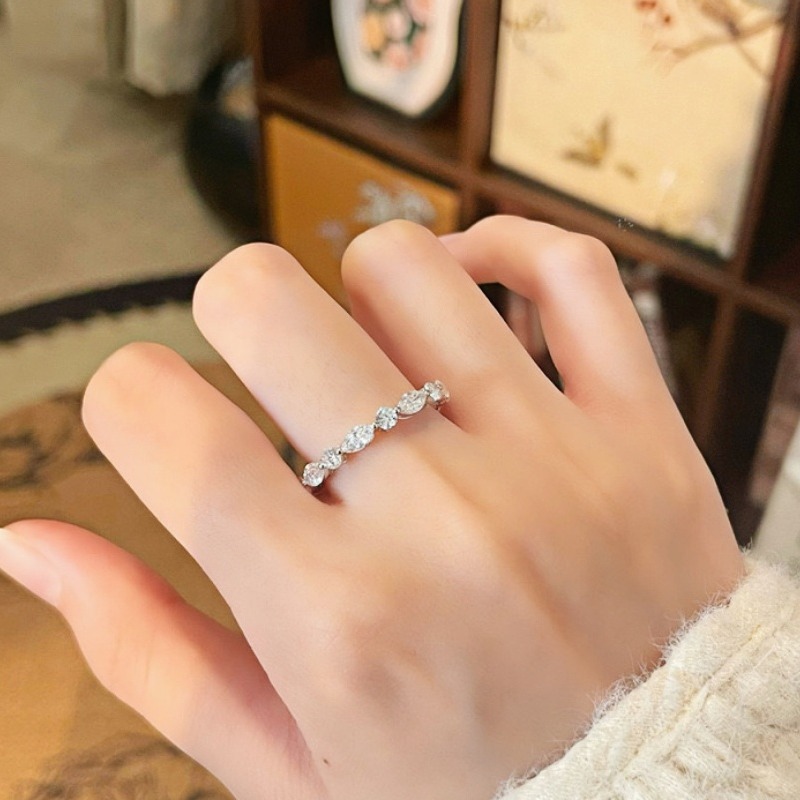
When shopping for an engagement ring, pendant, or pair of earrings, budget-conscious buyers often compare moissanite with lab-grown diamonds. Both gemstones can deliver impressive brilliance and suit a wide range of jewelry designs, but their purchase prices can differ considerably.
At first glance, moissanite often appears to be the obvious choice for shoppers looking to save money. Lab-grown diamonds generally cost more for comparable-looking jewelry, particularly as the stone's size and specifications increase. However, the price shown on a product page is only one part of the total cost of ownership.
Ring settings, precious metals, gemstone certification, customization, shipping, resizing, maintenance, and insurance can all influence the final amount you spend. Some of these costs are easy to overlook when comparing two jewelry pieces online.
The most affordable gemstone is not always the piece with the lowest advertised price. The smarter choice is the jewelry that meets your visual preferences, durability requirements, and budget without creating unexpected expenses later.
This guide explores the hidden costs of moissanite vs lab-grown diamond jewelry and explains how to make a practical buying decision without paying for features you do not need.
The gemstone itself is usually the first major cost difference between moissanite and lab-grown diamond jewelry.
Moissanite is a silicon carbide gemstone commonly used as a diamond alternative. It is valued for its brilliance, colorful fire, and relatively accessible price. Lab-grown diamonds, by contrast, have essentially the same chemical composition and crystal structure as natural diamonds, but they are created in controlled laboratory environments.
Because the two materials are different, they are priced differently.
Moissanite is generally much less expensive than a lab-grown diamond of comparable visual size. This price difference allows buyers to choose a larger center stone, a more elaborate setting, or a higher-quality precious metal without exceeding their budget.
For example, a shopper who wants a prominent center stone may find that moissanite leaves more room in the budget for a platinum setting or custom design.
However, moissanite prices can still vary according to cut quality, color appearance, brand, size, and manufacturing standards. Premium branded stones and intricate jewelry designs may cost substantially more than basic options.
Lab-grown diamonds require specialized production processes and subsequent cutting, polishing, and quality assessment. Their prices vary according to carat weight, cut, color, clarity, shape, and current market conditions.
A larger lab-grown diamond with desirable proportions and specifications can cost significantly more than a comparable-sized moissanite.
For buyers who specifically want diamond material rather than a diamond-like appearance, the additional cost may be worthwhile. The important point is to understand what you are paying for before deciding which option offers better value.
The gemstone may attract the most attention, but the setting can account for a significant part of the final jewelry price.
A moissanite ring and a lab-grown diamond ring with similar center stones may have very different total prices if their settings use different metals, weights, or construction methods.
Common setting materials include:
Sterling silver: Usually one of the more affordable metal options, although it may require more frequent polishing and can tarnish.
10K gold: Contains less pure gold than higher-karat gold and is often selected for affordability and everyday durability.
14K gold: A popular balance of gold content, durability, and price.
18K gold: Contains more pure gold than 14K gold and generally costs more, all else being equal.
Platinum: A dense precious metal that often carries a higher purchase price because of its material cost and the labor required for some designs.
These differences affect both moissanite and lab-grown diamond jewelry. Choosing moissanite does not automatically make an expensive platinum setting inexpensive.
Not necessarily. Moissanite can be set in gold, platinum, silver, and other suitable jewelry metals. A properly designed setting should account for the gemstone's shape, dimensions, and intended use.
Some buyers mistakenly assume that a lower-priced gemstone should always be paired with a cheaper setting. However, if the jewelry will be worn daily, investing in a well-made setting may be more practical than choosing the least expensive metalwork available.
Budget tip: Compare the complete ring or pendant price, including the metal type, metal weight where provided, number of accent stones, and setting style. Do not compare a loose moissanite stone with a finished lab-grown diamond ring and assume the difference represents gemstone cost alone.
Gemstone documentation is another factor that can affect the purchase price.
Lab-grown diamonds may come with grading reports from established gemological organizations such as IGI or GIA, depending on the stone and report type. These reports can document characteristics such as gemstone identity, measurements, weight, and applicable quality grades.
Moissanite products may come with a seller's certificate or a GRA-branded document. The scope and authority of these documents can vary, so buyers should check who issued the certificate and what it actually verifies.
Sometimes documentation is included in the advertised price. In other cases, a seller may offer different documentation options or charge extra for an additional assessment.
For a lab-grown diamond, an appropriate report from a recognized gemological laboratory can help you compare the stone's stated characteristics with other diamonds. Before paying a premium, verify that the report corresponds to the exact stone and contains information relevant to your purchase.
For moissanite, the value of a certificate depends on its issuer, purpose, and verification process. A certificate number and printed logo alone do not guarantee independent testing.
Avoid paying a large additional fee simply because a listing uses the word "certified." Ask what the document confirms and whether the information can be independently verified.
Custom jewelry can be appealing to buyers who want a distinctive ring, pendant, or pair of earrings. However, customization can increase the total cost regardless of which gemstone you choose.
Possible additional charges include:
Custom CAD design and rendering.
Model creation and casting.
Hand fabrication or specialized setting work.
Engraving and personalized details.
Additional accent stones.
Changes to an existing design.
Special gemstone cuts or nonstandard dimensions.
A simple solitaire ring may be relatively affordable, while a custom halo ring with intricate side details can cost much more.
Moissanite often reduces the center-stone cost, but it does not eliminate the labor required to create the jewelry.
For example, a custom moissanite ring with a complex platinum setting may cost more than a straightforward lab-grown diamond ring in a simpler gold setting. The final price depends on the entire design rather than the gemstone alone.
If your budget is limited, ask the jeweler to separate the quotation into the center stone, metal, setting labor, accent stones, and customization fees. This makes it easier to identify where savings are possible.
Jewelry is a long-term purchase, so it is worth considering the cost of keeping it in good condition.
Moissanite and lab-grown diamonds are both hard gemstones suitable for many everyday jewelry applications. However, neither is indestructible, and both can be damaged by sufficiently forceful impacts.
The setting, rather than the gemstone alone, often determines how much maintenance a piece may need.
If you purchase an engagement ring, resizing may become necessary after the initial purchase.
The cost depends on the metal, ring design, amount of resizing required, and whether the ring contains stones along the band. A plain gold band is generally easier to resize than an intricate design with numerous accent stones.
Some sellers include one resizing service, while others charge separately. Check the policy before buying, particularly when ordering online.
Prongs can wear down, bend, or loosen over time. If a stone is no longer secure, a jeweler may need to tighten the setting or repair the metalwork.
These costs can affect both moissanite and lab-grown diamond rings. A replacement gemstone may be relatively inexpensive in some moissanite designs, but the labor required to remove and reset a stone can still add to the bill.
Regular gentle cleaning can help both gemstones maintain their appearance. Mild soap, lukewarm water, and a soft brush are often suitable for straightforward jewelry designs, provided the metal and setting allow this method.
Professional cleaning may be included with some purchases or offered as a paid service. Polishing can also remove small surface marks from certain metals, although excessive polishing may gradually remove metal.
Budget tip: Ask whether the retailer includes routine cleaning, setting inspections, or minor repairs. A clear aftercare policy can be more useful than a small discount at checkout.
Jewelry insurance is not necessary for every buyer, but it may be worth considering for expensive or sentimental pieces.
Insurance premiums depend on factors such as the jewelry's insured value, coverage type, deductible, location, and insurer. An appraisal may also be required by the insurance provider, creating an additional upfront cost.
That depends on the replacement cost and the personal importance of the item.
A modestly priced moissanite pendant may not justify a separate insurance policy for every buyer. A custom moissanite engagement ring with expensive metalwork, however, may be valuable enough to insure.
The same principle applies to lab-grown diamond jewelry. The decision should be based on the cost of replacing the complete piece and your ability to absorb a loss, rather than the gemstone's name alone.
A sales receipt may be sufficient for some insurance arrangements, while other policies may require a formal appraisal or additional documentation.
Do not assume that an appraisal value is the same as the amount you paid or the amount you could receive if you sold the jewelry. Insurance replacement valuations and resale prices serve different purposes.
Before arranging coverage, ask the insurer which documents are required and how replacement value is determined.
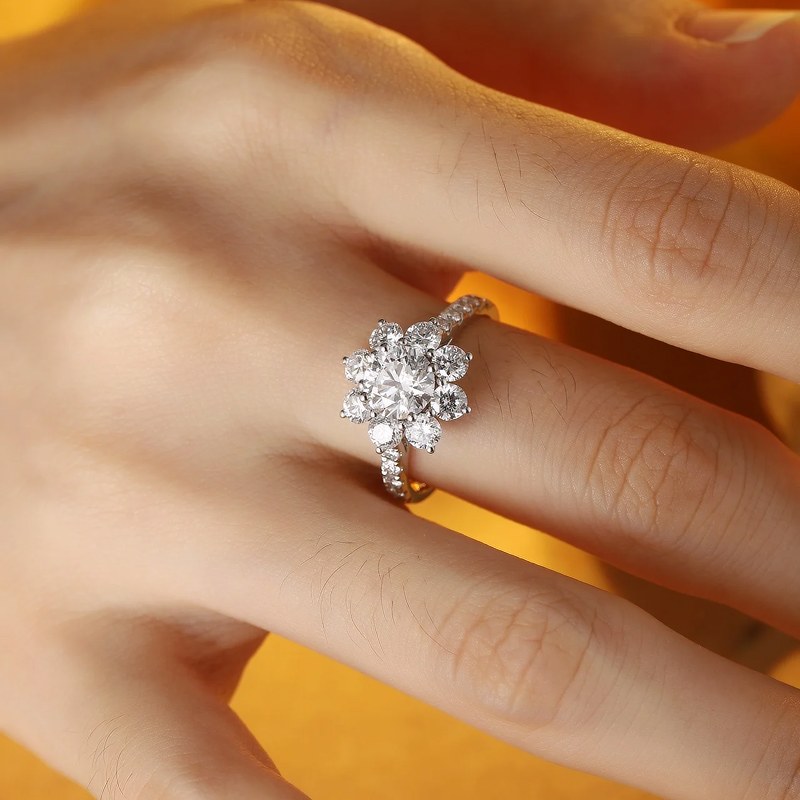
Online jewelry shopping can make prices look deceptively simple. A ring advertised at an attractive price may cost more once shipping, sales tax, or international import charges are included.
Potential extra expenses include:
Standard or expedited shipping.
Insured shipping for high-value jewelry.
Sales tax where applicable.
Customs duties and import-related charges for international purchases.
Return shipping if the item does not meet expectations.
Packaging or special delivery services.
These expenses generally apply to both moissanite and lab-grown diamond jewelry, although shipping insurance may vary according to the purchase value.
When comparing sellers, calculate the total amount payable at checkout rather than relying on the listed price. If the retailer ships internationally, review its customs and returns policies before placing an order.
An inexpensive jewelry purchase can become costly if the item is difficult to return or if the warranty excludes the problem you encounter.
Before buying a moissanite ring or lab-grown diamond pendant, read the return policy carefully.
Pay attention to:
The number of days allowed for returns.
Whether customized jewelry is excluded.
Restocking fees.
Return shipping costs.
Whether the gemstone must remain unaltered.
Warranty coverage for loose stones, damaged settings, or manufacturing defects.
Whether routine maintenance is included or charged separately.
Custom jewelry may be nonreturnable or subject to special conditions once production begins. If you are unsure about the gemstone size, color, or design, confirm these details before approving the final order.
A reliable retailer should explain the limitations clearly rather than leaving you to discover them after purchase.
Another important consideration is what happens if you eventually want to replace, upgrade, or resell your jewelry.
Moissanite and lab-grown diamonds should not be assumed to have equivalent resale markets or replacement economics.
Moissanite is generally purchased for its appearance, durability, and affordability rather than as a financial investment. The resale market for used moissanite jewelry can be limited, and resale offers may be substantially lower than the original retail price.
This does not make moissanite a poor purchase. If your primary goal is to enjoy beautiful jewelry at a lower initial cost, resale value may not be a major concern.
Lab-grown diamonds also commonly resell for less than their original retail price. Their market prices have changed considerably as production technology and supply have evolved.
A lab-grown diamond should therefore not be purchased on the assumption that it will appreciate or retain a particular percentage of its purchase price.
If resale is important to you, research actual secondhand offers for comparable pieces and remember that the value of the complete ring may differ from the value of its center stone alone.
For most budget-conscious buyers, a more practical question is how much it would cost to replace the jewelry if it were lost or damaged.
A lower-priced moissanite ring may be easier to replace within the same budget. A lab-grown diamond ring may cost more to replace, depending on the stone and setting.
Consider your intended use, emotional attachment, and replacement budget rather than relying on broad claims about future value.
The table below summarizes the main cost categories buyers should consider. Actual expenses depend on the product, seller, location, and coverage selected.
| Cost Category | Moissanite Jewelry | Lab-Grown Diamond Jewelry |
|---|---|---|
| Center gemstone | Generally lower purchase price | Generally higher purchase price for comparable visual size |
| Precious metal setting | Depends on metal and design | Depends on metal and design |
| Certification | Often included or supplied as retail documentation; verify its scope | May include a report from an established gemological laboratory |
| Custom design | Can be costly regardless of gemstone | Can be costly regardless of gemstone |
| Resizing and repairs | Depends on the setting and jeweler | Depends on the setting and jeweler |
| Cleaning and maintenance | Usually modest with ordinary care | Usually modest with ordinary care |
| Insurance | Depends on replacement cost and coverage | Depends on replacement cost and coverage |
| Shipping and taxes | Seller- and location-dependent | Seller- and location-dependent |
| Resale proceeds | Often limited | Often limited; prices can vary substantially |
The main financial advantage of moissanite is usually its lower initial gemstone cost. Most other expenses depend more on the jewelry's construction, the retailer's policies, and how the item is used.
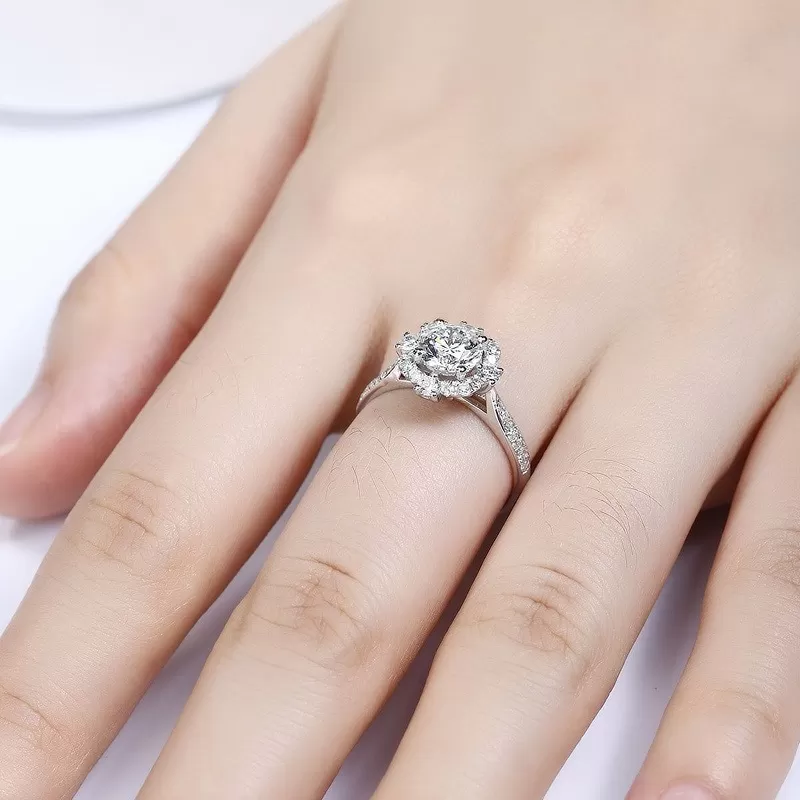
To understand how hidden costs work, imagine two shoppers choosing similar solitaire engagement rings. One selects moissanite, while the other selects a lab-grown diamond.
The following figures are illustrative budgeting examples only, not current market quotations. Actual prices can vary widely by stone specifications, metal, craftsmanship, and retailer.
| Expense | Moissanite Ring | Lab-Grown Diamond Ring |
|---|---|---|
| Center stone | $150 | $800 |
| Gold setting | $550 | $550 |
| Customization | $100 | $100 |
| Shipping and handling | $25 | $25 |
| Possible resizing allowance | $60 | $60 |
| Illustrative total | $885 | $1,535 |
In this example, the moissanite ring costs $650 less before any optional insurance or future maintenance. The difference comes primarily from the center stone, while the setting and other expenses remain the same.
This illustrates an important budgeting principle: choosing moissanite can create room for a better setting or reduce the overall purchase price, but the savings are greatest when the rest of the design remains comparable.
The example also shows why comparing finished jewelry is essential. If one ring uses sterling silver and the other uses platinum, the price difference cannot be attributed to the gemstone alone.
You do not need to choose the cheapest item in every category to get good value. A few deliberate decisions can help you avoid unnecessary expenses.
Decide how much you can comfortably spend on the complete piece, including taxes, shipping, and likely initial adjustments.
If you are buying a ring, reserve some of the budget for resizing or future maintenance rather than allocating every dollar to the center stone.
Compare moissanite and lab-grown diamond pieces with similar stone dimensions, metal types, setting styles, and craftsmanship. This makes the price difference easier to understand.
Consider whether you genuinely need a branded certificate package, elaborate custom design, premium packaging, or optional services. Some upgrades are worthwhile, but others may have little practical value for your intended use.
A gemstone's visual performance depends on more than its size. A well-cut stone can look lively and attractive without being the largest option available.
For lab-grown diamonds, compare the actual grading report and stone proportions. For moissanite, review clear product photographs or videos and, when possible, inspect the stone in person.
A well-constructed setting may reduce the likelihood of avoidable repairs. Ask the jeweler about stone security, metal thickness, prong design, and recommended maintenance.
A transparent seller that provides accurate specifications, clear return terms, and dependable after-sales support can help you avoid costs associated with mismatched products or difficult warranty claims.
There is no single answer for every shopper. The better choice depends on whether your priority is reducing the initial purchase price, owning a diamond specifically, or balancing design preferences with long-term costs.
Moissanite may be the better fit if:
You want a large, brilliant gemstone at a lower initial price.
You would rather allocate more of your budget to the setting or metal.
You are comfortable choosing a gemstone alternative to diamond.
You value appearance and practicality more than resale prospects.
A lab-grown diamond may be the better fit if:
You specifically want a diamond rather than a diamond alternative.
You prefer a diamond grading report from a recognized gemological organization.
You have a budget that accommodates the stone's higher purchase price.
You value the material identity of diamond and understand that resale value is not guaranteed.
Neither option is inherently the financially smarter choice for every person. The right purchase is the one that provides the qualities you care about at a price you can comfortably afford.
Moissanite is generally less expensive than a lab-grown diamond of comparable visual size, but the complete jewelry price depends on the setting, metal, design, brand, and craftsmanship. A premium custom moissanite ring can cost more than a simple lab-grown diamond ring.
Consider the setting, precious metal, customization fees, resizing, maintenance, shipping, taxes, insurance, and return policies. Also check what the accompanying certificate actually verifies and whether the seller charges extra for documentation.
Neither gemstone necessarily requires more routine maintenance solely because of its material. Both benefit from gentle cleaning and periodic inspection of the setting. The design, metal, and quality of workmanship often have a greater influence on maintenance costs.
That depends on the specific certificate and issuer. Before paying extra, establish whether it offers independently verifiable information or primarily serves as a product document. Do not assume that a certificate is valuable simply because it has a logo or identification number.
Moissanite is often attractive to shoppers who want to minimize the initial cost while choosing a prominent center stone. Lab-grown diamonds may suit buyers who specifically want diamond material and are comfortable spending more. Compare complete rings and prioritize the features that matter most to you.
You should not assume that you will recover the original purchase price. Resale proceeds depend on demand, condition, materials, brand, and the buyer. Both moissanite and lab-grown diamond jewelry may resell for considerably less than their original retail prices.
That depends on your priorities. If the center stone is the main visual feature, investing in a well-cut gemstone may make sense. If you plan to wear the jewelry daily, a secure and well-crafted setting is also important. A balanced budget usually provides better overall satisfaction than spending heavily on one component while compromising on another.
The hidden cost breakdown for moissanite vs lab-grown diamond jewelry reveals that the gemstone is only one part of the total purchase price. Setting materials, customization, certification, shipping, resizing, insurance, and after-sales support can all affect what you ultimately spend.
Moissanite usually offers a significant advantage in initial gemstone cost, making it an appealing option for shoppers who want brilliant jewelry while keeping their budget under control. Lab-grown diamonds cost more in many comparable purchases, but they offer diamond material and access to established diamond-reporting systems.
For budget buyers, the best strategy is to compare complete jewelry pieces, verify the gemstone information, review the retailer's policies, and calculate the total cost before making a decision.
A thoughtful purchase is not necessarily the cheapest one. It is the piece that fits your budget, suits your style, and provides the quality and confidence you expect without unnecessary expenses.