
购物车
您的购物车还没有商品!
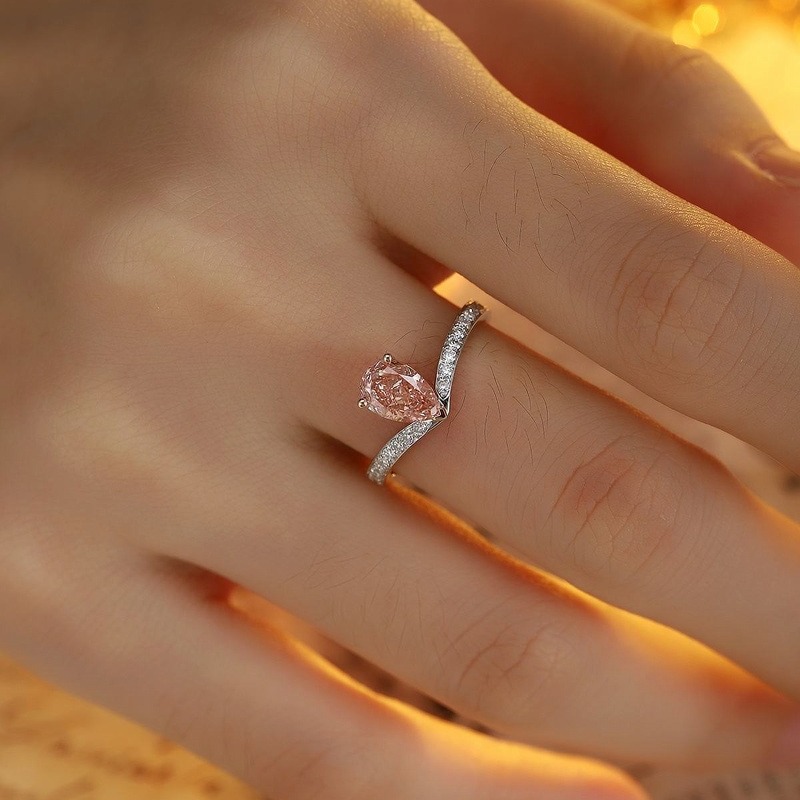
Moissanite jewelry has become a popular choice for people who appreciate brilliant gemstones, elegant designs, and affordable alternatives to traditional diamond jewelry. From moissanite engagement rings and wedding bands to necklaces, earrings, and bracelets, this gemstone offers impressive sparkle and versatility. However, people with sensitive skin often have an important question before purchasing: Will moissanite jewelry cause skin allergies?
The good news is that moissanite itself is generally considered skin-friendly and is not a common cause of allergic contact dermatitis. In most cases, skin irritation associated with moissanite jewelry is more likely to result from the metal setting, such as nickel-containing alloys, rather than from the gemstone itself.
Understanding the materials used in moissanite jewelry, recognizing potential allergy symptoms, and choosing suitable metals can help you enjoy beautiful jewelry while reducing the risk of skin irritation.
Moissanite is a gemstone composed of silicon carbide. It is valued for its exceptional brilliance, durability, and resistance to everyday wear. Most moissanite gemstones used in contemporary jewelry are lab-created, allowing jewelers to offer consistent quality and a wide range of shapes and sizes.
Unlike certain metals, moissanite is not a common source of contact allergy. Its stable composition and use as a polished gemstone make it generally suitable for people who want attractive jewelry without introducing a typical metal-allergen source at the stone's surface.
However, the overall skin-friendliness of a piece of moissanite jewelry depends on more than the gemstone alone. The ring, necklace, or earring also contains a metal setting, and that material may come into direct contact with the skin.
For example, a moissanite engagement ring set in a nickel-containing alloy may cause a reaction in someone with a nickel allergy. A similar ring made with an appropriate nickel-free metal may be a better option.
Therefore, when evaluating whether moissanite jewelry is suitable for sensitive skin, it is important to consider the entire piece rather than focusing exclusively on the gemstone.
Moissanite itself is not a common cause of skin allergies, but certain components of moissanite jewelry can trigger irritation or allergic reactions.
There are three main factors to consider.
Metal sensitivity is one of the most common explanations for allergic reactions caused by jewelry. Nickel is a particularly well-known contact allergen and may be present in some white gold alloys, inexpensive jewelry, and metal components.
When jewelry containing an allergenic metal repeatedly contacts the skin, a susceptible person may develop allergic contact dermatitis. This is a delayed immune reaction that can cause redness, itching, swelling, dryness, or a rash around the contact area.
The reaction may occur beneath a ring, around an earring piercing, or along the skin touched by a necklace or bracelet.
Other metals can occasionally cause allergies, although nickel is a more common concern. Choosing a suitable metal and checking the manufacturer's material specifications can help reduce the risk.
Not every skin reaction caused by jewelry is an allergy.
Moisture, soap residue, sweat, friction, and trapped debris can irritate the skin underneath a ring or around an earring. Tight-fitting jewelry may make the problem worse because it limits airflow and allows moisture to remain against the skin.
For example, someone wearing a moissanite ring while washing their hands may notice redness beneath the band if soap and water become trapped between the ring and the skin.
This type of irritation can occur even when the jewelry is made from a metal that the wearer normally tolerates.
Keeping jewelry clean, drying the skin thoroughly, and removing rings during activities that involve prolonged moisture can help prevent irritation.
The appearance of a piece of jewelry does not always reveal its underlying metal composition.
White gold jewelry is sometimes coated with rhodium to create a bright, reflective finish. Although rhodium plating can provide a protective surface, the coating may wear over time, exposing the underlying alloy.
If that alloy contains nickel, a person with nickel sensitivity may develop a reaction when the metal becomes exposed.
Similarly, gold jewelry should not automatically be assumed to be hypoallergenic. Gold purity, alloy composition, manufacturing methods, and plating all influence the material's suitability for sensitive skin.
When purchasing moissanite jewelry, it is useful to ask whether the setting is nickel-free and whether any plating is applied.
Selecting the right metal is one of the most effective ways to reduce the risk of jewelry-related skin reactions. Several options are worth considering.
Platinum is often an excellent choice for people with sensitive skin, particularly when the jewelry is made from a suitable, clearly specified alloy.
Platinum jewelry is valued for its durability, naturally white appearance, and resistance to corrosion. High-purity platinum alloys are commonly selected for engagement rings and wedding bands.
However, platinum jewelry can contain other metals, so people with known metal allergies should confirm the exact alloy rather than assuming every platinum piece is suitable.
For buyers seeking a premium setting for a moissanite engagement ring, platinum offers a combination of elegance and long-term wearability.
Gold is another popular choice for sensitive skin, but its suitability depends on purity and alloy composition.
Higher-karat gold contains a greater proportion of pure gold, while lower-karat gold contains more alloying metals. Those additional metals can include substances that trigger allergies in susceptible individuals.
For example, 18K gold contains 75% gold, whereas 14K gold contains approximately 58.3% gold. Both can be suitable for everyday jewelry, but the remaining metals vary by manufacturer and color.
Yellow gold is often a useful option for people concerned about nickel because many yellow gold alloys use metals other than nickel. Nevertheless, the exact composition should be verified.
White gold requires particular attention because some alloys contain nickel. If you have a confirmed nickel allergy, ask for a documented nickel-free white gold alloy or consider another suitable metal.
Titanium is widely used in jewelry designed for people with sensitive skin. It is lightweight, corrosion-resistant, and generally well tolerated.
It may be especially appealing for earrings, simple bands, and minimalist jewelry. However, titanium jewelry can have fewer decorative setting options than traditional precious-metal designs, depending on the manufacturer.
When selecting titanium jewelry, confirm the material grade and any additional components used in the setting.
Niobium is another metal commonly used for sensitive-skin jewelry, particularly earrings and body jewelry. It is valued for its corrosion resistance and suitability for many people who react to other metals.
Its availability in elaborate moissanite ring settings may be more limited than that of gold or platinum, but it can be a useful option for certain jewelry styles.
Sterling silver typically contains 92.5% silver and 7.5% other metals, often copper. It is generally affordable and widely used in moissanite rings, earrings, pendants, and bracelets.
Many people tolerate sterling silver well. However, sterling silver is not automatically hypoallergenic because its alloy composition can vary, and some pieces may contain nickel or other metals that cause problems for sensitive individuals.
For buyers with known metal allergies, a clearly documented nickel-free sterling silver piece is preferable to jewelry with unspecified materials.
| Metal | Suitability for sensitive skin | Important consideration |
|---|---|---|
| Platinum | Often an excellent option | Check the alloy composition |
| 18K gold | Often a good option | Verify the metals used in the alloy |
| 14K gold | Depends on the alloy | Some white gold contains nickel |
| Titanium | Generally well tolerated | Confirm grade and components |
| Niobium | Generally well tolerated | More limited availability in some designs |
| Sterling silver | Often suitable | Confirm that the alloy is nickel-free |
No metal can be guaranteed to suit every individual. People with a diagnosed metal allergy should choose jewelry based on their specific allergen and, when necessary, seek advice from a dermatologist.
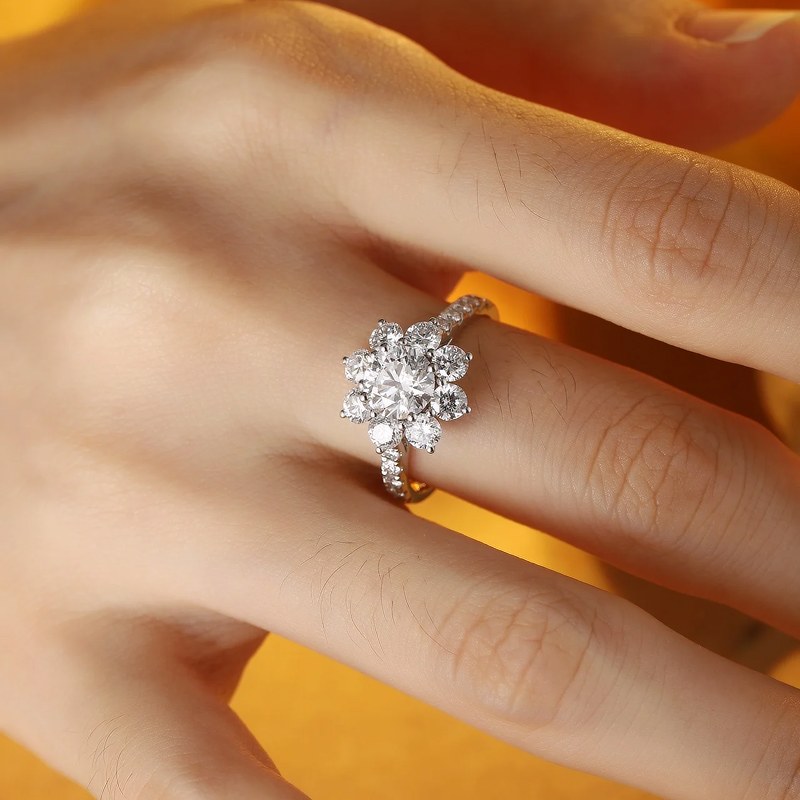
If your skin reacts after wearing a moissanite ring or another piece of jewelry, it is useful to recognize the common symptoms of allergic contact dermatitis.
Possible symptoms include:
Redness or discoloration around the area touching the jewelry.
Itching that persists or becomes more noticeable after wearing the piece.
Dry, flaky, or cracked skin.
Small bumps or blisters.
Localized swelling or tenderness.
A rash that develops beneath a ring or around an earring piercing.
Symptoms may appear hours or days after exposure, and repeated contact can cause the reaction to return.
However, these symptoms do not automatically mean that you have a metal allergy. Irritant dermatitis, friction, trapped moisture, and unrelated skin conditions can produce similar symptoms.
If the rash persists, recurs, spreads, or becomes painful, consult a healthcare professional. A dermatologist can assess the symptoms and may recommend patch testing to identify a specific metal allergen.
Severe swelling, rapidly spreading redness, significant pain, or signs of infection warrant prompt medical evaluation. Difficulty breathing or swelling of the lips or tongue requires emergency medical attention.
Choosing an appropriate metal is an important first step, but everyday care also helps keep jewelry comfortable.
If you have sensitive skin or a known nickel allergy, look for moissanite jewelry with clearly stated metal specifications. Ask the jeweler about the setting, solder, decorative components, and any plating.
A product described as hypoallergenic may still contain an allergen that affects you, so specific material information is more useful than a general marketing claim.
Soap, sweat, lotions, and dirt can accumulate around the setting and underneath a ring.
Clean your jewelry according to the manufacturer's instructions and use a gentle, jewelry-safe cleaning method. Rinse away residue and dry the piece thoroughly before wearing it again.
Avoid harsh chemicals and abrasive cleaning products that may damage the metal finish or affect certain jewelry components.
Consider removing rings before swimming, exercising, cleaning with household chemicals, or performing activities that cause excessive sweating.
For earrings, avoid changing or handling healing piercings unnecessarily, and follow appropriate piercing aftercare guidance.
Removing jewelry during prolonged exposure to moisture can reduce irritation and help protect the setting.
A ring that is too tight can trap moisture and increase friction. A properly fitted ring should feel secure without compressing the skin.
If redness consistently appears beneath a ring, check both the fit and the condition of the skin. Persistent symptoms may indicate a need to change the metal or seek medical advice.
If you develop an itchy or irritated area, remove the suspected jewelry and allow the skin to recover. Continuing to wear the piece may worsen the problem if it contains an allergen or creates ongoing friction.
Do not rely on applying a barrier cream or nail polish to the metal as a permanent solution. Such coatings may wear off, and some products can introduce additional irritation.
Moissanite is generally considered skin-friendly, but the term hypoallergenic jewelry requires careful interpretation.
There is no single jewelry material that is guaranteed to prevent allergic reactions in every person. The term usually indicates that a product is designed to reduce the likelihood of an allergic response, but it does not establish that the piece is free of every potential allergen.
For moissanite jewelry, the gemstone is usually not the main concern. The metal setting, plating, solder, and other components are more relevant when assessing allergy risk.
For example, a moissanite engagement ring made with a suitable platinum alloy may be an excellent option for someone who reacts to nickel. Conversely, a moissanite ring with a nickel-containing white gold setting may cause a reaction despite using a skin-friendly gemstone.
If you have known sensitivities, request the full material specifications before purchasing. If you are unsure which metal triggers your symptoms, professional evaluation and patch testing can help guide your choice.
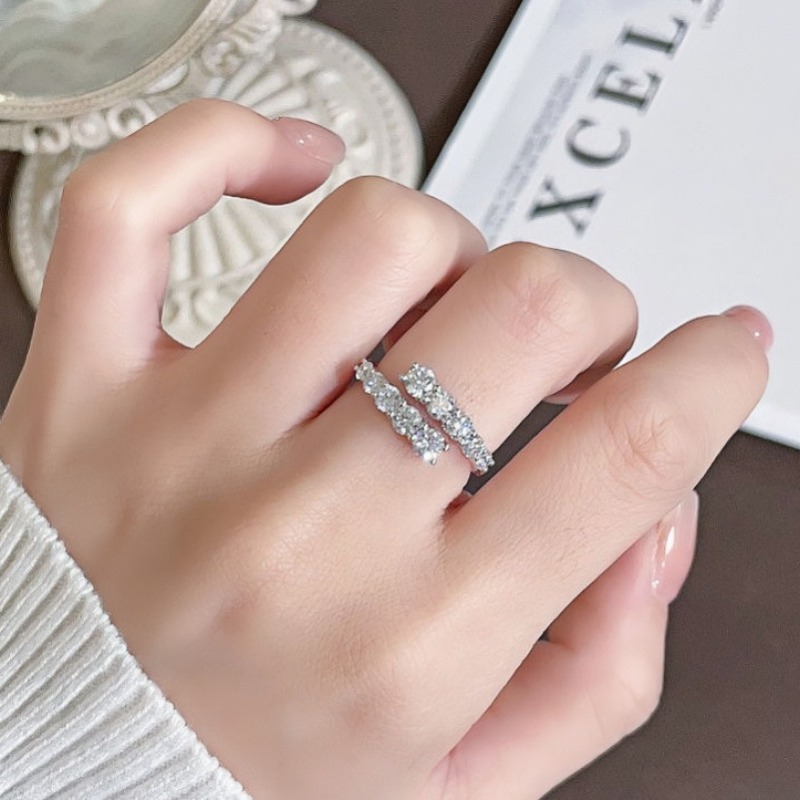
Yes, many people with sensitive ears can wear moissanite earrings comfortably, provided that the posts, backs, and other components are made from metals they tolerate.
Earrings deserve particular attention because the posts often remain in prolonged contact with the skin and may pass through a piercing. Nickel-containing components can trigger reactions in people who are sensitized to nickel.
When shopping for moissanite stud earrings or drop earrings, consider options made with suitable titanium, niobium, platinum, or documented nickel-free gold components.
Do not assume that the earring is safe simply because its visible decorative portion is gold or silver. The post and backing may use a different metal.
If an earring piercing becomes increasingly painful, swollen, hot, or produces discharge, remove the jewelry only if doing so is appropriate for the piercing's condition and seek medical guidance. Suspected piercing infections should be assessed promptly.
For many people, moissanite is an excellent gemstone choice because it combines brilliant appearance, durability, and versatility with a wide selection of setting options.
People with sensitive skin do not necessarily need to avoid moissanite jewelry. Instead, they should focus on choosing a compatible metal and buying from a jeweler who provides transparent material information.
A well-made moissanite ring with a suitable metal setting can be worn comfortably for many years, provided it fits properly and receives appropriate care.
When comparing moissanite jewelry, consider the following factors:
The metal's exact composition.
Whether the setting is nickel-free.
The quality of the manufacturing and finishing.
Whether plating is used and how it is maintained.
The ring's fit and the amount of skin contact.
The seller's ability to verify the materials used.
These details are particularly important when shopping for moissanite engagement rings, wedding bands, earrings, and other jewelry intended for daily wear.
Moissanite itself is not a common cause of itching or skin allergies. If a moissanite ring causes itching, the metal setting, trapped moisture, soap residue, friction, or another skin condition may be responsible.
Moissanite itself is generally suitable for people with nickel allergies. However, the jewelry setting may contain nickel. Choose a piece with verified nickel-free materials and check the composition of all components that contact the skin.
Not necessarily. Some 14K gold alloys are well tolerated, while others may contain nickel or other metals that trigger reactions. The exact alloy composition matters more than the karat rating alone.
Sterling silver is often suitable for sensitive skin, but its alloy composition should be checked. People with known metal allergies should look for verified nickel-free jewelry and avoid pieces with unspecified metal components.
Green discoloration beneath a ring is commonly associated with reactions between the skin and certain metals, particularly copper-containing alloys, rather than the moissanite gemstone. The discoloration does not necessarily indicate an allergy, although irritation can occur in some circumstances.
Suitable platinum alloys, verified nickel-free gold, titanium, and other well-tolerated metals can be good choices. The best option depends on the specific metal you react to, the ring's design, and the composition of the setting.
Yes, stop wearing the suspected jewelry while you assess the irritation. If symptoms persist, recur, or worsen, consult a healthcare professional to determine the cause and identify an appropriate metal alternative.
Will moissanite jewelry cause skin allergies? In most cases, moissanite itself is unlikely to cause a skin allergy. The metal setting and other jewelry components are more common sources of allergic reactions.
Nickel-containing alloys, certain gold mixtures, and poorly specified metal components can cause problems for people with sensitive skin. Moisture, friction, and trapped soap may also contribute to irritation without involving an actual allergy.
By choosing suitable metals such as verified nickel-free gold or an appropriate platinum alloy, maintaining clean jewelry, and ensuring a comfortable fit, many people can enjoy the beauty of moissanite jewelry with fewer concerns about skin irritation.
Ultimately, the most important consideration is not simply whether the gemstone is moissanite, but whether the entire piece of jewelry is made from materials that your skin tolerates. A little attention to metal composition and jewelry care can help you find a beautiful, comfortable piece that suits your personal style.