
购物车
您的购物车还没有商品!
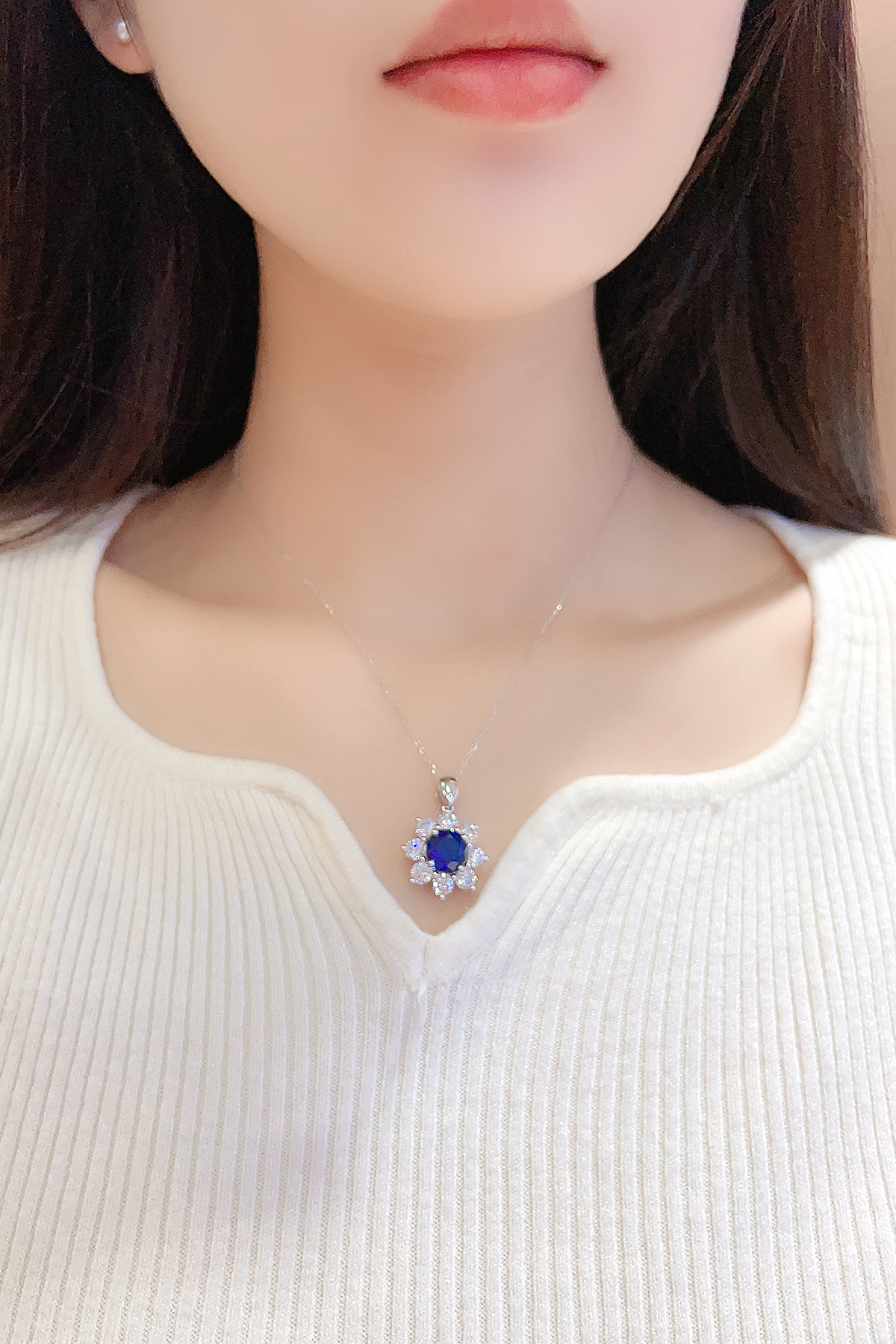
Choosing an engagement ring is an exciting milestone, but finding a beautiful ring within a limited budget can be challenging. With so many gemstone options available, many couples find themselves comparing moissanite and lab-grown diamonds. Both offer attractive styles for engagement rings, but they differ in price, optical appearance, resale considerations, and the overall buying experience.
So, which is better for a limited budget: a moissanite or a lab diamond engagement ring?
The answer depends on your priorities. Moissanite is often the more affordable choice for buyers who want a larger-looking center stone without spending as much. A lab-grown diamond may be the better option for those who specifically want a diamond with the same fundamental material properties as a natural diamond, while benefiting from a generally lower purchase price than a comparable mined diamond.
Understanding these differences can help you choose an engagement ring that fits your finances without compromising the features that matter most to you.
Before comparing prices, it helps to understand what each gemstone is.
Moissanite is a gemstone made primarily from silicon carbide. Jewelry-grade moissanite is commonly manufactured in a laboratory because naturally occurring material suitable for jewelry is rare.
One of its most recognizable features is its strong fire, which produces colorful flashes of light. Moissanite is also highly resistant to scratching and is suitable for many everyday jewelry designs.
Because moissanite usually costs considerably less than a comparable lab-grown diamond, buyers can often select a larger stone or allocate more of their budget to the setting.
A lab-grown diamond is diamond material created in a controlled laboratory environment, usually through High Pressure High Temperature (HPHT) or Chemical Vapor Deposition (CVD) methods.
Lab-grown diamonds have essentially the same fundamental chemical composition and crystal structure as natural diamonds. They also share the characteristic hardness and optical properties of diamond, although individual stones vary in quality.
For buyers who specifically want a diamond engagement ring, a lab-grown diamond offers that material identity at a price that is generally more accessible than a comparable natural diamond.
The main distinction: Moissanite and lab-grown diamonds are different gemstones. Neither is automatically the best choice for every budget, but each offers a different combination of appearance, cost, and buyer appeal.
For many buyers, price is the first consideration. In general, moissanite is the more budget-friendly option, while lab-grown diamonds typically cost more for a comparable-looking center stone.
However, actual prices vary significantly according to size, cut quality, color, clarity, shape, metal type, setting complexity, brand, and retailer.
A simple moissanite solitaire may cost substantially less than a similar-looking lab diamond ring. That difference can allow buyers to choose a more elaborate setting, add side stones, or keep more money available for other wedding expenses.
A lab-grown diamond ring may still be an attainable option when the buyer chooses a smaller center stone, a practical metal, or a simpler design.
When shopping on a limited budget, compare the full price of each ring. The center stone is only one part of the final cost.
Consider these components:
Center stone price.
Metal type and weight.
Setting design and craftsmanship.
Side stones or decorative details.
Grading reports or other documentation, where applicable.
Taxes, shipping, resizing, and after-sales service.
A modestly sized lab-grown diamond in a simple 14K gold setting may be more affordable than an elaborate moissanite ring made with a heavier precious-metal setting.
For a fair comparison, look at rings with similar dimensions, setting materials, craftsmanship, and included services.
| Feature | Moissanite | Lab-grown diamond |
|---|---|---|
| Gemstone material | Silicon carbide | Diamond |
| Typical purchase cost | Usually lower | Usually higher than comparable moissanite |
| Optical appearance | Strong brilliance and colorful fire | Diamond-like brilliance and fire |
| Scratch resistance | Very high | Very high |
| Everyday engagement ring use | Suitable with a secure setting | Suitable with a secure setting |
| Visual impact per dollar | Often excellent | Depends on the stone and budget |
| Diamond identity | Not a diamond | A real diamond grown in a laboratory |
| Resale considerations | Often limited | Resale is also uncertain and often below retail |
| Best suited to | Buyers prioritizing affordability and size | Buyers specifically wanting a diamond |
Neither option is completely maintenance-free. Both benefit from appropriate cleaning, careful handling, and periodic inspection of the setting.
Appearance is personal, so the best choice depends on the type of sparkle you prefer.
Moissanite has strong dispersion, which means it can display prominent rainbow-colored flashes when light interacts with its facets. Some buyers love this lively appearance, particularly in larger center stones.
Others prefer a more restrained look and may find the colorful flashes more noticeable than they want.
If you are considering a moissanite engagement ring, view the stone under different lighting conditions. The appearance in direct sunlight may differ from its appearance indoors or in softer natural light.
Lab-grown diamonds offer the optical characteristics associated with diamond, including brilliance and fire. Their appearance depends heavily on cut quality, proportions, and the way the stone interacts with light.
A well-cut lab-grown diamond may be the preferred option for someone who has always envisioned a traditional diamond engagement ring.
However, a higher price does not automatically guarantee better visual performance. Cut quality and the individual stone's characteristics should be evaluated carefully.
A larger gemstone is not always the better-looking option. Proportions, setting style, finger size, and personal taste all affect how a ring appears when worn.
For a limited budget, compare actual stones or clear videos instead of relying entirely on photographs. Online images may use different lighting, magnification, and editing, making direct comparisons difficult.
Both moissanite and lab-grown diamonds are suitable for engagement rings worn regularly, provided the ring is well designed and properly maintained.
Diamond ranks 10 on the Mohs hardness scale, while moissanite is generally rated around 9.25. This scale measures scratch resistance, not overall toughness or resistance to every kind of impact.
Both materials are highly resistant to scratching, but either gemstone can chip or become damaged under certain conditions. The setting also plays a significant role in protecting the stone.
For a ring intended for everyday use, pay attention to:
Setting security: Prongs, bezels, and other components should hold the center stone securely.
Stone protection: Designs that protect exposed corners and tips may be useful for certain cuts.
Practical height: A very high setting may catch on clothing or objects more frequently.
Comfort: The band should suit the wearer's daily activities.
Maintenance: Periodic professional checks can help identify loose stones or worn prongs.
For a limited budget, a secure and well-made setting is often a wiser investment than spending the entire budget on a larger center stone.
Often, yes. Because moissanite generally costs less than a comparable lab-grown diamond, buyers can frequently select a larger center stone for the same overall budget.
For example, someone deciding between a smaller lab-grown diamond and a larger moissanite may find that the moissanite creates more visual impact at a lower price.
However, larger is not automatically better. A large stone can feel less practical for someone with an active lifestyle, and an oversized center stone may not suit every ring design.
Consider these questions before deciding:
Do you prefer a large center stone or a particular gemstone material?
Does the ring need to fit comfortably under gloves or alongside other jewelry?
Would you rather spend more on the setting and craftsmanship?
Will you still enjoy the stone's appearance in different lighting?
Does the wearer specifically want a diamond?
The best budget decision is the one that balances appearance, comfort, personal preference, and long-term satisfaction.
If you prefer a diamond but need to control costs, several strategies can help.
Rather than choosing a size first and stretching your budget to match it, compare several sizes and prices. A slightly smaller stone may allow you to select a better cut or a more appealing overall ring design.
Cut quality strongly influences a diamond's brilliance and light return. When comparing stones, pay close attention to cut grading and actual visual performance, especially for round brilliant diamonds.
Color and clarity also matter, but the most expensive grade is not necessarily necessary for an attractive engagement ring.
Some diamonds contain inclusions that are difficult to see without magnification. An eye-clean stone may offer a more economical choice than a higher clarity grade, provided the inclusions do not create concerns about durability or appearance.
The visibility of inclusions depends on their size, location, color, and the stone's shape.
Round brilliant diamonds are popular, but other shapes may provide a different balance of face-up size, appearance, and price. Compare actual dimensions rather than assuming that stones with equal carat weights will look equally large.
Review the grading report, return policy, resizing terms, and warranty details. Independent grading reports can help verify the stone's stated characteristics, but they do not guarantee that a ring will suit the wearer's preferences.
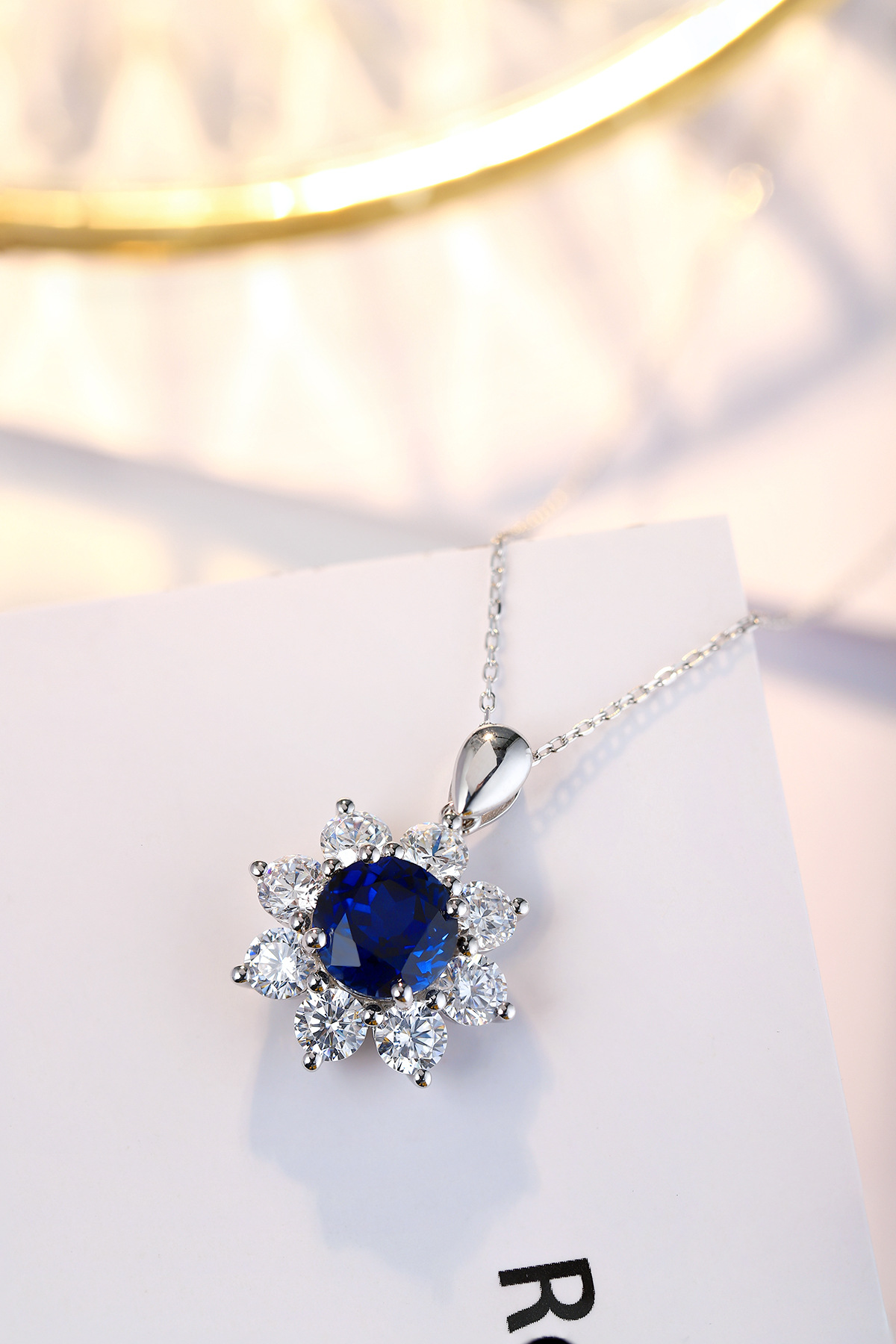
If you prefer moissanite, you can still make a thoughtful purchase by focusing on quality and design rather than size alone.
Moissanite is available in different color appearances. If you prefer a bright, neutral look, compare the stone under multiple lighting conditions and check the seller's color description.
Facet symmetry, proportions, and overall light performance affect how attractive a moissanite looks. A well-cut stone in a moderate size may appear more refined than a larger stone with less appealing proportions.
Simple solitaire settings can be an effective way to keep costs under control while drawing attention to the center stone. Bezel settings can offer a different aesthetic and protect portions of the gemstone's perimeter when properly designed.
Prong settings, halo designs, and side-stone rings are also options, but additional metalwork and stones may increase the final price.
Confirm the shape, measurements, color description, return policy, and any treatment disclosures that apply. If a certificate or grading document is provided, understand what it actually verifies rather than assuming all documents offer the same level of independent assessment.
Resale value is worth understanding, but it should not be the only factor in choosing an engagement ring.
Neither moissanite nor lab-grown diamonds should be purchased with an expectation of guaranteed appreciation. Jewelry resale prices can be substantially lower than retail prices because of retail margins, changing market prices, brand considerations, condition, and buyer demand.
Lab-grown diamonds may have a resale market, but their retail and resale values can change as production costs, supply, and consumer preferences evolve. Moissanite resale opportunities may also be limited, depending on the stone, brand, and buyer.
If resale is important to you, ask about realistic buyback or trade-in terms before purchasing. Read the conditions carefully, because a store credit program is not the same as a guaranteed cash resale price.
For many couples, an engagement ring's emotional significance, appearance, and suitability for everyday wear are more important than any uncertain future resale value.
The right option depends on what you value most.
Choose moissanite if:
You want to minimize the cost of the center stone.
You prefer a larger-looking gemstone for your budget.
You enjoy pronounced rainbow-colored flashes.
You want to allocate more of your budget to the setting or other expenses.
You are comfortable choosing a gemstone that is not diamond.
Choose a lab-grown diamond if:
You specifically want a diamond engagement ring.
You prefer diamond's optical appearance.
You want to compare diamond grading reports and established diamond specifications.
You are willing to spend more for the diamond material itself.
You can find a stone and setting combination that fits your budget comfortably.
There is no universally correct choice. The best ring is one that reflects the wearer's preferences and does not create unnecessary financial pressure.
When comparing a moissanite or lab diamond engagement ring for a limited budget, the biggest difference is usually the balance between price and gemstone preference.
Moissanite is generally the more affordable option and can offer impressive size and colorful fire for the money. A lab-grown diamond costs more in many comparable comparisons but provides the material identity and optical characteristics of diamond.
Before purchasing, compare the complete ring price, inspect the stone's appearance, consider the setting's security, and review the seller's return and after-sales policies. Avoid spending beyond your comfort level just to reach a particular carat weight or gemstone category.
An engagement ring should be meaningful, attractive, comfortable, and financially sensible. Whether you choose moissanite or a lab-grown diamond, a thoughtful decision can help you find a ring that you will be happy to wear for years.
Moissanite is generally more affordable and may allow you to choose a larger center stone. A lab-grown diamond may be a better fit if owning a diamond is your priority and you can find an option within your budget.
Moissanite is a distinct gemstone, not a fake diamond. It has a different optical appearance, particularly its strong colorful fire. Whether you prefer it over a lab-grown diamond is a matter of personal taste.
Both can last for many years with appropriate care. Diamond is harder, but both stones are highly scratch-resistant. Neither is immune to chipping, and the quality of the setting matters for everyday durability.
It may be worth the extra cost if you specifically want diamond rather than a diamond alternative. If your main priority is maximizing size and appearance while minimizing spending, moissanite may offer better value for your needs.
Yes. Moissanite is often a practical option for buyers who want a larger center stone on a limited budget. Choosing a simple setting and comparing actual gemstone dimensions can also help control costs.
Both matter. The gemstone determines much of the ring's appearance, while the setting affects security, comfort, and design. A balanced budget that leaves room for a well-made setting is generally a sensible approach.









