Which Stays Brighter Long-Term: Lab Diamond or Moissanite?
When selecting gemstones for engagement rings, wedding jewelry, and daily wearable pieces, long-term sparkle and visual stability are key factors for most buyers. Both lab-grown diamonds and moissanite have become popular alternatives to natural diamonds, offering impressive brilliance, solid durability, and modern aesthetic advantages. Many shoppers wonder which gemstone maintains a brighter appearance over years of regular wear.
In general, both lab-grown diamonds and moissanite can retain beautiful sparkle with consistent care. Their long-term visual performance varies mainly due to differences in optical properties, cutting standards, surface maintenance, and daily wearing habits — rather than inherent quality gaps between the two materials.
What Determines a Gemstone’s Long-Term Brightness?
The lasting shine of any gemstone relies on multiple physical and manual factors. No gemstone keeps perfect brightness indefinitely without basic upkeep. The overall appearance is influenced by:
Light reflection and refraction performance
Natural light dispersion characteristics
Precision of stone cutting and polishing
Surface cleanliness during daily wear
Scratch and abrasion resistance
Ring setting structure and protection
Regular maintenance routines
In most cases, faded sparkle is not caused by internal stone degradation. It results from accumulated skin oils, lotion residue, soap film, household dust, and fine surface particles. Proper cleaning can restore the original brightness of both lab diamonds and moissanite.
Long-Term Brightness Performance of Lab-Grown Diamonds
Lab-grown diamonds are authentic carbon diamonds created through advanced laboratory cultivation technology. They feature the same crystal structure and optical behaviors as naturally mined diamonds.
Lab diamonds deliver stable light return and balanced brilliance throughout long-term use. With superior hardness and reliable structural stability, well-cut lab diamonds resist most daily surface abrasions that may dull gemstone appearance.
With consistent cleaning and proper care, a quality lab-grown diamond can maintain clear reflections, steady white light sparkle, and an elegant classic diamond look for many years.
Long-Term Sparkle Performance of Moissanite
Moissanite is widely recognized for its attractive luster and durable visual performance. As a lab-created gemstone with excellent hardness and stable crystal composition, moissanite holds up well in everyday jewelry scenarios.
Compared with diamonds, moissanite provides higher light dispersion, which creates more visible rainbow-colored flashes under different lighting conditions. High-grade moissanite maintains stable optical performance over time and does not lose internal clarity naturally with age.
While moissanite offers more colorful fire, its overall brightness remains consistent throughout regular wear when basic maintenance is applied.
Brilliance Difference: Lab Diamond vs Moissanite
Brilliance refers to the white light reflected back to the viewer, while fire refers to colored light dispersion. The two gemstones present different visual styles rather than one being visually superior.
Lab-Grown Diamond Features:
Balanced and pure white light brilliance
Stable and gentle sparkle in all lighting
Classic, timeless diamond visual effect
Moderate, subtle fire dispersion
Moissanite Features:
Higher dispersion for prominent rainbow fire
More dynamic and eye-catching flashes
Bright, lively sparkle under natural light
Unique aesthetic different from traditional diamonds
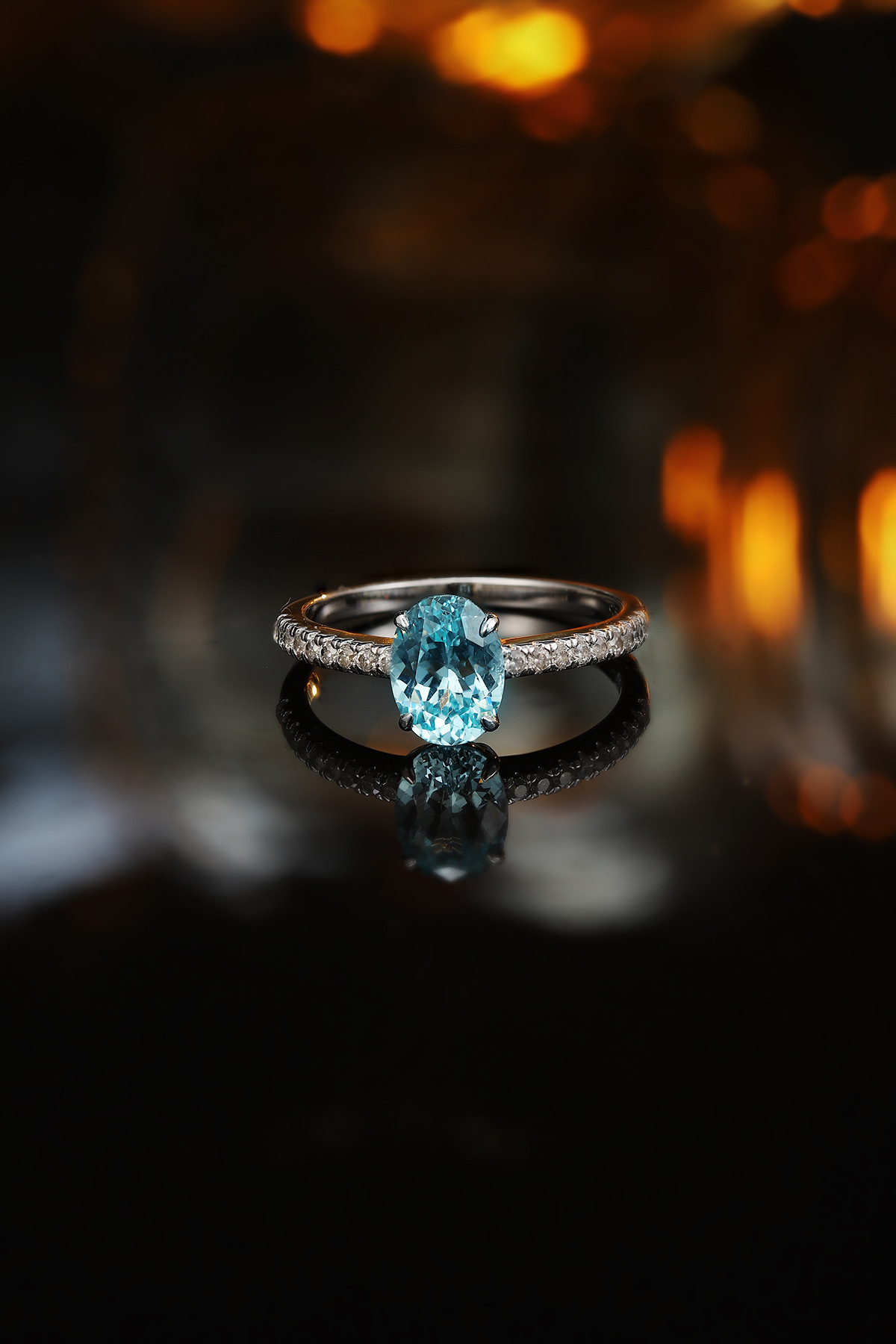
Long-Term Sparkle Retention Comparison
Both gemstones offer reliable long-term performance for daily jewelry wear. The following comparison shows their practical visual stability:
Feature | Lab Grown Diamond | Moissanite |
|---|
Long-Term Durability | Stable | Stable |
Scratch Resistance | Very high | High |
White Light Brilliance | Strong and balanced | Strong and vivid |
Rainbow Fire | Mild | Noticeable |
Daily Wear Suitability | Excellent | Excellent |
Maintenance Requirements | Similar | Similar |
Do Moissanite or Lab Diamonds Turn Cloudy Over Time?
Neither high-quality moissanite nor lab-grown diamond develops internal cloudiness due to aging. Both gemstones feature stable crystal structures that do not degrade under normal wearing conditions.
Any foggy, dull, or hazy appearance is almost always caused by surface buildup, including skin oil, cosmetic residue, sunscreen film, soap residue, and environmental dust. Routine cleaning easily removes these surface layers and restores the original transparent and bright state.
Daily Wear Resistance Performance
Lab diamonds and moissanite are both well-suited for long-term daily jewelry use.
Lab-grown diamonds possess extremely high hardness, helping them maintain smooth polished surfaces and clear facets through years of daily activities.
Moissanite also provides strong wear resistance. It withstands regular daily contact and maintains stable surface conditions with basic care.
For ordinary daily wear scenarios, the practical durability difference between the two gemstones is minimal.
How Cut Quality Influences Long-Term Brightness
Stone cutting quality greatly impacts long-term visual performance, often more than the gemstone type itself. A precisely cut stone delivers better light return, clearer reflections, and more consistent sparkle over time.
Key cutting factors include facet symmetry, proportional balance, surface polishing precision, and optimized light performance. A premium-cut moissanite can appear brighter than a low-grade lab diamond, just as a well-cut lab diamond outperforms poorly polished moissanite.
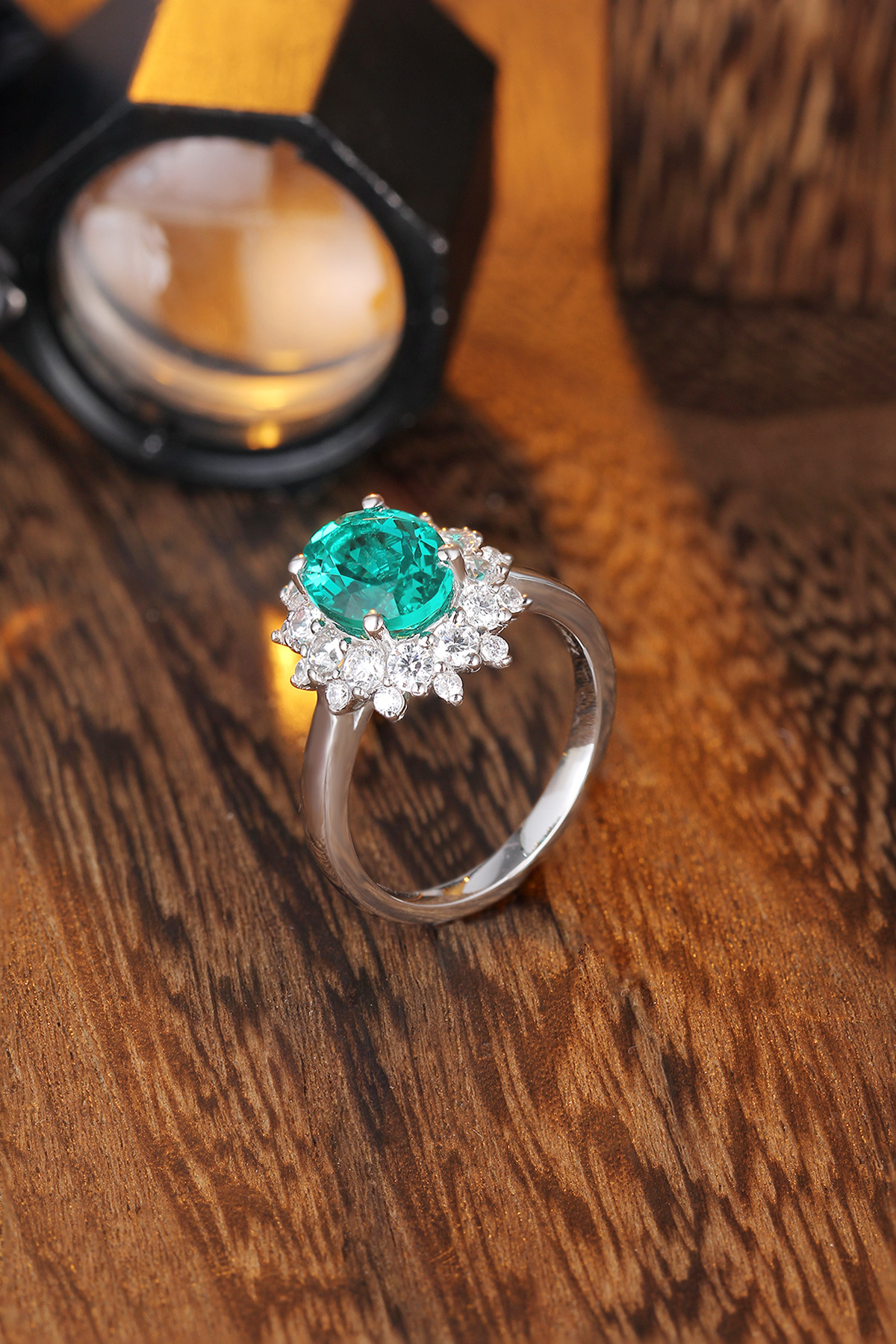
How Maintenance Preserves Long-Term Sparkle
Consistent simple maintenance helps both lab diamonds and moissanite retain stable brightness for years.
Regular CleaningGentle cleaning with warm water and mild soap removes oil layers, dust, and daily residue that block light transmission. Soft brushing and thorough drying keep facets transparent and reflective.
Independent StorageStoring jewelry separately reduces surface dust accumulation and avoids unnecessary friction with other accessories.
Periodic Professional CheckRegular jewelry inspections ensure stable setting conditions and secure prongs, helping maintain consistent gemstone display and protection.
How to Choose: Lab Diamond or Moissanite?
The ideal choice depends on personal aesthetic preference and wearing needs.
Choose Lab-Grown Diamond If You Prefer:Classic diamond aesthetics, pure white balanced brilliance, stable low-fire sparkle, and traditional engagement ring styling.
Choose Moissanite If You Prefer:Vivid rainbow fire, dynamic colorful sparkle, unique visual layering, and high-value aesthetic performance.
Common Misconceptions About Long-Term Gemstone Brightness
Myth 1: Moissanite fades faster than diamondsFact: Quality moissanite maintains stable sparkle with proper daily care and does not dull naturally over time.
Myth 2: Lab diamonds gradually lose shineFact: Lab diamond crystal structure remains stable, and brightness reduction is usually caused by surface dirt rather than internal changes.
Myth 3: Higher price means longer-lasting brightnessFact: Cutting standard and daily maintenance create more visible differences than price alone.
Myth 4: Cleaning only improves temporary appearanceFact: Regular cleaning ensures gemstones continuously display their optimal optical performance throughout their service life.
Final Thoughts
Both lab-grown diamonds and moissanite are capable of maintaining beautiful, stable brightness over many years of wear. Lab diamonds deliver timeless, pure white diamond brilliance, while moissanite offers distinctive rainbow fire and lively sparkle.
Long-term visual performance depends primarily on cut quality, daily maintenance habits, surface cleanliness, and setting protection. For buyers seeking durable, brilliant, and wearable gemstones, both options provide reliable long-term aesthetic value. The better choice comes down to personal preference between classic diamond elegance and unique moissanite color sparkle.










