
购物车
您的购物车还没有商品!
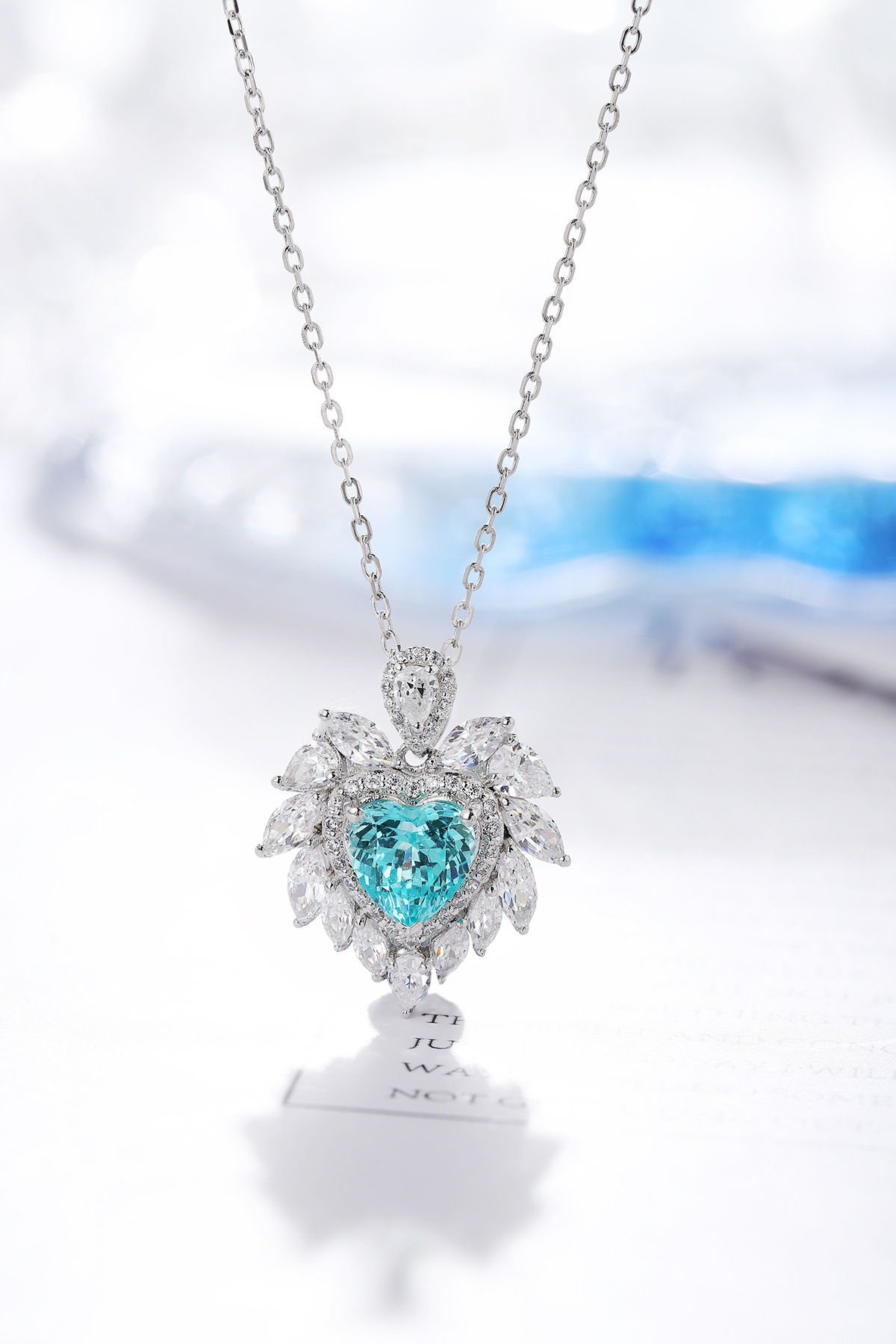
Lab grown diamonds have become a popular choice for engagement rings, wedding bands, earrings, and other fine jewelry. One of the most common questions buyers ask is whether lab grown diamonds are durable enough for everyday wear.
The short answer is yes. Lab grown diamonds are generally well suited to daily use because they have the same fundamental crystal structure and hardness as natural diamonds. However, being highly resistant to scratching does not mean a lab grown diamond is impossible to damage. The diamond's shape, cut, setting, inclusions, and the way the jewelry is worn can all affect its long-term durability.
Understanding these factors can help buyers choose a durable lab grown diamond for everyday wear and maintain its appearance for many years.
Yes, lab grown diamonds are considered highly durable gemstones for everyday jewelry.
A lab grown diamond is made of crystallized carbon with essentially the same chemical composition and crystal structure as a natural diamond. Its laboratory origin does not make it a softer version of diamond.
Diamond ranks at the top of the Mohs scale of mineral hardness, which means it has excellent resistance to scratching. This makes lab grown diamonds suitable for everyday rings, including engagement rings and wedding bands that are worn frequently.
However, hardness is only one part of durability.
A gemstone can be difficult to scratch but still be vulnerable to chipping or damage from a strong impact. For this reason, buyers should consider more than hardness when evaluating a lab grown diamond for daily wear.
It is useful to distinguish between hardness and overall durability.
Hardness refers mainly to resistance against scratching. Diamonds perform extremely well in this area.
Durability, in everyday jewelry terms, also involves resistance to impact, chipping, abrasion, heat, chemicals, and wear affecting the setting or surrounding metal.
This means that a lab grown diamond may remain scratch-resistant while the ring holding it experiences wear. Prongs can become thinner, metal surfaces can develop scratches, and settings can loosen over time.
Therefore, lab grown diamond durability for everyday wear depends on both the gemstone and the complete jewelry design.
Lab grown diamonds are highly resistant to scratching and do not scratch easily under normal everyday conditions.
Regular activities such as wearing a diamond ring to work, walking around town, or performing ordinary household tasks generally do not cause the diamond itself to become scratched.
However, diamonds can still be damaged through contact with other diamonds or certain extremely hard materials. When storing multiple pieces of jewelry together, it is better to keep diamond jewelry separated rather than allowing stones to rub against one another.
The metal surrounding the diamond is much more susceptible to everyday scratches than the gemstone itself.
Yes. Although lab grown diamonds are hard, they are not completely immune to chipping.
Certain shapes have areas that may be more exposed to accidental impact. For example, pointed corners or tips on shapes such as pear, marquise, and princess-cut lab grown diamonds can require additional protection.
The diamond's internal characteristics can also matter. Inclusions located near vulnerable areas may influence how a stone responds to a strong impact.
This does not mean these shapes are unsuitable for everyday wear. Instead, they may benefit from an appropriate setting that protects vulnerable edges and points.
For buyers looking for a durable lab grown diamond engagement ring, the stone's shape and setting should be considered together.
Many diamond shapes can be worn every day, but some designs may offer practical advantages depending on lifestyle.
Round lab grown diamonds are a popular everyday choice because their symmetrical shape works well with many protective setting styles.
Oval diamonds provide an elongated appearance while avoiding sharp corners. They can be an attractive option for an everyday engagement ring.
Cushion-shaped diamonds have rounded corners and can offer a balance between distinctive appearance and practical wear.
Emerald-cut diamonds have broad, open facets and a sophisticated appearance. Their corners should be properly protected by the setting.
These shapes have pointed ends that can benefit from protective prongs or other carefully designed settings.
Princess-cut diamonds have distinctive corners. A secure setting that protects those corners can be especially important for regular wear.
Ultimately, the most durable lab grown diamond shape for everyday wear depends on the complete design rather than shape alone.
Absolutely.
A durable diamond can still become vulnerable if it is held in a poorly maintained or unsuitable setting. The mounting is responsible for keeping the stone secure and protecting it from unnecessary impact.
Several common settings can work well for everyday lab grown diamond jewelry.
Prongs hold the diamond in place while allowing plenty of light to enter the stone. They are popular for engagement rings but should be inspected periodically.
A bezel setting surrounds some or all of the diamond's edge with metal. This can provide additional protection and create a secure profile for everyday wear.
A halo surrounds the center diamond with smaller stones. While visually attractive, halo designs contain more individual settings that require regular inspection and cleaning.
Cathedral settings raise the center diamond above the band and can create an elegant appearance. Because the center stone sits higher, buyers with active lifestyles may prefer a lower-profile alternative.
The best setting depends on the diamond shape, lifestyle, preferred appearance, and desired level of protection.
Yes. Lab grown diamonds are suitable for engagement rings and other everyday fine jewelry because of their hardness and long-lasting physical properties.
An engagement ring is often worn for many years, making durability an important consideration. A lab grown diamond can provide the scratch resistance expected from diamond jewelry while offering buyers a laboratory-grown alternative to mined diamonds.
The ring's overall construction is just as important as the stone itself. A well-made ring with secure prongs, appropriate proportions, and quality metal can help protect the diamond during daily activities.
Normal daily wear is usually not a problem, but certain situations can increase the risk of damage.
These include:
Strong impacts against hard surfaces
Accidental drops onto hard floors
Heavy manual work
Sports or activities involving repeated impact
Improper storage with other hard gemstones
Existing damage or weakened areas around the stone
Loose or worn prongs
Poorly designed settings
A diamond ring should not necessarily be treated as fragile jewelry, but it is still sensible to remove it during activities where significant impact is likely.
Good care can help maintain both the diamond and its setting.
Take off a lab grown diamond ring before heavy lifting, construction, gardening, intense sports, or other activities where the ring could receive a hard impact.
Swimming, especially in open water, can create a different type of risk. A ring may slip off because fingers become colder or because the jewelry catches on something.
Store a lab grown diamond ring separately from other pieces when possible. This reduces unnecessary contact and prevents the diamond from scratching softer gemstones or the jewelry from becoming scratched by harder materials.
Oil, lotion, soap, sunscreen, cosmetics, and other residues can accumulate on the diamond and make it appear less brilliant.
A simple cleaning routine can help maintain the appearance of a sparkling lab grown diamond for everyday wear.
For most routine cleaning, lukewarm water, mild dish soap, and a soft brush are sufficient. Gently clean around the stone and setting, rinse thoroughly, and dry with a soft lint-free cloth.
Regularly check the prongs and mounting. If the diamond moves, rattles, or appears uneven, stop wearing the jewelry until it can be inspected by a qualified jeweler.
A secure setting is an important part of long-term lab grown diamond ring durability.
Lab grown diamonds do not require a completely different basic care routine simply because they were grown in a laboratory.
Since lab grown diamonds have the same fundamental diamond material and hardness characteristics as natural diamonds, standard diamond jewelry care principles generally apply.
The more important issue is the jewelry design. A delicate setting, exposed diamond point, thin band, or worn prong can affect everyday durability regardless of whether the diamond was laboratory-grown or mined.
Therefore, buyers should focus on the quality of the entire ring rather than assuming that laboratory-grown origin determines durability.
When comparing lab grown diamonds with softer gemstones, diamonds have a major advantage in scratch resistance.
This is one reason they remain popular for engagement rings and wedding jewelry. However, hardness should not be interpreted as complete resistance to damage.
For example, a diamond can still chip from a strong blow, while the metal setting can become scratched or bent. A gemstone's suitability for everyday use depends on a combination of hardness, toughness, shape, setting, and care.
If everyday durability is a priority, consider the following factors before purchasing:
| Factor | What to Consider |
|---|---|
| Diamond material | Lab grown diamond has diamond's fundamental hardness |
| Shape | Consider exposed corners and pointed areas |
| Cut | Look for a well-proportioned, well-finished stone |
| Setting | Choose a secure design appropriate for your lifestyle |
| Prongs | Check that they are properly positioned and finished |
| Metal | Select a metal appropriate for your desired durability and maintenance |
| Profile | Lower-profile designs may be practical for active lifestyles |
| Lifestyle | Consider work, sports, hobbies, and daily activities |
| Maintenance | Plan for periodic cleaning and setting inspections |
For an active wearer, a secure and durable lab grown diamond ring setting may be more important than choosing the largest possible center stone.
Size itself does not automatically make a lab grown diamond fragile.
However, a larger stone can have a greater surface area and may extend farther above the finger depending on the ring design. A large, high-profile center stone may therefore experience more accidental contact during everyday activities.
This is particularly relevant when selecting shapes with pointed or exposed areas.
For a large lab grown diamond, a thoughtfully designed setting can provide additional protection while maintaining the desired appearance.
Gemstone quality is only one part of a durable ring.
A beautiful lab grown diamond can still be a poor choice for everyday wear if the setting is poorly constructed. Buyers should look at the complete piece of jewelry, including the stone, mounting, prongs, band thickness, finishing, and overall construction.
For custom or made-to-order jewelry, it can also be useful to discuss lifestyle requirements with the jeweler before finalizing the design.
For example, someone who works with their hands every day may prefer a lower-profile setting with additional protection, while someone with a less active routine may prioritize a more elevated or delicate design.
Lab grown diamonds are durable enough for everyday wear and can be an excellent choice for engagement rings, wedding bands, and other frequently worn jewelry.
Their strong resistance to scratching makes them particularly suitable for daily use. However, they are not completely immune to chipping or impact damage. Diamond shape, internal characteristics, setting design, metal construction, and personal lifestyle all influence long-term durability.
The best approach is to choose a well-made lab grown diamond, pair it with a secure setting suited to the stone's shape, and follow sensible everyday care practices.
In other words, lab grown diamond durability is not only about the gemstone itself. A durable diamond combined with a thoughtfully designed and properly maintained setting can provide a beautiful piece of jewelry that is practical for everyday life.









