
购物车
您的购物车还没有商品!
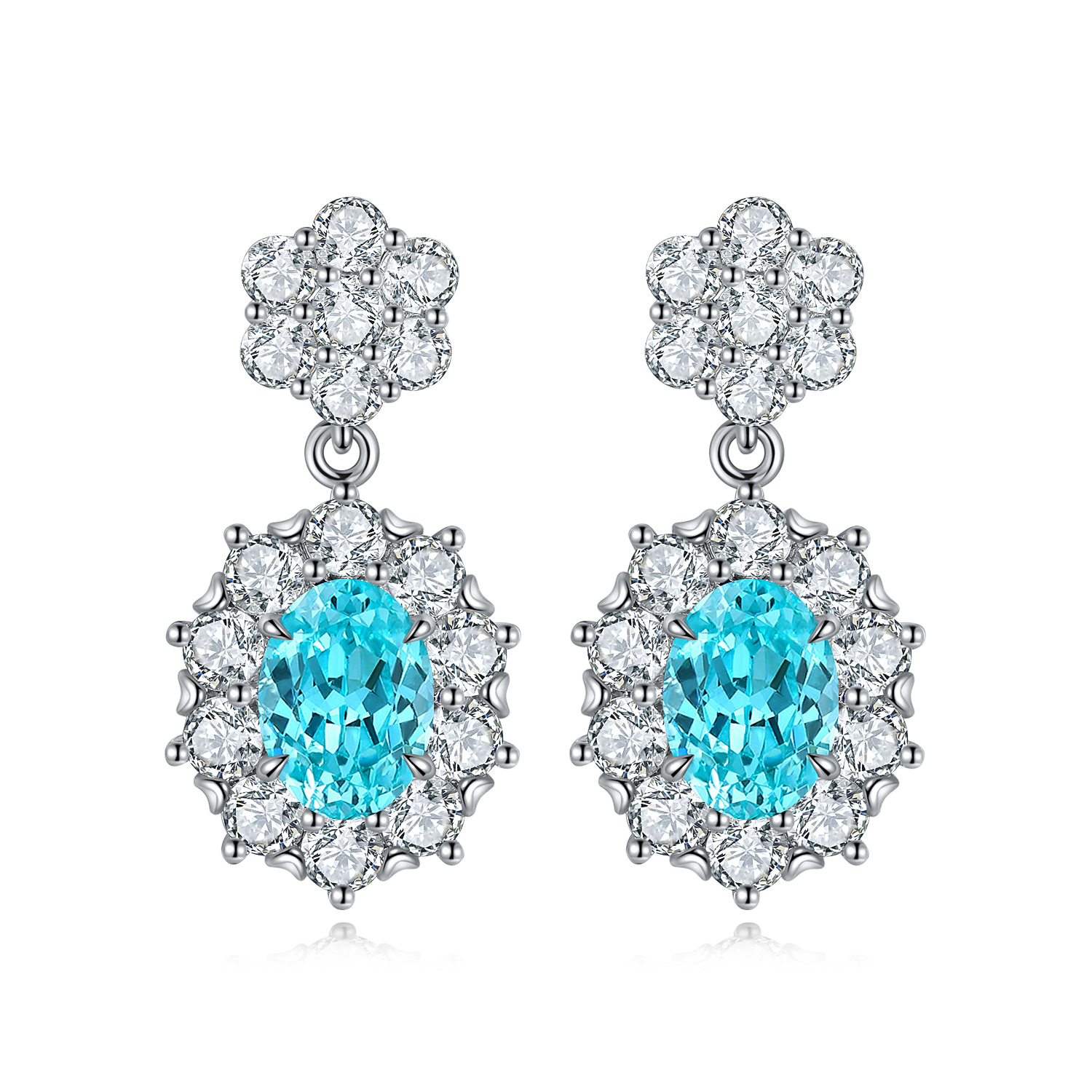
Moissanite is popular for its exceptional brilliance, colorful fire, and impressive durability. Because it is often chosen for engagement rings, earrings, necklaces, and everyday jewelry, many owners want to know how to protect it when it is not being worn.
One surprisingly important part of gemstone care is storage.
A jewelry box may seem like a safe place to keep everything together, but placing several pieces in the same compartment can create unnecessary contact between gemstones and metal components. This raises an important question:
Does moissanite scratch easily when stored with other jewelry?
The short answer is that moissanite is highly resistant to scratching, but it is still possible for improper storage to cause surface damage to the gemstone, its setting, or the other jewelry stored alongside it. The biggest risk is not that moissanite is unusually fragile. Instead, it is that hard gemstones and sharp metal components can rub or strike against one another.
Understanding how to store moissanite jewelry safely can help preserve its brilliance and protect the entire jewelry collection.
Moissanite is a hard gemstone with excellent scratch resistance, making it well suited to everyday jewelry wear.
Its hardness means that normal contact with many common materials is unlikely to leave visible scratches on the gemstone itself.
However, scratch resistance does not mean scratch-proof.
A sufficiently hard or abrasive material can still damage the surface of a moissanite stone. In a jewelry box, the concern is less about ordinary fabric or soft materials and more about contact with other gemstones, metal edges, clasps, prongs, and abrasive particles.
This is why moissanite storage and scratch prevention should still be taken seriously even though the gemstone is highly durable.
Yes, depending on what the moissanite comes into contact with.
Different gemstones have different levels of hardness. If a harder material or a sharp component repeatedly rubs against the moissanite, scratches or abrasions may eventually occur.
Potential sources of contact include:
Other gemstones
Metal prongs
Ring edges
Bracelet clasps
Necklace components
Loose chains
Sharp jewelry findings
Abrasive dust or debris
The risk becomes greater when jewelry is moved around frequently inside the same container.
For example, placing a moissanite engagement ring loosely in a compartment with several other rings allows the pieces to rub against one another whenever the box is opened, moved, or transported.
Diamonds are harder than moissanite, so direct contact between a diamond and moissanite can potentially cause scratching.
This is one of the most important storage considerations for people who own both types of jewelry.
A diamond ring should not simply be placed on top of a moissanite ring or stored directly against it without protection.
The same principle applies when storing diamond earrings, pendants, bracelets, or loose stones alongside moissanite jewelry.
Storing moissanite separately from diamonds is a simple precaution that reduces unnecessary contact and potential surface damage.
Yes.
Moissanite itself is also hard enough to scratch some softer jewelry materials.
This means that separating your jewelry is not only about protecting the moissanite.
For example, a moissanite ring stored together with softer gemstones may cause wear or scratches on those stones if they repeatedly make direct contact.
Potentially vulnerable gemstones include materials that are considerably softer than moissanite.
This is why a good gemstone storage system considers the hardness of all the jewelry being stored, rather than treating every gemstone as equally resistant to scratches.
Gold is relatively soft compared with many gemstones, so direct contact with a hard moissanite stone can potentially contribute to scratches or surface wear on the metal.
This is especially relevant when multiple rings are stored together.
A moissanite ring can move against the band of another ring, producing small scratches on the metal over time. The gemstone itself may remain perfectly clear while the surrounding metal develops visible signs of wear.
For this reason, storing moissanite rings separately can protect both the gemstone and the jewelry setting.
Sterling silver can also be scratched by harder materials.
If a moissanite ring is stored loose inside a jewelry box with silver rings, pendants, or other silver components, repeated contact can contribute to scratches on the metal.
This is particularly noticeable on polished silver surfaces.
Using individual compartments or soft storage pouches helps prevent unnecessary friction between moissanite jewelry and silver pieces.
A jewelry box does not automatically prevent scratches.
In fact, a crowded jewelry box can sometimes create more opportunities for contact.
Consider what happens when several pieces are stored together:
Chains become tangled.
Rings move against one another.
Clasps catch on nearby pieces.
Gemstones rub together.
Jewelry shifts when the box is moved.
Metal edges contact gemstone surfaces.
Over time, repeated movement can create tiny scratches or abrasions.
Even if each individual contact seems insignificant, frequent friction can eventually affect the appearance of jewelry.
Dust may seem harmless, but particles trapped between jewelry surfaces can create additional abrasion.
When a piece of jewelry is moved against another item while dust, sand, or other hard particles are present, those particles can act like a fine abrasive.
This is one reason cleaning jewelry before storage is a useful habit.
Before putting your moissanite ring away, remove visible dirt and residue. Then store it somewhere clean and dry where it will not rub against other pieces.
The safest approach is to give each piece of jewelry its own protected space.
Good storage options include:
Individual jewelry boxes
Separate fabric-lined compartments
Soft jewelry pouches
Ring slots with protective lining
Dedicated earring compartments
Individual necklace storage sleeves
The goal is simple: prevent direct contact between gemstones and metal components.
A soft-lined compartment can provide enough separation to protect a moissanite ring from neighboring jewelry.
Yes, but the design of the jewelry box matters.
A jewelry box with individual compartments is preferable to a large open tray where rings, earrings, and bracelets can move freely.
For an engagement ring or another frequently worn moissanite ring, a dedicated ring slot is particularly useful.
If the box does not have individual sections, a small soft pouch can create an additional layer of protection.
The most important principle is not the brand or style of the jewelry box. It is preventing direct contact and uncontrolled movement.
If you have multiple rings, avoid piling them together.
Instead:
Place each ring in a separate slot.
Use individual soft pouches when compartments are unavailable.
Keep diamond rings separated from moissanite.
Prevent ring bands from rubbing against gemstones.
Check that prongs are not catching on nearby jewelry.
Keep the storage area free of loose debris.
This arrangement also makes it easier to inspect your jewelry regularly.
Necklaces create a different storage problem because chains can become tangled.
A tangled necklace may pull against another piece of jewelry and create unnecessary friction.
For better moissanite necklace storage, keep each necklace separate.
You can use:
Individual pouches
Necklace hooks
Separate compartments
Soft-lined storage sleeves
Keep pendants from rubbing directly against other gemstones.
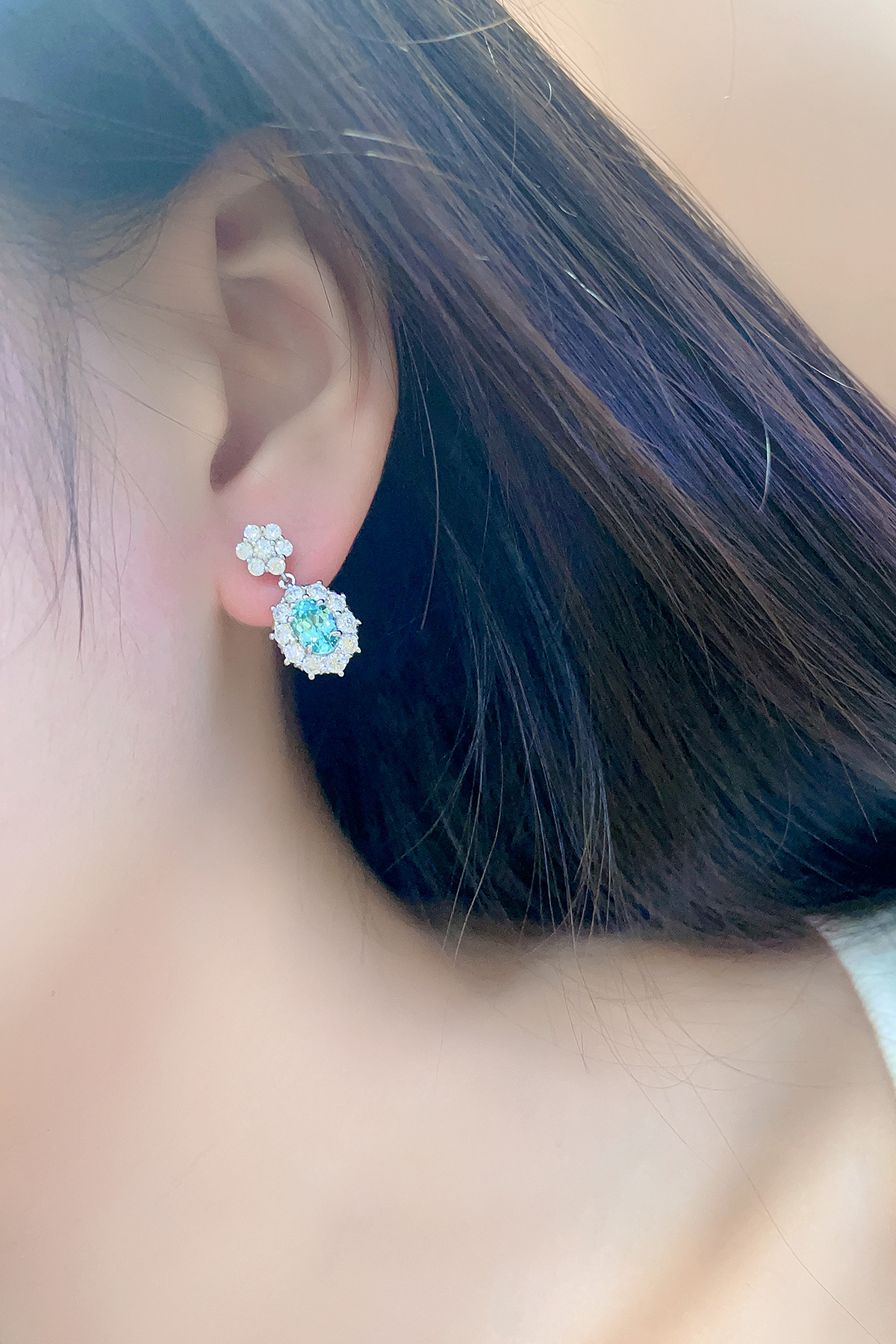
Earrings are generally easier to store separately because they are relatively small.
Place each pair in an individual compartment or earring holder.
Avoid dropping multiple earrings into one container, especially if they contain gemstones with different hardness levels.
Separate storage helps prevent stones, posts, backs, and other metal components from rubbing against one another.
Bracelets can be particularly prone to movement because of their length and flexible construction.
Store them flat or in individual compartments whenever possible.
If a bracelet has a large moissanite centerpiece, make sure the gemstone does not rest directly against another piece of jewelry.
Also check the clasp before storage. A loose clasp can allow the bracelet to move around and contact nearby jewelry.
A good jewelry organizer can significantly reduce the risk of scratching.
Look for features such as:
Soft fabric lining
Individual compartments
Ring slots
Separate necklace sections
Earring holders
Secure closures
Clean, dust-resistant interiors
An organizer is particularly useful for people with larger jewelry collections.
Instead of storing everything in one container, organize pieces according to their type, material, and gemstone hardness.
Ideally, yes.
You do not necessarily need a completely separate jewelry box, but individual compartments are strongly preferable.
Gemstones vary considerably in hardness and durability.
Separating them reduces the chance that one gemstone will scratch another.
A practical arrangement is to keep:
Diamonds in their own sections
Moissanite in separate sections
Softer gemstones individually protected
Metal jewelry away from loose gemstones
Chains separated from rings and earrings
This approach provides a simple scratch-resistant jewelry storage routine without requiring complicated equipment.
Yes, indirectly.
Scratches and surface abrasions can affect how light interacts with a gemstone.
Moissanite is known for its strong brilliance and colorful fire, so maintaining a clean, well-preserved surface helps the stone continue to display its characteristic sparkle.
Proper storage also reduces the chance of:
Scratched surfaces
Damaged prongs
Bent settings
Tarnished metal
Tangled chains
Broken clasps
In other words, protecting moissanite during storage is part of maintaining the overall appearance of the jewelry.
Several common storage habits can increase the risk of damage.
Avoid:
Throwing all jewelry into one container.
Stacking gemstone rings together.
Storing diamonds directly against moissanite.
Leaving jewelry exposed to loose sand or dust.
Keeping damp jewelry in an enclosed container.
Allowing chains to tangle around gemstone jewelry.
Storing jewelry next to abrasive materials.
These habits can create unnecessary friction and increase the likelihood of scratches or setting damage.
Yes.
Cleaning your moissanite jewelry before storage removes substances that could contribute to buildup.
Common contaminants include:
Skin oils
Lotion
Perfume
Sunscreen
Makeup
Sweat
Dust
A gentle cleaning followed by thorough drying is usually sufficient for routine storage.
There is no need to use aggressive cleaning products simply because the jewelry is going into storage.
If a moissanite stone appears scratched, first clean it carefully.
Sometimes what looks like a scratch is actually:
Dust
Oil
Soap residue
Cosmetic buildup
A mark on the metal setting
A reflection from the surrounding jewelry
If the mark remains after cleaning, avoid attempting to polish the gemstone yourself with household abrasives.
Instead, have the jewelry examined by a qualified jeweler or gemstone professional.
Professional inspection can help determine whether the issue involves the gemstone, setting, or another component.
Does moissanite scratch easily when stored with other jewelry?
Moissanite is highly resistant to everyday scratching, but it is not completely scratch-proof. Storing it loosely with other jewelry can create unnecessary contact with harder gemstones, sharp metal edges, prongs, clasps, and abrasive particles.
Diamonds deserve particular attention because they are harder than moissanite and can potentially scratch its surface. At the same time, moissanite can scratch softer gemstones and metals, making separation beneficial for the entire jewelry collection.
The simplest solution is to store moissanite jewelry individually in soft-lined compartments or pouches. Clean the piece before storage, keep it dry, and prevent direct contact with other gemstones whenever possible.
With proper storage habits, you can protect the gemstone's surface, preserve its brilliant light performance, and keep your moissanite jewelry looking beautiful for years of everyday wear.









