
购物车
您的购物车还没有商品!
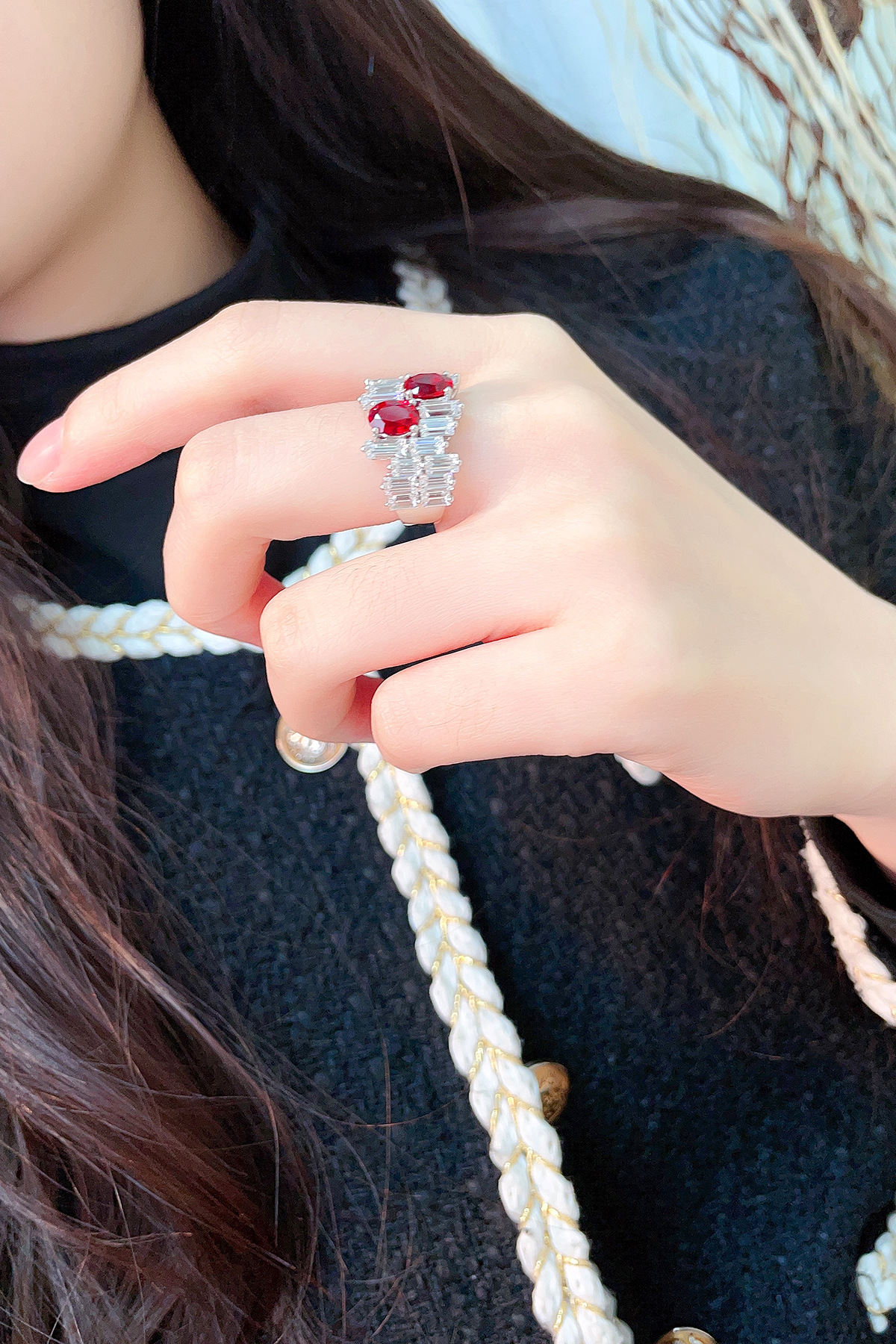
Wuzhou, China has become one of the well-known manufacturing centers for moissanite gemstones, supplying loose stones and finished jewelry components to buyers around the world. With advanced cutting technology and large-scale gemstone production capabilities, Wuzhou moissanite suppliers offer a wide range of options for wholesalers, jewelry brands, and individual buyers.
When sourcing moissanite stones, one important distinction often affects quality, appearance, and pricing:
What are the differences between polished and unpolished Wuzhou moissanite stones?
Understanding the production process, visual characteristics, and practical uses of polished and unpolished moissanite can help buyers make better purchasing decisions.
Wuzhou moissanite refers to moissanite gemstones produced or processed by manufacturers in Wuzhou, China. The region is recognized for gemstone cutting, jewelry manufacturing, and wholesale supply.
Modern moissanite is typically lab created using advanced technology to produce silicon carbide crystals with diamond-like optical properties.
Wuzhou moissanite is commonly used for:
Engagement rings
Earrings
Necklaces
Bracelets
Custom jewelry designs
Wholesale jewelry production
The quality of a moissanite stone depends on multiple factors, including crystal quality, cutting precision, polishing techniques, and quality control standards.
A polished moissanite stone is a finished gemstone that has undergone complete cutting and surface polishing.
During production, manufacturers carefully shape the rough crystal into a specific gemstone cut, such as:
Round brilliant cut
Oval cut
Cushion cut
Emerald cut
Pear cut
Radiant cut
After cutting, the stone surface is polished to create smooth facets that maximize light reflection.
A polished moissanite stone is ready for:
Jewelry setting
Retail sales
Custom designs
Wholesale orders
An unpolished moissanite stone refers to a gemstone that has not completed the final polishing process.
It may exist in forms such as:
Rough moissanite crystal
Partially cut gemstone
Pre-polished stone
Manufacturing-stage material
Unpolished stones are usually used for:
Further processing
Manufacturing research
Custom cutting projects
Industrial or collector purposes
Unlike finished moissanite jewelry stones, unpolished stones do not yet display their final brilliance or sparkle.
The most noticeable difference is appearance.
A polished Wuzhou moissanite stone typically shows:
Strong brilliance
Clear light reflection
Sharp facet patterns
Attractive fire effects
Smooth surface quality
The polishing process allows light to enter and exit the gemstone efficiently, creating the sparkle buyers expect from moissanite jewelry.
An unpolished stone may appear:
Rough
Less transparent
Dull
Uneven on the surface
Without strong sparkle
This does not mean the material is low quality. It simply means the stone has not reached its final jewelry-ready stage.
Moissanite is popular because of its impressive optical performance.
However, brilliance depends heavily on cutting and polishing accuracy.
A properly polished moissanite can achieve:
Better light return
More visible fire
Cleaner appearance
Improved symmetry
Poor polishing or incomplete finishing may reduce the stone's ability to reflect light.
For jewelry buyers, polished moissanite stones provide the visual performance expected from a finished gemstone.
Cut quality is one of the most important factors affecting gemstone appearance.
A polished moissanite requires precise control of:
Facet angles
Symmetry
Proportions
Surface finish
Professional Wuzhou moissanite manufacturers use advanced equipment and skilled craftsmanship to create consistent gemstone shapes.
Unpolished stones have not yet gone through this refinement process, so their final appearance cannot be judged accurately until cutting and polishing are completed.
The price difference between polished and unpolished stones comes from the amount of processing involved.
The price includes:
Crystal material
Cutting labor
Polishing work
Quality inspection
Final grading
Ready-to-use preparation
Unpolished stones may cost less because they require additional processing.
However, buyers must consider:
Cutting costs
Labor expenses
Processing time
Final yield after cutting
For most jewelry businesses, polished stones are more practical because they are ready for production.
For finished jewelry manufacturing, polished moissanite is usually the preferred choice.
Benefits include:
Predictable appearance
Easier quality inspection
Faster jewelry production
Consistent customer experience
Jewelry brands ordering wholesale moissanite generally prefer finished stones because they can immediately evaluate:
Color
Shape
Size
Sparkle
Overall quality
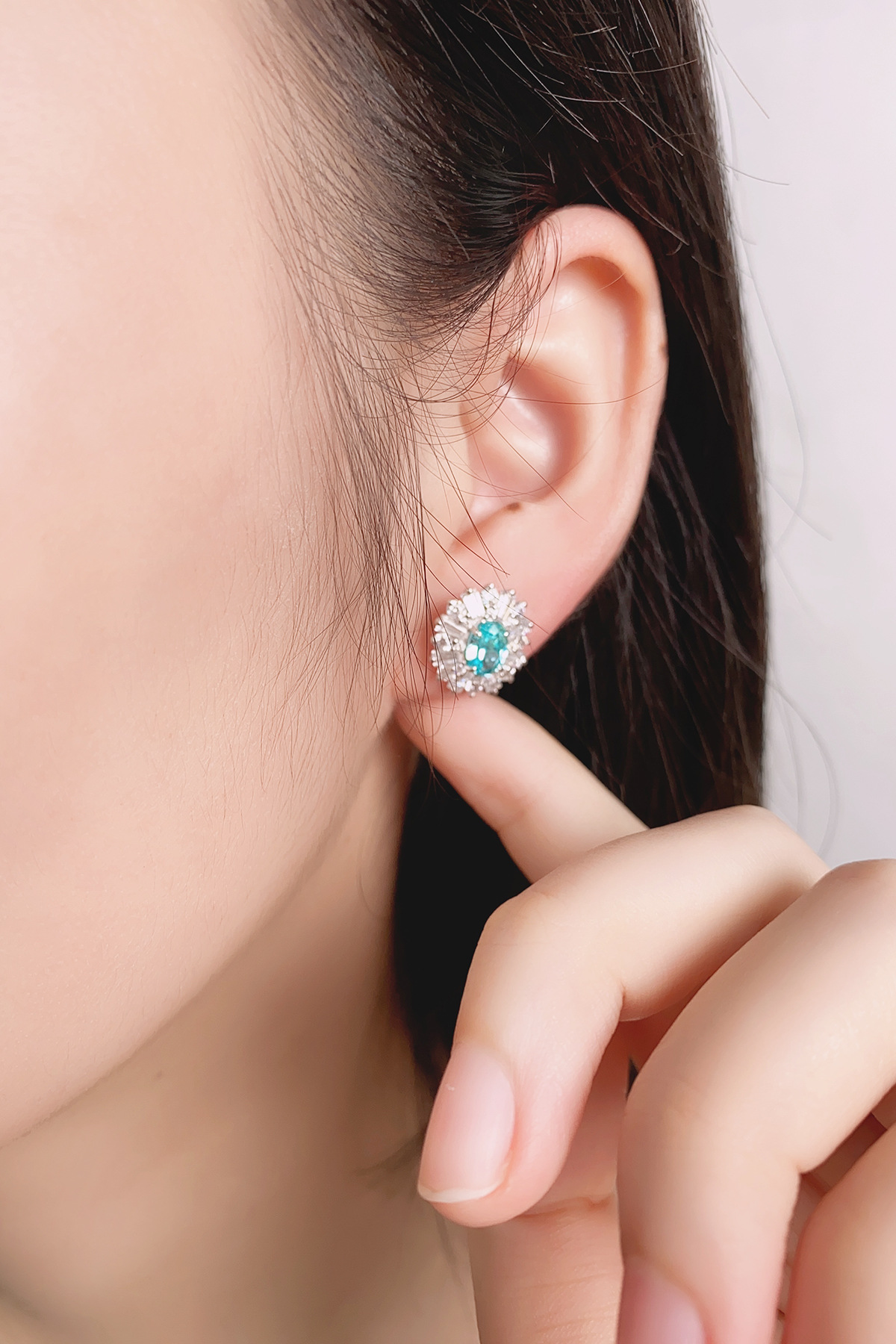
Although polished stones are more common in jewelry applications, some buyers may choose unpolished material for specific reasons.
Possible advantages include:
Experienced cutters may prefer rough material to create unique shapes.
Large manufacturers may process stones according to their own production standards.
Some collectors appreciate the natural appearance of gemstone materials before finishing.
However, purchasing unpolished moissanite requires more technical knowledge.
When purchasing polished stones, buyers should evaluate:
Check:
Symmetry
Facet alignment
Proportions
Overall shape
Look for:
Smooth polishing
No visible scratches
Clean edges
Observe:
Brilliance
Fire
Light reflection
Confirm:
Diameter
Length and width
Depth measurements
Consistent specifications are especially important for wholesale orders.
A reliable supplier should provide:
Clear product specifications
Quality inspection procedures
Sample approval options
Consistent production standards
Transparent communication
Before placing bulk orders, buyers should request samples and compare:
Multiple stones from the same batch
Different sizes
Different cuts
Color consistency
A professional supplier should be able to explain the differences between polished and unpolished options.
A lower price may mean additional processing requirements or inconsistent quality.
Unpolished stones require professional cutting before they achieve jewelry quality.
Photos may not accurately show gemstone performance.
Even high-quality moissanite material can appear less attractive if poorly cut.
Clear specifications help avoid differences between orders.
| Feature | Polished Moissanite | Unpolished Moissanite |
|---|---|---|
| Appearance | Bright and jewelry-ready | Rough or unfinished |
| Sparkle | Strong brilliance and fire | Limited before polishing |
| Usage | Jewelry production and retail | Further processing |
| Price | Higher due to finishing | Lower before processing |
| Buyer Type | Jewelry brands and consumers | Manufacturers and cutters |
| Quality Evaluation | Easier to inspect | Requires technical knowledge |
Wuzhou moissanite stones can be found in both polished and unpolished forms, but they serve different purposes.
Polished moissanite is the preferred option for most jewelry buyers because it offers finished beauty, strong brilliance, and predictable quality. Unpolished moissanite may provide opportunities for custom cutting or manufacturing flexibility but requires additional expertise.
For jewelry brands, wholesalers, and consumers, understanding the difference between polished and unpolished Wuzhou moissanite helps ensure better purchasing decisions.
Whether selecting a finished gemstone for an engagement ring or sourcing materials for custom production, evaluating cutting quality, polishing standards, and supplier reliability is essential for achieving the desired sparkle and long-term value.









