
购物车
您的购物车还没有商品!
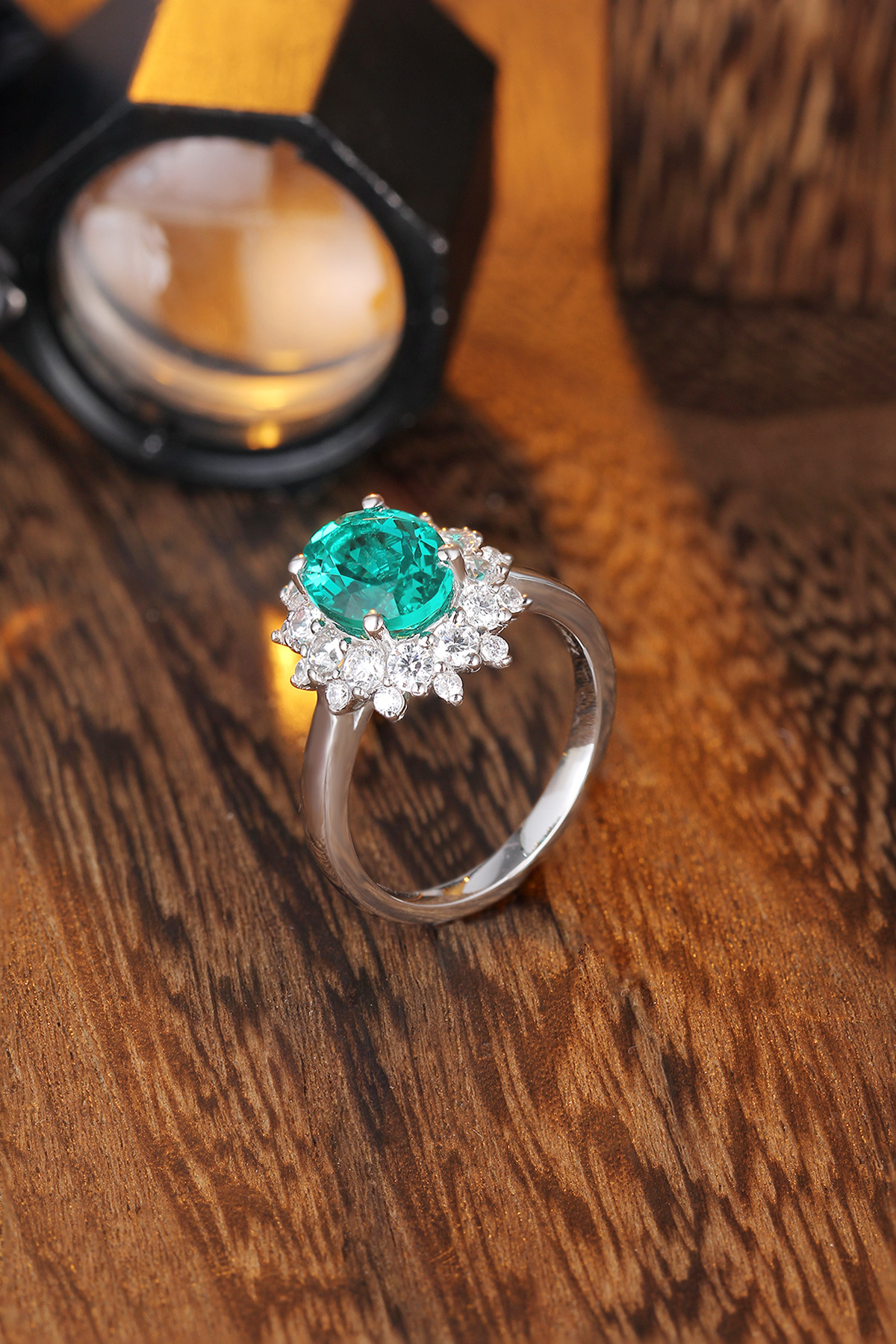
Lab grown diamonds are valued for their brilliance, durability, and modern origin. Like natural diamonds, they are created from carbon in a crystal structure that gives them exceptional hardness and a beautiful interaction with light.
However, many jewelry owners eventually ask an important maintenance question: Can lab grown diamonds be re-polished after chipping?
The answer is more complicated than a simple yes or no. In some cases, a chipped lab grown diamond can be repaired through professional re-polishing or re-cutting. However, the process may change the gemstone's shape, size, carat weight, and overall appearance. The best solution depends on the location and severity of the chip.
Understanding what happens when a lab grown diamond chips, what repair options are available, and how to prevent future damage can help jewelry owners make informed decisions.
Yes, a lab grown diamond can sometimes be re-polished after chipping, but the repair process is not the same as simply cleaning or restoring a scratched surface.
A diamond chip is a physical loss of material from the gemstone. Unlike surface dirt or residue, a chip cannot be removed without changing the stone itself.
Professional jewelers may use techniques such as:
Re-polishing the damaged area
Re-cutting the diamond
Adjusting the facet structure
Modifying the shape to remove the damaged section
The goal is to restore the diamond's appearance and structural integrity while preserving as much of the original stone as possible.
For anyone searching how to repair a chipped lab grown diamond, it is important to understand that professional evaluation is necessary before deciding on a repair method.
Many people assume that because diamonds are one of the hardest gemstones, they cannot chip. However, hardness and toughness are different properties.
Diamond is extremely resistant to scratching, but it can still be vulnerable to sharp impacts in certain areas.
A chip is more likely to occur when:
The diamond receives a strong impact
A pointed corner is struck
The stone has existing internal characteristics
The setting does not provide enough protection
The jewelry is worn during high-impact activities
The risk is often related to the diamond's shape and setting rather than whether the diamond was grown in a laboratory or formed naturally.
No. A properly made lab grown diamond is not inherently more fragile than a natural diamond.
Both types of diamonds have the same basic crystal structure and can experience similar risks.
The factors that influence chipping include:
Diamond cut
Shape
Facet design
Inclusions or internal features
Setting style
Daily wear habits
A round brilliant diamond, for example, has no sharp corners and is generally less exposed to corner damage. In contrast, shapes such as princess, pear, and marquise cuts have areas that may require additional protection.
Therefore, the question is not simply “do lab grown diamonds chip?” but rather “how well is the diamond protected in its specific design?”
Re-polishing a chipped lab grown diamond is a specialized process performed by experienced professionals.
The first step is inspection.
A jeweler or diamond cutter will examine:
The location of the chip
The depth of the damage
The diamond's proportions
The original cut quality
Whether removing the damage would affect the stone's appearance
If the chip is minor, a small amount of material may be removed to restore a smooth surface.
If the damage is larger, the diamond may require re-cutting.
The process may involve reshaping the gemstone to create new facets that blend with the existing design.
The result can be a beautiful repaired diamond, but it may no longer have exactly the same measurements or carat weight as before.
Usually, yes.
Because a chip represents missing or damaged material, repairing it often requires removing additional material to create a stable and attractive shape.
This can result in:
Slightly lower carat weight
Different dimensions
A modified outline
Changes to facet proportions
For some owners, preserving the diamond's original size may be the priority. For others, restoring symmetry and beauty may be more important.
A professional assessment can help determine whether the repair is worthwhile.
In many situations, a skilled diamond cutter can significantly improve the appearance of a chipped stone.
A successful repair may restore:
Smooth edges
Balanced proportions
Improved light reflection
A cleaner overall appearance
However, it is important to have realistic expectations.
A repaired diamond may not always return to its exact original condition. The final result depends on the extent of the damage and how much material must be removed.
The quality of the repair work also matters.
An experienced professional can help preserve the diamond's brilliance while minimizing unnecessary changes.
Some diamond shapes naturally have areas that require extra protection.
Princess cuts have sharp corners that can be vulnerable if they are exposed.
A protective setting, such as secure corner prongs or a bezel design, can help reduce risk.
Pear shapes feature a pointed tip that requires careful protection.
A well-designed setting should include a secure prong at the tip.
Marquise diamonds have two pointed ends. These tips can be more exposed to accidental impacts.
Step cuts often have larger, open facets and corners that may require thoughtful setting choices.
Round diamonds generally avoid sharp corners, which can make them a practical option for people seeking a durable everyday design.
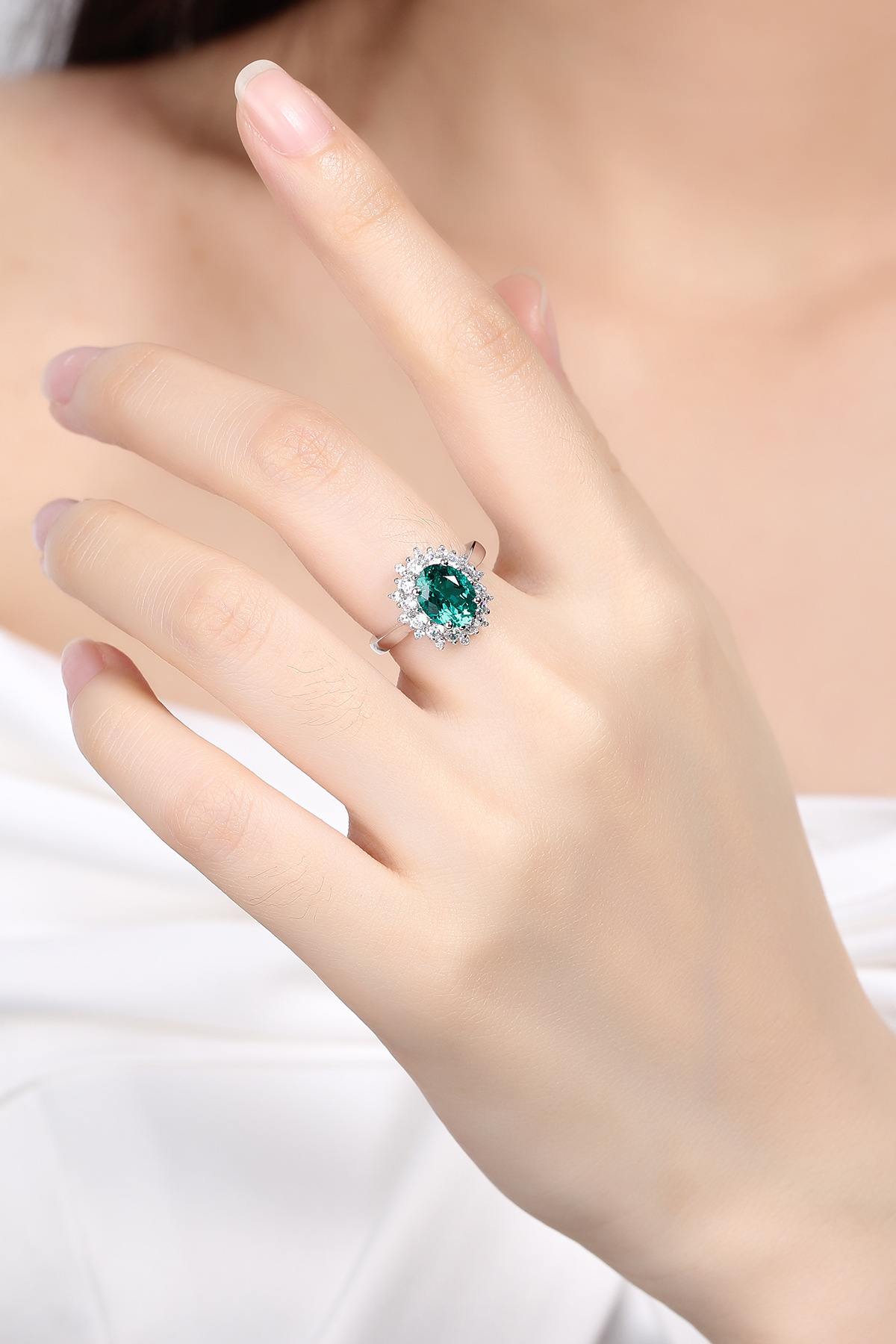
Yes, the setting plays an important role in protecting the gemstone.
A well-designed setting can help shield vulnerable areas from direct impact.
Common protective options include:
A bezel setting surrounds part or all of the diamond with metal, offering additional protection.
A halo design can provide extra visual framing and some protection around the center stone.
Properly placed prongs can protect corners and keep the diamond firmly in place.
When selecting a lab grown diamond engagement ring for everyday wear, the setting should be considered as carefully as the diamond itself.
Yes, minor surface issues may sometimes be improved through professional polishing.
However, scratches and chips are different.
A scratch is usually a surface mark, while a chip involves a small section of the gemstone breaking away.
Professional cleaning may remove residue and improve brilliance, but it cannot repair a missing piece of diamond.
This distinction is important when evaluating whether a lab grown diamond needs cleaning, polishing, or re-cutting.
The best choice depends on several factors.
Consider:
The value of the diamond
The extent of the damage
The sentimental importance of the jewelry
The cost of repair
The possibility of replacement
For a meaningful engagement ring or family jewelry piece, repair may be worthwhile because preserving the original stone has emotional value.
For a smaller or less expensive diamond, replacement may sometimes be a more practical option.
A jeweler can help compare the costs and benefits.
Prevention is usually easier than repair.
Helpful habits include:
Take rings off before activities involving heavy impact, tools, sports, or physical work.
When buying or designing a ring, consider how well the setting protects the diamond.
Loose prongs or worn settings can increase the risk of damage.
Even durable gemstones can be damaged by sudden force.
Regular cleaning helps maintain brilliance and allows you to notice potential setting problems early.
Coverage depends on the specific insurance policy.
Some jewelry insurance plans may cover accidental damage, while others may not.
Before purchasing or wearing an expensive lab grown diamond ring regularly, review:
Accidental damage coverage
Repair coverage
Replacement terms
Required documentation
Appraisal requirements
Understanding coverage beforehand can make unexpected repairs easier to manage.
If you want a lab grown diamond that can handle daily use, consider more than just appearance.
Important factors include:
Shape
Setting style
Diamond proportions
Protection of corners and edges
Lifestyle needs
A beautiful diamond should also fit the way you live.
For someone who wears a ring constantly, a secure setting and practical design may be just as important as the diamond's size and sparkle.
Can lab grown diamonds be re-polished after chipping?
In many cases, yes, but the repair process involves more than simple polishing. A chipped lab grown diamond may require professional re-polishing or re-cutting, which can change its size, shape, and proportions.
The good news is that lab grown diamonds are not automatically more vulnerable than natural diamonds. With the right setting, careful handling, and regular maintenance, they can remain beautiful for many years.
For anyone considering a lab grown diamond ring, understanding the risks of chipping and the available repair options can help protect both the gemstone and the meaning behind the jewelry.









