Can you tell moissanite and lab-grown diamond apart with the naked eye? The clear answer is: most ordinary people cannot tell them apart in daily indoor lighting, but obvious visual differences appear under strong natural light or direct spotlight. High-quality colorless moissanite and well-cut lab-grown diamonds look extremely similar at first glance. However, their optical structures, fire performance, and light reflection styles are fundamentally different. This article shares professional naked-eye identification methods to help you distinguish the two stones accurately.
1. Core Visual Difference: White Brilliance vs Rainbow Fire
The biggest naked-eye difference between lab-grown diamond and moissanite lies in light performance.
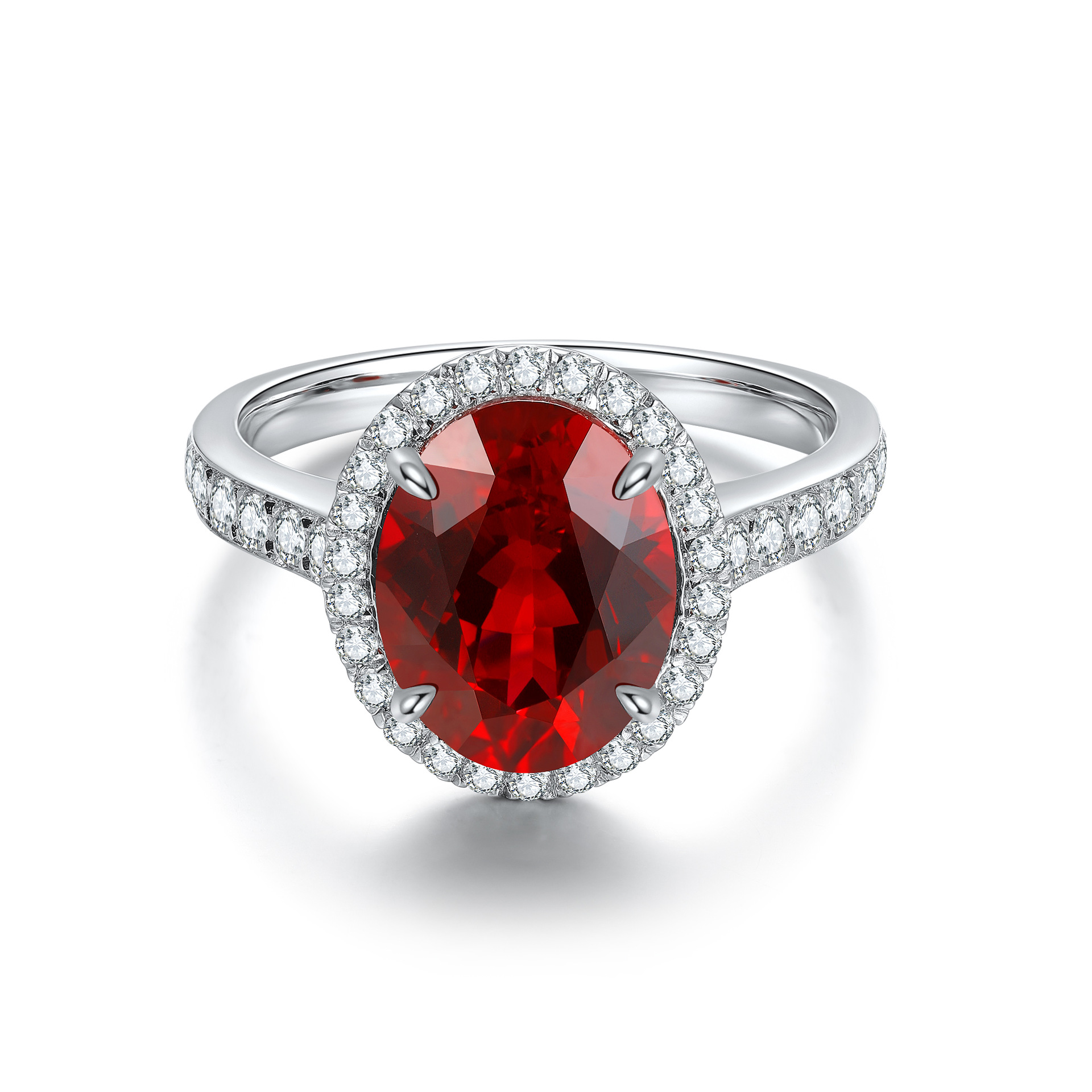
Lab-grown diamonds have the same optical properties as natural diamonds. They produce classic, pure white brilliance with soft, stable flashes. The sparkle is clean, elegant, and never overly colorful. This standard diamond light performance fits traditional wedding and fine jewelry aesthetics perfectly. No matter how you rotate the stone, the reflected light remains mainly white and bright.
Moissanite has a much higher dispersion rate, more than twice that of diamonds. Under bright sunlight, flashlight, or stage lighting, moissanite shows intense rainbow fire with obvious red, blue, and colorful flashes. This vibrant, disco-like sparkle is the most typical feature that distinguishes moissanite from lab diamonds.
For stones under 1 carat, the difference is subtle. For stones 1 carat and above, the rainbow flash of moissanite becomes very noticeable to the naked eye.
2. Single Refraction vs Double Refraction
Professional jewelers rely on this key feature for naked-eye judgment.
Lab-grown diamonds belong to single refraction gemstones. When you observe the facets and lines inside the stone, all lines are clear, sharp, and unified without duplication.
Moissanite is a double refraction gemstone. Although invisible to casual viewers, close observation shows slight "double-line blur" on the facet edges and internal lines. This subtle duplicate vision is unique to moissanite and never appears on real diamonds, including lab-grown ones.
3. Different Performance in Different Lighting Scenarios
You can easily tell the two stones apart by switching lighting environments:
Indoor soft light: Both stones look bright, clean, and highly similar. It is almost impossible to distinguish with the naked eye. This is why many people mix up moissanite and lab diamonds in daily life.
Sunlight / strong spotlight: Moissanite bursts with rich rainbow colors and looks extremely gorgeous. Lab-grown diamond maintains steady white brilliance without messy color flashes.
Night ambient light: Moissanite appears flashier and more eye-catching, while lab diamonds show gentle and premium shimmer.
4. Why They Look Identical to Most People
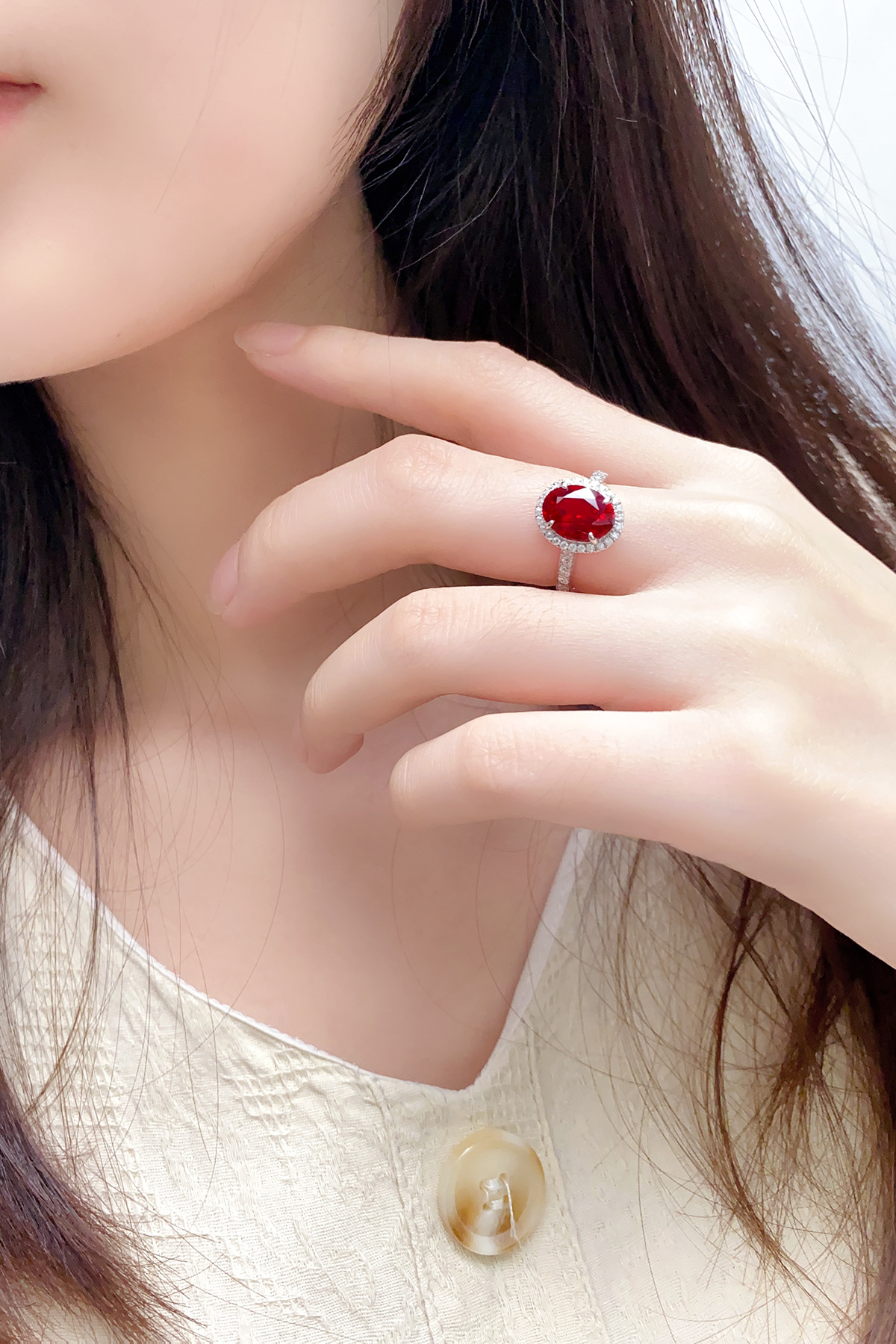
Modern premium moissanite adopts ideal diamond cutting techniques, with precise facet proportions and excellent polish. This greatly narrows the visual gap with lab-grown diamonds. For ordinary buyers who do not view gemstones professionally, the two stones present the same transparent, crystal-clear, and luxurious texture.
Moreover, thermal diamond testers cannot fully distinguish them either. Both moissanite and lab diamonds pass thermal tests, making visual observation the most convenient daily identification method.
5. Professional Buying Suggestions from Wuzhou Jewelry Factory
As a professional gemstone and jewelry manufacturer in Wuzhou, we summarize practical selection advice for buyers:
Choose lab-grown diamond if you prefer classic pure white diamond sparkle, formal wedding ritual sense, and timeless premium texture. It is indistinguishable from natural diamonds in appearance and properties.
Choose high-quality moissanite if you love super brilliant, eye-catching rainbow sparkle and want large carat sizes on a friendly budget. Moissanite delivers more vivid visual impact than standard diamonds.
We support custom cutting, ring setting design, laser engraving, and wholesale orders for both moissanite and lab diamond rings. All stones are strictly inspected to ensure top-tier visual performance.










