
Cart
Your shopping cart doesn't have any products yet!
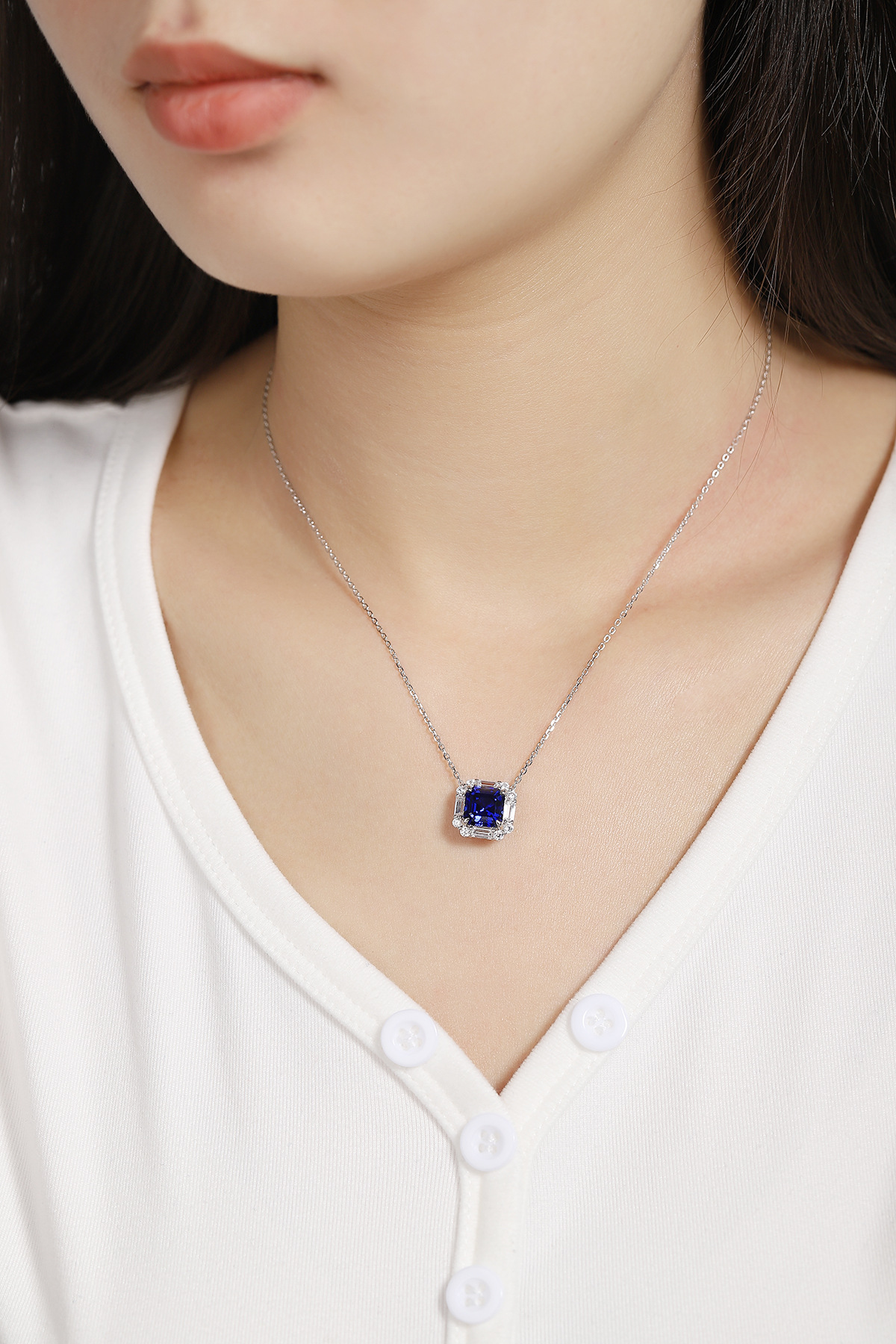
Moissanite is a popular gemstone for engagement rings, wedding bands, earrings, and other everyday jewelry because of its brilliance, durability, and affordability. However, people who plan to wear moissanite jewelry for many years often ask an important question: Will moissanite turn yellow after years of wear?
The short answer is that quality moissanite is not expected to gradually turn yellow simply because it is worn for a long time. Its color is generally stable under normal everyday conditions. However, a stone may appear yellowish, cloudy, or less brilliant over time because of surface buildup, lighting conditions, the surrounding metal, or characteristics of the original gemstone.
Understanding the difference between a genuine change in the gemstone and a temporary change in appearance can help you maintain your moissanite jewelry and make informed purchasing decisions.
High-quality moissanite is a durable gemstone made from silicon carbide. Its color depends on the material's characteristics and any relevant manufacturing or treatment processes. A well-made, colorless moissanite is not expected to develop a yellow tint simply from years of normal wear.
Unlike some materials that may discolor with age or environmental exposure, moissanite generally maintains its appearance under ordinary jewelry-wearing conditions. Everyday exposure to indoor lighting, sunlight, and normal temperature changes should not cause a properly manufactured stone to gradually become yellow.
However, not every moissanite stone starts with exactly the same color. Some stones are intentionally produced in warmer shades, while others may have a subtle tint that becomes more noticeable under particular lighting.
If a stone appears yellow after several years, it is important to determine whether the color was present from the beginning, whether something has accumulated on the surface, or whether another part of the jewelry is affecting its appearance.
Even when the gemstone itself has not permanently changed color, several factors can make moissanite appear warmer or less bright.
One of the most common reasons moissanite loses its bright appearance is surface contamination.
Hand lotion, sunscreen, makeup, natural skin oils, soap residue, and household grime can accumulate on the gemstone. Because these substances interfere with the way light enters and exits the stone, the moissanite may appear dull, hazy, or slightly yellowish.
This is especially common with rings because they are frequently exposed to skincare products, handwashing, cooking, and other daily activities.
In many cases, gentle cleaning restores much of the original sparkle. If the appearance improves significantly after cleaning, surface buildup was likely contributing to the problem.
Lighting can change how a gemstone's color is perceived. Under warm indoor lighting, a colorless or near-colorless moissanite may appear warmer than it does under neutral white light.
Yellow walls, wooden furniture, colored clothing, and nearby objects can also influence the color your eyes perceive.
For a fair comparison, examine the stone under consistent neutral white lighting and compare it with its appearance in natural daylight. Avoid judging color under only one light source.
The metal surrounding a moissanite can influence its overall appearance.
Yellow gold may create warm reflections around the edges of a colorless stone, while rose gold can introduce pinkish tones. White gold and platinum generally provide a cooler-looking setting, although the final appearance depends on the design and the gemstone's proportions.
This does not necessarily mean that the moissanite has changed color. Instead, the surrounding metal may affect the way the stone looks when viewed from certain angles.
Moissanite is available in different color appearances, ranging from colorless to warmer shades. Some stones may also show subtle color differences depending on their manufacturing characteristics and any treatments used.
If a stone appeared slightly warm when it was purchased, that tint may become more noticeable under certain lighting conditions or when compared with a newer, more colorless gemstone.
For this reason, buyers should review the stone's stated color description and examine the actual gemstone rather than assuming that all moissanite is completely colorless.
Many jewelry owners wonder whether wearing moissanite outdoors for years can cause it to turn yellow.
Under ordinary everyday exposure, sunlight is not expected to make quality moissanite gradually yellow. Wearing a moissanite ring during normal outdoor activities should not, by itself, cause the gemstone to lose its original color.
However, sunlight can warm the jewelry, and outdoor conditions may expose it to sunscreen, sweat, dust, and other surface contaminants. These substances can reduce the stone's apparent brightness.
It is also important to distinguish sunlight from high-temperature industrial processes or uncontrolled exposure to extreme heat. These are different conditions and should not be treated as equivalent.
If your moissanite appears warmer after spending time outdoors, clean it gently and reassess it under consistent lighting before assuming that UV exposure has permanently changed the stone.
Perfume, cosmetics, and skincare products can affect how moissanite looks, but they do not normally cause a quality stone to turn permanently yellow through routine contact alone.
Products containing oils or film-forming ingredients may leave residue on the surface. Some household chemicals can also affect the metal setting, especially when used repeatedly or contrary to the manufacturer's care instructions.
To reduce buildup and protect the overall jewelry piece:
Apply perfume, lotion, sunscreen, and other cosmetics before putting on your jewelry.
Allow skincare products to dry before wearing rings or necklaces.
Remove jewelry before using harsh household cleaners.
Avoid mixing cleaning chemicals or using unverified cleaning solutions.
Rinse away suitable cleaning solutions thoroughly and dry the piece with a soft, lint-free cloth.
The setting matters as much as the gemstone. Some jewelry designs contain delicate components, coatings, adhesives, or accent materials that require more cautious cleaning than a simple, unmounted moissanite.
If your moissanite looks yellow after years of wear, do not immediately assume the gemstone has permanently changed. A simple inspection can help narrow down the possible cause.
Use lukewarm water, a small amount of mild dish soap, and a soft brush suitable for jewelry. Gently clean the stone, paying attention to the underside and the area where the gemstone meets the setting.
Rinse thoroughly and dry with a clean, lint-free cloth. If the piece has special treatments or delicate components, follow the jeweler's care instructions instead.
Examine the clean stone under neutral white lighting and, if possible, in natural daylight. Avoid comparing the stone under different lighting conditions, since warm bulbs can make color differences appear more pronounced.
Look at the gemstone face-up and from the side. A warm reflection from yellow gold or another nearby surface may be more noticeable from certain angles.
If the stone looks colorless face-up but warmer around the edges, the setting may be contributing to the effect.
Inspect the prongs, metal surface, and any nearby accent stones. Tarnish, worn plating, residue, or reflections from the metal may change the overall appearance of the jewelry.
White gold, for example, may have a rhodium finish that wears over time. If the metal becomes warmer-looking, the jewelry may need professional maintenance even though the moissanite itself remains unchanged.
If the yellow appearance remains after cleaning and comparison under consistent lighting, consult a qualified jeweler or gemologist. They can examine the stone for possible surface damage, unusual material characteristics, treatments, or other issues.
Do not attempt aggressive polishing or chemical treatment at home to remove a suspected color change.
Color and durability are different characteristics. A warmer-looking moissanite is not automatically weaker, and a colorless moissanite is not necessarily more durable than one with a visible tint.
Moissanite has high scratch resistance, making it suitable for many types of everyday jewelry. Nevertheless, it can still chip or sustain damage from a sufficiently hard impact, and the security of the setting affects how well the stone is protected.
Long-term appearance depends on several factors:
The original color and quality of the gemstone.
The presence of surface residue or deposits.
The condition and color of the setting.
The way the jewelry is cleaned, stored, and worn.
The stone's exposure to impacts and unsuitable chemicals.
When selecting a moissanite stone for an engagement ring or another piece intended for daily wear, consider both its initial appearance and the practicality of the setting. A secure design and a simple care routine can help maintain the jewelry's appearance over many years.
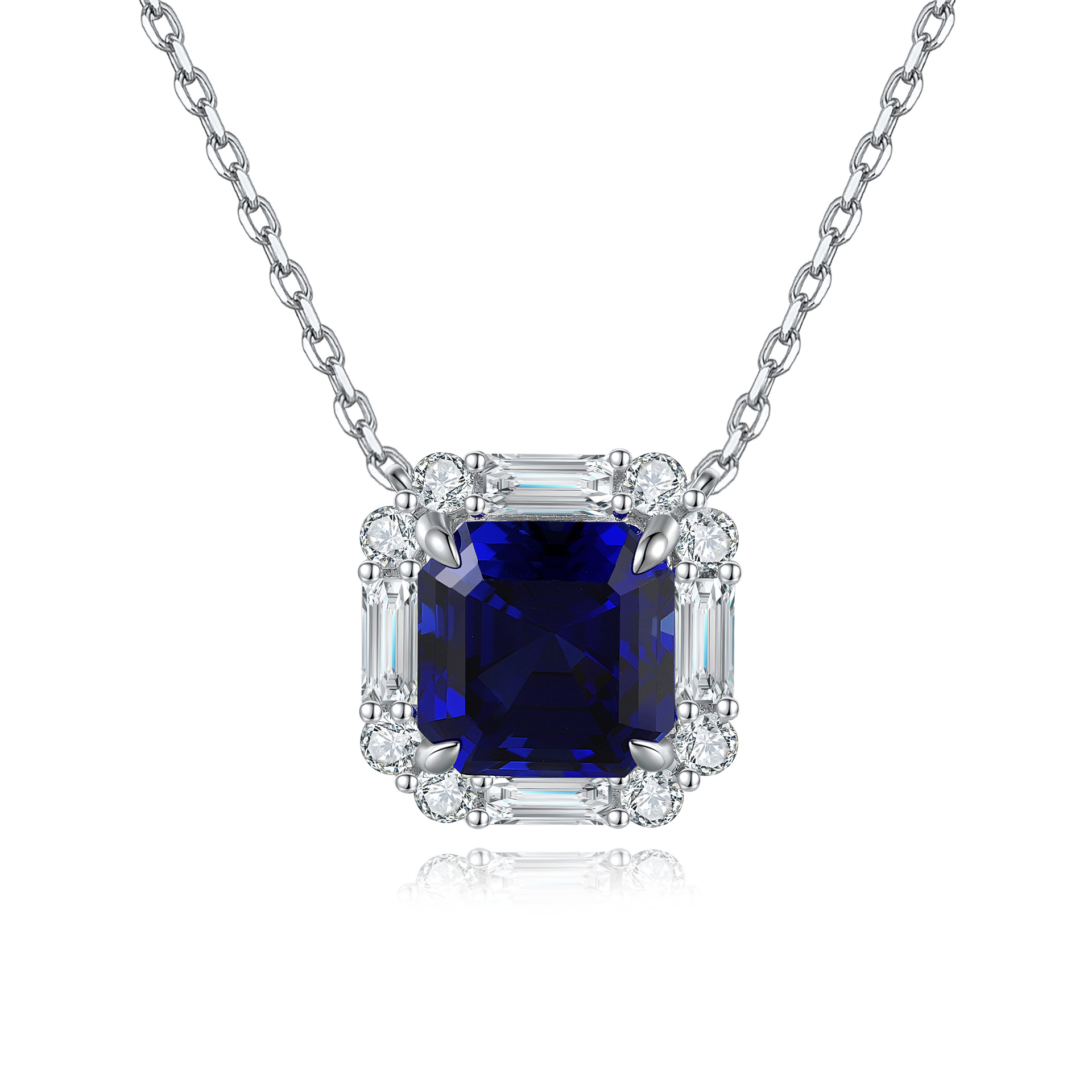
Although moissanite is generally color-stable, regular maintenance helps preserve its brightness and appearance.
Clean frequently worn jewelry whenever you notice residue or reduced sparkle. For many pieces, occasional gentle cleaning is sufficient, but rings worn every day may require more frequent attention.
Keep moissanite jewelry in a soft-lined box or individual pouch to reduce contact with other pieces. Although moissanite is highly scratch-resistant, the metal setting and other gemstones may still be vulnerable to scratches or damage.
Take off rings before heavy manual work, contact sports, or activities that could expose the stone to strong impacts. This reduces the risk of chips and setting damage.
Have a jeweler check the prongs, bezel, or other setting components periodically, especially if the piece is worn every day. A loose setting can allow the stone to move, increasing the chance of damage or loss.
Do not use bleach, strong acids, abrasive powders, or unverified cleaning products. These can damage certain metals or other jewelry components and may leave residues that affect appearance.
Colorless moissanite is a popular option for engagement rings, wedding bands, and other jewelry because it offers strong brilliance and a bright appearance without the cost of a comparable diamond.
For long-term wear, the key is to purchase a stone with a color appearance that matches your expectations, verify the supplier's specifications, and choose a suitable setting.
If you prefer a bright white appearance, examine the stone under more than one light source before purchasing. Ask the seller how its color is described and whether any relevant treatment information is available.
If you prefer a warmer look, a warmer-toned moissanite or yellow-gold setting may suit your style better. Neither choice is inherently superior; the right option depends on personal preference and the intended design.
Most importantly, do not confuse a temporary loss of sparkle with permanent yellowing. Surface contamination, lighting, and metal reflections are often worth checking before concluding that the gemstone itself has changed.
Will moissanite turn yellow after years of wear? Quality moissanite is not expected to turn yellow simply because it has been worn for a long time. Its color is generally stable under normal everyday conditions.
When moissanite looks yellow or dull, common explanations include oil and skincare residue, warm lighting, reflections from the setting, or the stone's original color characteristics. Gentle cleaning, consistent lighting, and a quick inspection of the metal setting can help identify the cause.
To maintain your moissanite jewelry, clean it appropriately, store it carefully, avoid unnecessary exposure to harsh chemicals, and arrange periodic setting inspections. If discoloration persists after cleaning, seek a professional assessment instead of attempting aggressive treatments yourself.
With sensible care and a well-made setting, moissanite can remain an attractive choice for jewelry designed to be worn for many years.
Quality moissanite is not expected to yellow simply because of age or normal wear. A yellowish appearance may instead come from surface residue, lighting, the setting, or the stone's original color.
If the yellow appearance is caused by oil, dirt, or other surface buildup, gentle cleaning may restore its original appearance. If the color is inherent to the stone or related to another material characteristic, cleaning will not necessarily change it.
Ordinary sunlight exposure is not expected to make quality moissanite gradually yellow. However, outdoor wear can lead to residue buildup that temporarily reduces brightness.
Warm-colored bulbs and reflections from yellow or rose gold can make moissanite appear warmer. Compare the clean stone under neutral white lighting and natural daylight before concluding that its color has changed.
Yes. Moissanite is a popular option for daily-wear rings because of its high scratch resistance and brilliance. A suitable setting, careful handling, and regular maintenance help protect the gemstone over time.
Clean it when you notice reduced sparkle or visible residue. Jewelry worn daily may need more frequent cleaning than pieces worn occasionally. Use gentle methods appropriate for the entire jewelry piece.









