
Lab-grown diamonds, moissanite & lab colored gemstones. Custom jewelry factory.

Cart

Your shopping cart doesn't have any products yet!
Does Dust Buildup Dull Lab Grown Diamonds?

Does Dust Buildup Dull Lab Grown Diamonds?

Oct 08, 2026

Lab grown diamonds are valued for their exceptional brilliance, durability, and diamond-like beauty. Whether used in engagement rings, wedding bands, earrings, or everyday jewelry, these diamonds are designed to maintain their sparkle for many years.

However, many jewelry owners notice that their diamond sometimes appears less bright after regular wear and wonder: “Does dust buildup dull lab grown diamonds?”

The answer is yes, dust and surface residue can temporarily reduce the sparkle of a lab grown diamond, but they do not damage the diamond itself. A simple cleaning routine can usually restore the stone’s original brilliance.

Understanding how dust affects light reflection, how to clean lab grown diamonds properly, and how to prevent buildup can help keep jewelry looking bright and beautiful.

Can Dust Make Lab Grown Diamonds Look Dull?

Yes, dust buildup can make a lab grown diamond appear less brilliant.

A diamond’s sparkle comes from its ability to reflect and return light through its carefully designed facets. When dust, oil, lotion, soap residue, or other particles collect on the surface, they can create a thin layer that interferes with light entering and leaving the stone.

The result may include:

  • Reduced sparkle

  • Less visible fire

  • A cloudy appearance

  • Lower brightness

  • A less clean-looking surface

However, this effect is temporary. Dust does not change the structure, hardness, or quality of a lab grown diamond.

Once the surface is cleaned, the diamond can regain its original brilliance.

Why Does Dust Affect Lab Grown Diamond Sparkle?

Lab grown diamonds have the same optical properties as mined diamonds. Their brilliance depends on how light interacts with the diamond’s facets.

A clean diamond allows light to:

  • Enter through the surface

  • Reflect internally

  • Return toward the viewer

  • Create flashes of brightness and fire

Dust particles can block or scatter some of this light.

The problem is not that the diamond becomes weaker or damaged. Instead, the surface becomes less effective at transmitting light.

This is why a clean lab grown diamond ring appears brighter than one covered with everyday residue.

What Types of Buildup Can Dull Lab Grown Diamonds?

Dust is only one factor that can reduce sparkle. Everyday activities can introduce different types of buildup.

Dust and Environmental Particles

Airborne dust, dirt, and small particles can settle on jewelry surfaces, especially around the setting.

Skin Oils

Natural oils from the skin can create a thin film over time.

This is especially common on rings because they are constantly exposed to hand contact.

Lotion and Skincare Products

Moisturizers, sunscreen, and beauty products can stick to the diamond surface and reduce brilliance.

Soap and Cleaning Product Residue

Frequent hand washing may leave behind residue that affects the stone’s appearance.

Makeup and Hair Products

Earrings and necklaces may collect cosmetic products that create a dull surface layer.

These substances do not damage the lab grown diamond but can affect its visual performance.

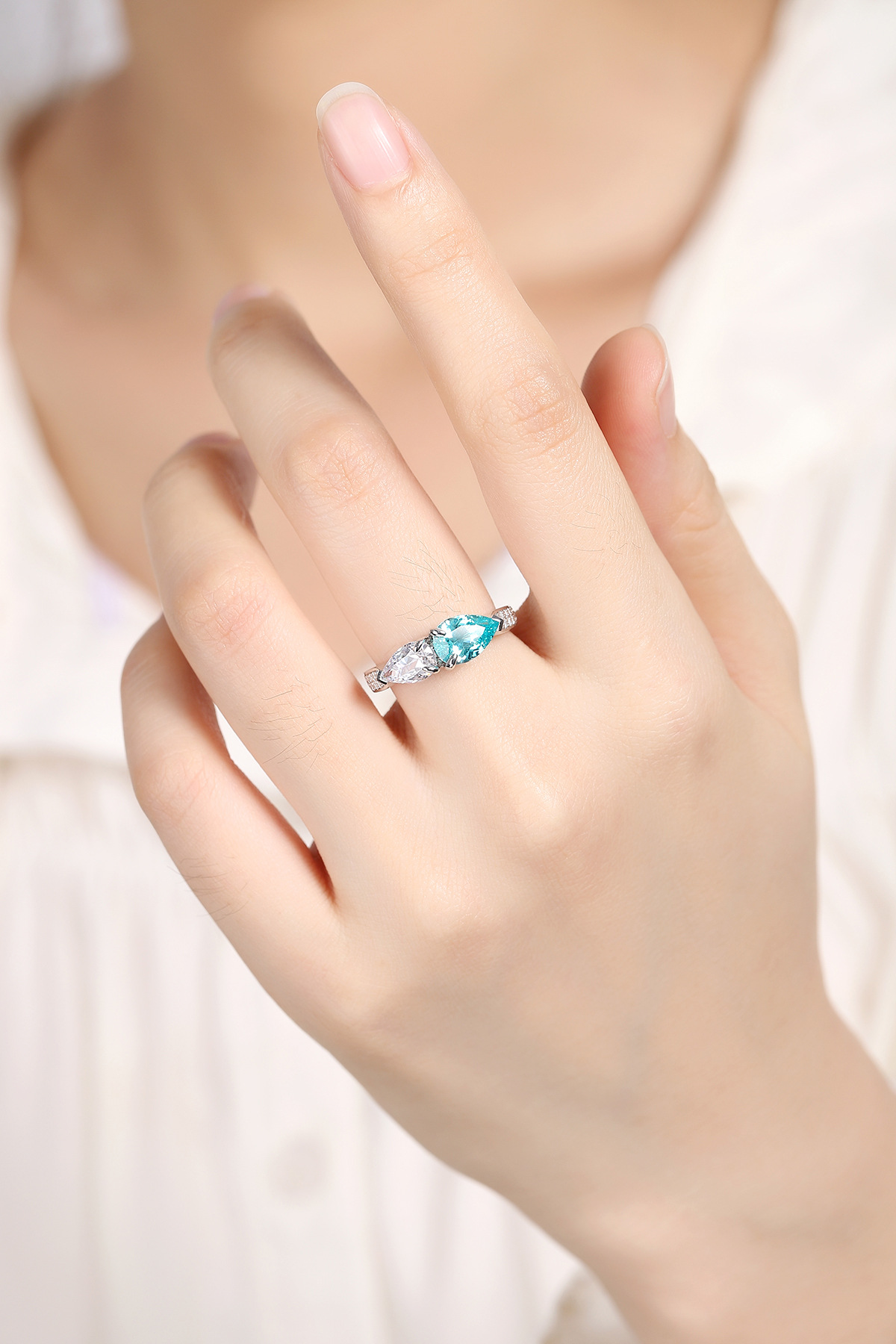
培育帕拉伊巴戒指3.jpg

Does Dust Permanently Damage Lab Grown Diamonds?

No. Dust buildup does not permanently damage lab grown diamonds.

Lab grown diamonds are extremely durable gemstones with excellent hardness and resistance to scratching. Normal exposure to household dust, air particles, and everyday environments will not harm the diamond.

The main concern is appearance rather than durability.

A dusty lab grown diamond may look:

  • Less sparkling

  • Less transparent

  • Less brilliant

but the gemstone itself remains unchanged.

Proper cleaning restores the appearance without affecting the diamond’s quality.

How Often Should You Clean a Lab Grown Diamond?

The ideal cleaning frequency depends on how often the jewelry is worn.

For daily wear pieces such as engagement rings:

  • Light cleaning: once a week

  • Deeper cleaning: every few weeks

For occasional jewelry:

  • Clean when the stone appears less bright

  • Inspect before special occasions

People who regularly use:

  • Hand lotion

  • Sunscreen

  • Makeup

  • Cleaning products

may need to clean their jewelry more frequently.

A consistent cleaning routine helps maintain long-lasting lab grown diamond brilliance.

How to Clean Dust From a Lab Grown Diamond Ring

Cleaning a lab grown diamond at home is usually simple.

Step 1: Prepare a Gentle Cleaning Solution

Mix:

  • Warm water

  • A small amount of mild dish soap

Avoid harsh chemicals or abrasive cleaners.

Step 2: Soak the Jewelry

Place the ring or jewelry piece in the solution for several minutes.

This helps loosen:

  • Dust particles

  • Oil residue

  • Soap buildup

Step 3: Gently Brush the Stone

Use a soft toothbrush or jewelry brush to clean:

  • The diamond surface

  • The underside of the stone

  • The setting area

The underside is especially important because dirt often collects beneath the diamond.

Step 4: Rinse Thoroughly

Remove all remaining soap residue with clean water.

Step 5: Dry Carefully

Use a soft, lint-free cloth to dry the jewelry.

After cleaning, the diamond should regain its natural sparkle.

Does Dust Affect Lab Grown Diamond Brilliance Compared With Natural Diamonds?

No. Dust affects lab grown diamonds and natural diamonds in the same way.

Both types of diamonds rely on light reflection and refraction to create brilliance. A dirty surface can reduce sparkle regardless of whether the diamond was grown in a laboratory or mined from the earth.

The difference is not the diamond origin but the cleanliness of the surface.

A well-maintained lab grown diamond can appear just as bright and beautiful as any high-quality diamond.

Can Dust Get Inside a Lab Grown Diamond?

No. Normal dust cannot enter a solid diamond crystal.

A lab grown diamond is a dense crystalline material. Surface dust stays on the outside of the stone.

However, dust and debris can collect around:

  • The setting

  • Prongs

  • The area underneath the stone

  • Small gaps in detailed designs

This is why cleaning the entire ring is important, not only the visible top surface.

培育钴尖晶耳钉.jpg

Does Setting Design Affect Dust Buildup?

Yes. Some ring settings collect more residue than others.

Prong Settings

Prong settings allow excellent light exposure but may collect dust underneath the diamond.

Regular cleaning helps maintain maximum sparkle.

Bezel Settings

Bezel settings surround the diamond with metal.

They provide protection but may require attention around the edges where residue can collect.

Halo Settings

Halo rings contain multiple small stones and detailed areas that may trap dust.

They often benefit from more frequent cleaning.

Pavé Settings

Pavé designs contain many small stones held by tiny metal details, making gentle cleaning important.

The setting style can influence how easily a lab grown diamond stays clean.

How to Prevent Dust Buildup on Lab Grown Diamonds

A few simple habits can help reduce buildup.

Remove Jewelry During Messy Activities

Take off your ring when:

  • Gardening

  • Cleaning

  • Cooking with sticky ingredients

  • Applying heavy products

Apply Products Before Wearing Jewelry

Allow:

  • Lotion

  • Sunscreen

  • Creams

to absorb before putting on your jewelry.

Store Jewelry Properly

Keep lab grown diamond jewelry in a clean jewelry box or pouch when not in use.

This reduces exposure to dust and prevents contact with other pieces.

Schedule Professional Cleaning

Occasional professional cleaning can help maintain:

  • Diamond brilliance

  • Setting condition

  • Prong security

Can a Cloudy Lab Grown Diamond Become Sparkling Again?

In most cases, yes.

If a lab grown diamond looks cloudy due to dust or residue, proper cleaning can restore its appearance.

However, if cloudiness remains after cleaning, possible causes may include:

  • Internal characteristics

  • Damage

  • Setting issues

  • Poor-quality residue

A professional jeweler can help determine the cause.

Does Dust Affect Lab Grown Diamond Value?

No. Dust buildup does not reduce the permanent value or quality of a lab grown diamond.

A diamond’s value is determined by factors such as:

  • Carat weight

  • Cut quality

  • Color grade

  • Clarity grade

  • Certification

  • Overall craftsmanship

Temporary surface dirt only affects appearance.

Common Mistakes That Make Lab Grown Diamonds Look Dull

Many dull-looking diamonds simply need better maintenance.

Common mistakes include:

  • Rarely cleaning the jewelry

  • Wearing rings while applying lotion

  • Allowing soap residue to accumulate

  • Ignoring the underside of the stone

  • Storing jewelry in dusty areas

  • Using unsuitable cleaning products

Avoiding these habits can help preserve long-term brilliance.

Final Thoughts

So, does dust buildup dull lab grown diamonds?

Yes, dust and everyday residue can temporarily reduce sparkle by blocking light reflection, but they do not damage the diamond itself.

Lab grown diamonds remain durable, strong, and suitable for everyday jewelry. With regular cleaning, proper storage, and simple care habits, they can maintain their brilliance and beauty for many years.

For anyone choosing a gemstone that combines durability, value, and lasting sparkle, a well-maintained lab grown diamond engagement ring or jewelry piece can remain a stunning choice for everyday wear.



We use cookie to improve your online experience. By continuing to browse this website, you agree to our use of cookie.

Cookies

Please read our Terms and Conditions and this Policy before accessing or using our Services. If you cannot agree with this Policy or the Terms and Conditions, please do not access or use our Services. If you are located in a jurisdiction outside the European Economic Area, by using our Services, you accept the Terms and Conditions and accept our privacy practices described in this Policy.
We may modify this Policy at any time, without prior notice, and changes may apply to any Personal Information we already hold about you, as well as any new Personal Information collected after the Policy is modified. If we make changes, we will notify you by revising the date at the top of this Policy. We will provide you with advanced notice if we make any material changes to how we collect, use or disclose your Personal Information that impact your rights under this Policy. If you are located in a jurisdiction other than the European Economic Area, the United Kingdom or Switzerland (collectively “European Countries”), your continued access or use of our Services after receiving the notice of changes, constitutes your acknowledgement that you accept the updated Policy. In addition, we may provide you with real time disclosures or additional information about the Personal Information handling practices of specific parts of our Services. Such notices may supplement this Policy or provide you with additional choices about how we process your Personal Information.


Cookies

Cookies are small text files stored on your device when you access most Websites on the internet or open certain emails. Among other things, Cookies allow a Website to recognize your device and remember if you've been to the Website before. Examples of information collected by Cookies include your browser type and the address of the Website from which you arrived at our Website as well as IP address and clickstream behavior (that is the pages you view and the links you click).We use the term cookie to refer to Cookies and technologies that perform a similar function to Cookies (e.g., tags, pixels, web beacons, etc.). Cookies can be read by the originating Website on each subsequent visit and by any other Website that recognizes the cookie. The Website uses Cookies in order to make the Website easier to use, to support a better user experience, including the provision of information and functionality to you, as well as to provide us with information about how the Website is used so that we can make sure it is as up to date, relevant, and error free as we can. Cookies on the Website We use Cookies to personalize your experience when you visit the Site, uniquely identify your computer for security purposes, and enable us and our third-party service providers to serve ads on our behalf across the internet.

We classify Cookies in the following categories:
 ●  Strictly Necessary Cookies
 ●  Performance Cookies
 ●  Functional Cookies
 ●  Targeting Cookies


Cookie List
A cookie is a small piece of data (text file) that a website – when visited by a user – asks your browser to store on your device in order to remember information about you, such as your language preference or login information. Those cookies are set by us and called first-party cookies. We also use third-party cookies – which are cookies from a domain different than the domain of the website you are visiting – for our advertising and marketing efforts. More specifically, we use cookies and other tracking technologies for the following purposes:

Strictly Necessary Cookies
These cookies are necessary for the website to function and cannot be switched off in our systems. They are usually only set in response to actions made by you which amount to a request for services, such as setting your privacy preferences, logging in or filling in forms. You can set your browser to block or alert you about these cookies, but some parts of the site will not then work. These cookies do not store any personally identifiable information.

Functional Cookies
These cookies enable the website to provide enhanced functionality and personalisation. They may be set by us or by third party providers whose services we have added to our pages. If you do not allow these cookies then some or all of these services may not function properly.

Performance Cookies
These cookies allow us to count visits and traffic sources so we can measure and improve the performance of our site. They help us to know which pages are the most and least popular and see how visitors move around the site. All information these cookies collect is aggregated and therefore anonymous. If you do not allow these cookies we will not know when you have visited our site, and will not be able to monitor its performance.

Targeting Cookies
These cookies may be set through our site by our advertising partners. They may be used by those companies to build a profile of your interests and show you relevant adverts on other sites. They do not store directly personal information, but are based on uniquely identifying your browser and internet device. If you do not allow these cookies, you will experience less targeted advertising.

How To Turn Off Cookies
You can choose to restrict or block Cookies through your browser settings at any time. Please note that certain Cookies may be set as soon as you visit the Website, but you can remove them using your browser settings. However, please be aware that restricting or blocking Cookies set on the Website may impact the functionality or performance of the Website or prevent you from using certain services provided through the Website. It will also affect our ability to update the Website to cater for user preferences and improve performance. Cookies within Mobile Applications

We only use Strictly Necessary Cookies on our mobile applications. These Cookies are critical to the functionality of our applications, so if you block or delete these Cookies you may not be able to use the application. These Cookies are not shared with any other application on your mobile device. We never use the Cookies from the mobile application to store personal information about you.

If you have questions or concerns regarding any information in this Privacy Policy, please contact us by email at . You can also contact us via our customer service at our Site.


Language ▾

