
Cart
Your shopping cart doesn't have any products yet!
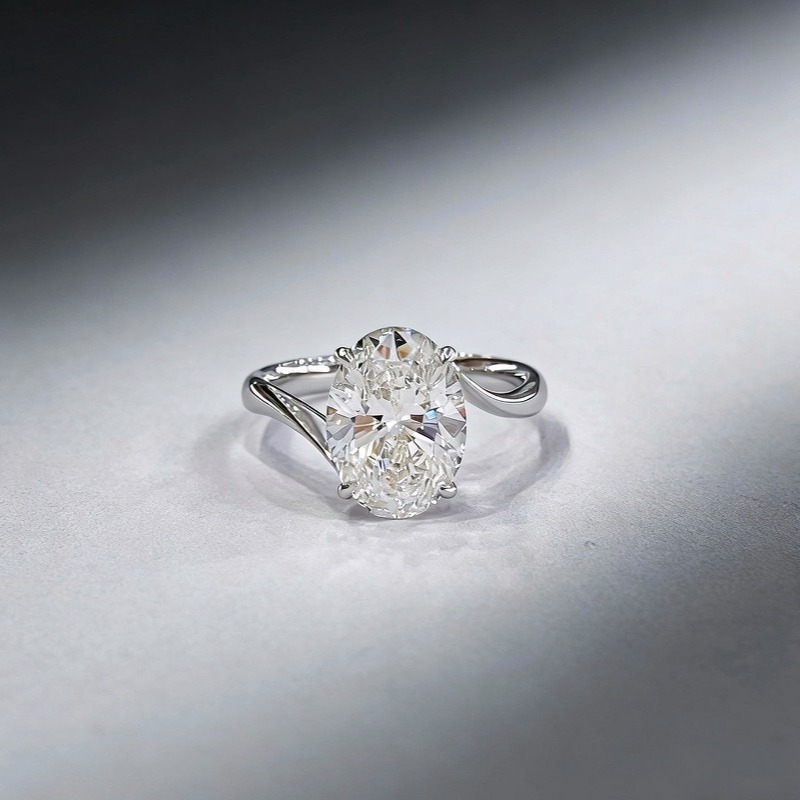
Choosing the right metal for a moissanite ring is just as important as selecting the gemstone itself. While moissanite is admired for its exceptional brilliance, fire, and durability, the setting plays a significant role in the ring's appearance, longevity, maintenance requirements, and overall cost. Two popular options are sterling silver and 14K gold, each offering distinct advantages for different budgets and personal styles.
If you are comparing a silver vs 14K gold setting for a moissanite ring, understanding the differences in durability, appearance, affordability, and long-term value can help you make a confident decision. Whether you are shopping for an engagement ring, wedding ring, or everyday jewelry, the best choice depends on how you plan to wear and care for your ring.
Before comparing the two metals, it is helpful to understand their composition and characteristics.
Sterling silver typically consists of 92.5% silver and 7.5% other metals, usually copper. It is valued for its bright, white appearance and affordability. Silver complements the colorless sparkle of moissanite, creating a clean, contemporary look at an accessible price.
14K gold contains 58.3% pure gold, with the remaining percentage made up of other metals that improve its strength and influence its color. It is available in yellow gold, white gold, and rose gold. This variety allows buyers to personalize their moissanite jewelry while benefiting from a metal generally better suited to long-term daily wear than sterling silver.
Both metals can showcase moissanite beautifully, but their differences become more noticeable with regular use.
The metal surrounding a moissanite gemstone influences the overall design and visual effect of the ring.
Silver has a naturally bright, cool-toned appearance that pairs especially well with colorless moissanite. Its white surface creates a cohesive look with the gemstone, allowing the stone's brilliance and rainbow-like flashes of light to remain the main attraction.
A sterling silver moissanite ring is an excellent option for people who prefer minimalist jewelry, classic solitaire settings, or modern designs. It also provides an affordable way to achieve the appearance of a traditional white-metal engagement ring.
However, sterling silver can tarnish over time when exposed to air, moisture, sulfur-containing substances, and certain chemicals. Regular cleaning and appropriate storage help preserve its appearance.
A 14K gold moissanite ring offers more flexibility in terms of color and style.
14K white gold: Provides a bright, sophisticated appearance that complements colorless moissanite. Many white gold rings have a rhodium coating to enhance their whiteness, although this coating may require periodic renewal.
14K yellow gold: Creates a warm contrast against the gemstone, making the center stone stand out while giving the ring a traditional, elegant appearance.
14K rose gold: Adds a soft pink hue that creates a romantic, contemporary look.
For buyers who want a ring that reflects their individual style, 14K gold offers greater design versatility than silver.
Durability is one of the most important considerations when choosing a moissanite ring setting, particularly if the ring will be worn every day.
Sterling silver is a relatively soft metal compared with many gold jewelry alloys. It can develop scratches, bend under pressure, and become misshapen over time. These characteristics are especially relevant for rings with delicate prongs, which hold the moissanite securely in place.
Although silver can last for many years with proper care, frequent wear may increase the need for inspections and repairs.
14K gold is generally more suitable for everyday rings because its alloy composition provides a useful balance of strength, workability, and wear resistance. It can still scratch or deform, but a well-made 14K gold setting is often a more practical choice for an engagement ring intended to be worn continuously.
It is important to remember that durability depends on more than metal type alone. The ring's design, band thickness, prong construction, manufacturing quality, and the wearer's activities all influence how well the setting performs.
Silver and 14K gold differ in the amount and type of maintenance they typically require.
Sterling silver can tarnish, gradually developing a darker surface that may reduce its original brightness. The rate of tarnishing depends on the environment, storage conditions, and exposure to cosmetics, household chemicals, sweat, and moisture.
To maintain a silver moissanite ring:
Clean it gently with a jewelry-safe cleaning solution.
Dry it thoroughly after cleaning.
Store it in a dry, preferably airtight jewelry container.
Avoid wearing it during activities that expose it to harsh chemicals or unnecessary physical impact.
Have the prongs and setting inspected periodically by a qualified jeweler.
14K gold generally resists tarnishing better than sterling silver, although its behavior depends on the alloy. Yellow and rose gold usually retain their color without a surface coating. White gold may need occasional rhodium replating to maintain a bright white finish.
For either metal, avoid harsh cleaning products and abrasive methods that could damage the setting or gemstone. Routine inspections are especially important for rings worn daily, regardless of the metal selected.
Price is often the deciding factor when comparing a silver vs 14K gold moissanite ring.
Sterling silver is typically much less expensive than 14K gold because the raw material costs less. This makes silver an attractive option for shoppers who want a beautiful moissanite ring without a substantial upfront investment.
A silver setting can be particularly suitable for fashion rings, occasional jewelry, travel rings, and budget-conscious purchases.
A 14K gold setting generally costs more because of its gold content, material value, and sometimes higher manufacturing costs. However, its greater suitability for frequent wear can make the additional expense worthwhile for a ring intended to serve as a long-term piece of jewelry.
Actual prices vary according to the ring's weight, design complexity, gemstone size, brand, craftsmanship, and current precious-metal prices.
When comparing prices, look beyond the initial purchase cost. Consider potential maintenance, repairs, replating, and replacement expenses over the years.
Both sterling silver and 14K gold can be used for moissanite engagement rings, but they serve different needs.
A sterling silver engagement ring may appeal to someone who values affordability, enjoys changing jewelry styles, or prefers a ring for occasional rather than continuous wear. It can also be a practical temporary option while saving for a more expensive setting.
For a permanent engagement ring, 14K gold is generally the more practical choice. Its strength, resistance to tarnishing, and range of colors make it well suited to a ring that will be worn regularly.
A 14K gold setting is particularly worth considering if the ring has a larger center stone, intricate details, or prongs that need to remain secure over many years. The quality of the setting remains essential, however, and even gold rings require professional inspection and occasional maintenance.
If your priority is long-term daily wear, a well-constructed 14K gold moissanite engagement ring will usually offer a better balance of durability and appearance.
Moissanite is known for its high refractive index and strong dispersion, which produce its distinctive brilliance and colorful flashes of light. The gemstone's optical properties do not change simply because it is set in silver or gold.
However, the setting's color can influence the overall visual impression.
A white metal such as sterling silver or 14K white gold creates a harmonious appearance with colorless moissanite. Yellow gold and rose gold introduce warmer tones that can provide an attractive contrast.
The setting's design also affects how much light reaches the gemstone. An open setting may allow more light to enter from the sides, while the stone's cut quality, proportions, cleanliness, and positioning are major factors in its overall sparkle.
Therefore, choosing between silver and 14K gold is primarily a decision about appearance, durability, maintenance, and budget rather than a way to increase the gemstone's inherent brilliance.
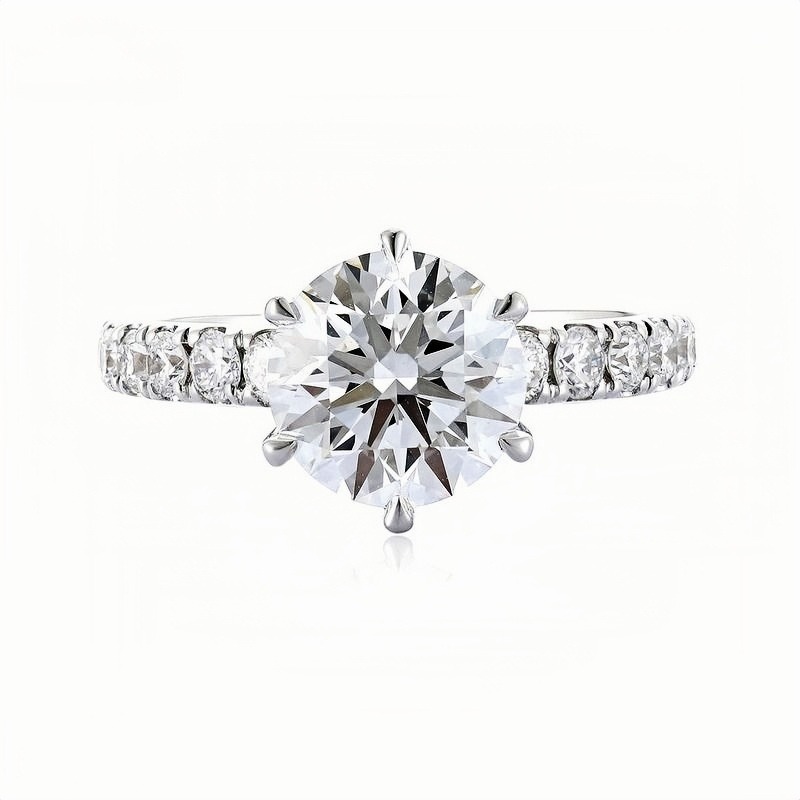
Another difference between silver and 14K gold is their material value.
Sterling silver has intrinsic precious-metal value, but its relatively low material cost means that silver jewelry often has limited resale value compared with gold jewelry of similar design. The final resale price also depends on craftsmanship, condition, brand recognition, and buyer demand.
14K gold generally retains more material value because it contains a meaningful proportion of gold. Although the purchase price of a finished ring is not necessarily recoverable when resold, gold jewelry may offer greater residual value than a comparable sterling silver piece.
For buyers who prioritize longevity and material value, a 14K gold moissanite ring may be a more appealing investment in everyday jewelry. Nevertheless, neither metal guarantees a financial return, and a moissanite ring's resale value should not be assumed to equal its original retail price.
The right metal depends on your priorities, lifestyle, and budget.
Choose sterling silver if you:
Want an affordable moissanite ring with a bright white appearance.
Prefer fashionable or minimalist jewelry.
Plan to wear the ring occasionally.
Are comfortable with regular cleaning and additional care to prevent tarnishing.
Want to spend more of your budget on the moissanite gemstone itself.
Choose 14K gold if you:
Want a ring for everyday wear.
Are shopping for a long-term engagement or wedding ring.
Prefer a metal that generally requires less tarnish-related maintenance.
Want a choice of white, yellow, or rose gold.
Value greater long-term practicality and gold's underlying material value.
If neither option seems ideal, you can also compare 10K gold for a lower gold content and potentially lower price, or platinum for a different combination of durability, color, and cost. Each alternative has its own trade-offs.
When comparing a silver vs 14K gold setting for a moissanite ring, both metals offer attractive benefits, but they are best suited to different circumstances.
Sterling silver is an excellent budget-friendly option for shoppers who want the sparkle of moissanite in a bright, stylish setting without paying a premium for the metal. It works particularly well for occasional wear, fashion jewelry, and buyers who are comfortable with routine maintenance.
14K gold is generally the better choice for a moissanite engagement ring or any piece intended for frequent, long-term wear. It offers greater design versatility, better resistance to tarnishing, and a useful balance of strength and wearability.
Ultimately, the best moissanite ring setting is one that matches your lifestyle and budget while securely supporting the gemstone. If affordability is your main concern, sterling silver deserves consideration. If everyday durability and long-term practicality matter more, 14K gold is usually worth the additional cost.
By weighing appearance, durability, maintenance, and overall value, you can select a moissanite ring setting that suits your needs and allows the gemstone to shine beautifully for years to come.