
Cart
Your shopping cart doesn't have any products yet!
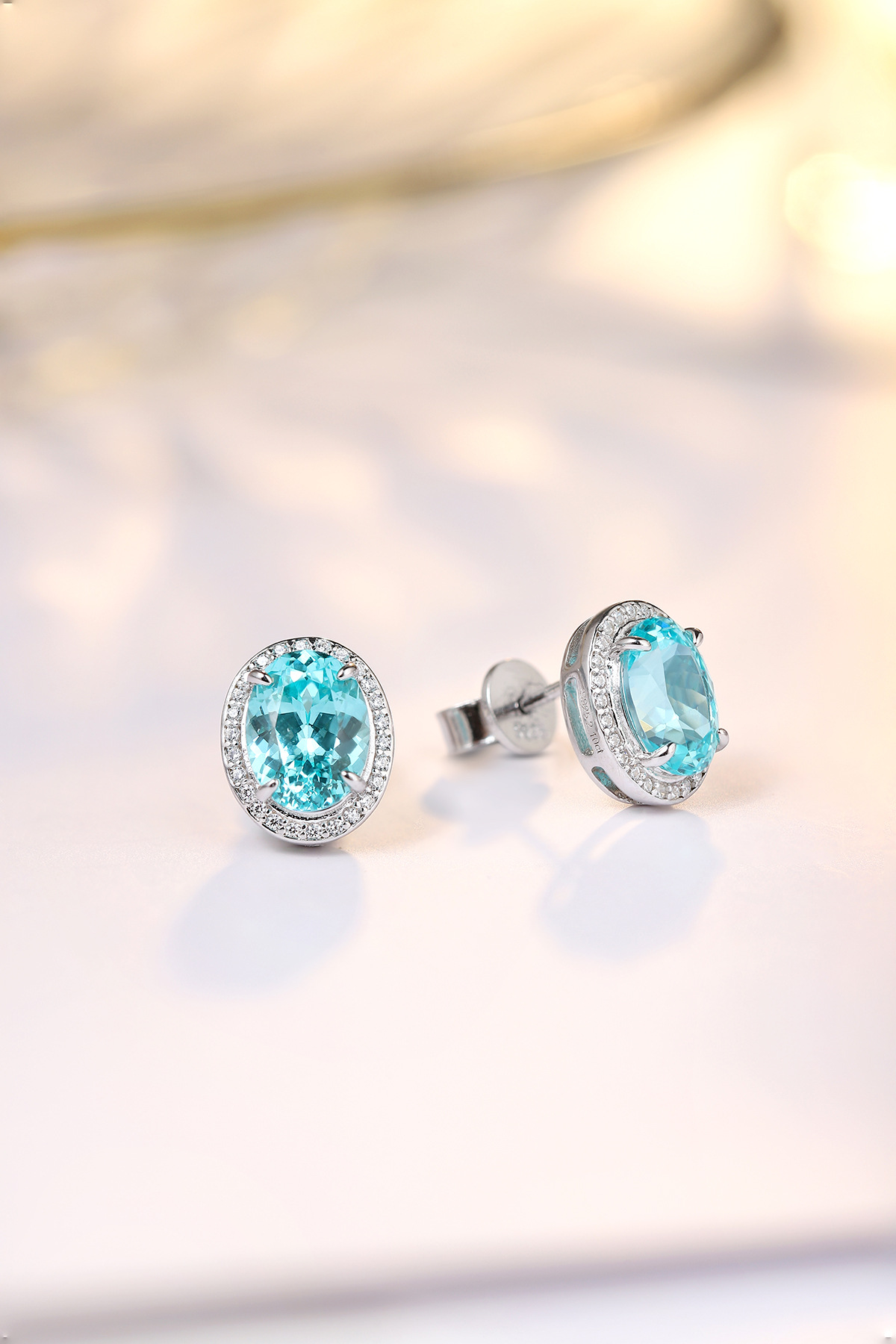
CVD diamonds have become a popular choice for engagement rings, fine jewelry, and everyday accessories because they offer the beauty and physical properties of diamond at a different price point from many mined diamonds. However, buyers sometimes notice small white spots, cloudy areas, or changes in appearance and wonder whether CVD diamonds develop white spots over time.
CVD diamonds do not normally develop white spots simply because they age or are worn regularly. Chemical vapor deposition (CVD) is a method of growing diamonds in a controlled environment. Once formed, a CVD diamond has the same fundamental crystal structure and essential material properties as a diamond grown naturally underground. Its appearance can be influenced by growth characteristics, inclusions, surface condition, and any treatments it has received.
If white spots appear on a CVD diamond, the cause may be surface residue, an existing internal feature becoming more noticeable under certain lighting, a surface blemish, or a change associated with a particular treatment. Understanding these possibilities can help buyers determine whether a diamond needs cleaning, professional inspection, or further evaluation.
CVD stands for chemical vapor deposition, a laboratory process used to grow diamonds. During this process, carbon-containing gases are introduced into a controlled chamber, allowing carbon atoms to deposit and form diamond crystal material over time.
CVD diamonds are real diamonds, not simulants such as cubic zirconia or glass. Like other diamonds, they are composed primarily of crystalline carbon and have excellent hardness and optical properties.
However, the growth process can influence a CVD diamond's internal characteristics. Depending on the growth conditions and subsequent processing, a stone may contain inclusions, growth-related features, or color characteristics that affect its appearance.
These features are not necessarily defects that develop after purchase. Many are established during growth or treatment and may become noticeable when the stone is viewed from a different angle or under different lighting.
For buyers comparing CVD and HPHT lab-grown diamonds, the growth method alone does not determine whether a stone will develop white spots. The individual diamond's quality, characteristics, and treatment history are more relevant.
White spots can have several possible causes. Before assuming that the diamond has changed internally, it is important to distinguish surface buildup from features within the stone.
One of the most common reasons a diamond appears cloudy or develops pale-looking patches is the accumulation of substances on its surface.
Hand lotion, sunscreen, soap, cosmetics, skin oils, and household residue can leave a thin film on the diamond. This film changes how light interacts with the surface, reducing visible brilliance and making certain areas look hazy or spotted.
This is generally a temporary appearance issue rather than damage to the diamond itself.
A gentle cleaning may restore the stone's usual sparkle. If the spots disappear after cleaning, surface contamination was likely contributing to the appearance.
CVD diamonds can contain internal characteristics formed during their growth. Depending on the stone, these may include small crystals, growth-related features, or other inclusions that appear as pale, dark, or cloudy areas.
Such features do not normally appear merely because the diamond has been worn for several years. They are generally part of the diamond's existing internal structure.
An inclusion that was difficult to notice when the stone was new may become easier to see under magnification, directional lighting, or a different viewing angle. This can create the impression that a white spot has recently developed.
A grading report, when available, can help buyers understand the documented clarity characteristics of the diamond.
Although diamonds are highly scratch-resistant, they are not completely immune to damage. A hard impact can chip an edge or facet, and surface damage may change the way light reflects from a particular area.
A chip or abrasion does not always look like a white spot, but it can produce a bright or hazy feature under certain lighting conditions.
If a mark remains after careful cleaning, especially near an edge or facet junction, a jeweler should inspect the stone rather than attempting to polish it at home.
Some lab-grown diamonds undergo post-growth treatments to modify or improve their color. The details vary by stone and processing history.
Treatment-related color characteristics are different from surface residue and ordinary wear. If a diamond develops an unexpected, persistent change in appearance, its treatment history and grading documentation may be relevant.
It is not accurate to assume that all CVD diamonds develop white spots because of their growth method. Nor can the cause of a particular spot be identified confidently from a brief visual description alone.
Under normal conditions, a CVD diamond should not gradually develop new white spots simply because time passes. Its diamond crystal structure is stable, and routine exposure to everyday indoor lighting or ordinary wear does not normally create new internal cloudy areas.
However, the stone's appearance may change for reasons unrelated to aging itself.
For example, residue can build up gradually and make a previously bright diamond appear cloudy. A small existing inclusion may become more noticeable after a change in lighting. An impact can also create a chip that changes the appearance of a facet.
These situations should not be confused with the diamond naturally deteriorating over time.
If a CVD diamond appears different from when it was purchased, compare it under similar lighting conditions, clean it gently, and inspect it again. If the mark remains, consult a qualified jeweler or gemologist for a closer examination.
Not necessarily. The presence of a visible white spot does not automatically mean that a CVD diamond is poor quality.
Diamond quality is evaluated through several characteristics, including cut, color, clarity, and carat weight. The significance of an internal feature depends on its size, location, visibility, and potential effect on appearance or structural integrity.
For example, a small inclusion near the edge of a diamond may have little effect on its face-up appearance. A larger cloudy area in the center may be more noticeable and influence the stone's overall visual appeal.
It is also important to distinguish a visible mark from a clarity grade. A diamond's clarity assessment considers the characteristics observed by a grader under specified examination conditions. A spot visible to the naked eye does not automatically correspond to a particular clarity grade.
When buying a CVD diamond, consider the grading report, clear photographs, magnified images when available, and the stone's actual appearance. A higher clarity grade does not guarantee that a diamond will never look cloudy because surface contamination can affect diamonds of every clarity grade.
If you notice white spots on a CVD diamond, follow a few simple steps before deciding that the stone has developed a defect.
Step 1: Examine the diamond under different lighting.
View the stone in soft daylight and ordinary indoor lighting. Move it gently and observe whether the spots remain visible from multiple angles. Lighting changes can reveal different internal features and reflections.
Step 2: Clean the diamond carefully.
Mix a small amount of mild dish soap with lukewarm water. Use a soft brush to clean the diamond gently, paying attention to the underside and the area around the setting. Rinse it carefully and dry it with a lint-free cloth.
Make sure the ring is secure before cleaning, and avoid working over an open drain.
Step 3: Inspect the stone again.
If the spots disappear or the diamond's brilliance improves significantly, residue was likely affecting its appearance. If the marks remain, they may be internal features, surface damage, or another issue that requires closer examination.
Step 4: Check the grading report.
If the diamond has a report from a recognized gemological laboratory, compare its clarity information and plotted characteristics, if provided, with what you can see. A report may not identify every visible feature in a way that allows a direct visual match, but it can provide useful context.
Step 5: Seek professional assessment when necessary.
A qualified jeweler or gemologist can use magnification and appropriate examination techniques to help distinguish residue, inclusions, chips, and other surface characteristics. Avoid using abrasive cleaners or attempting to polish the diamond yourself.
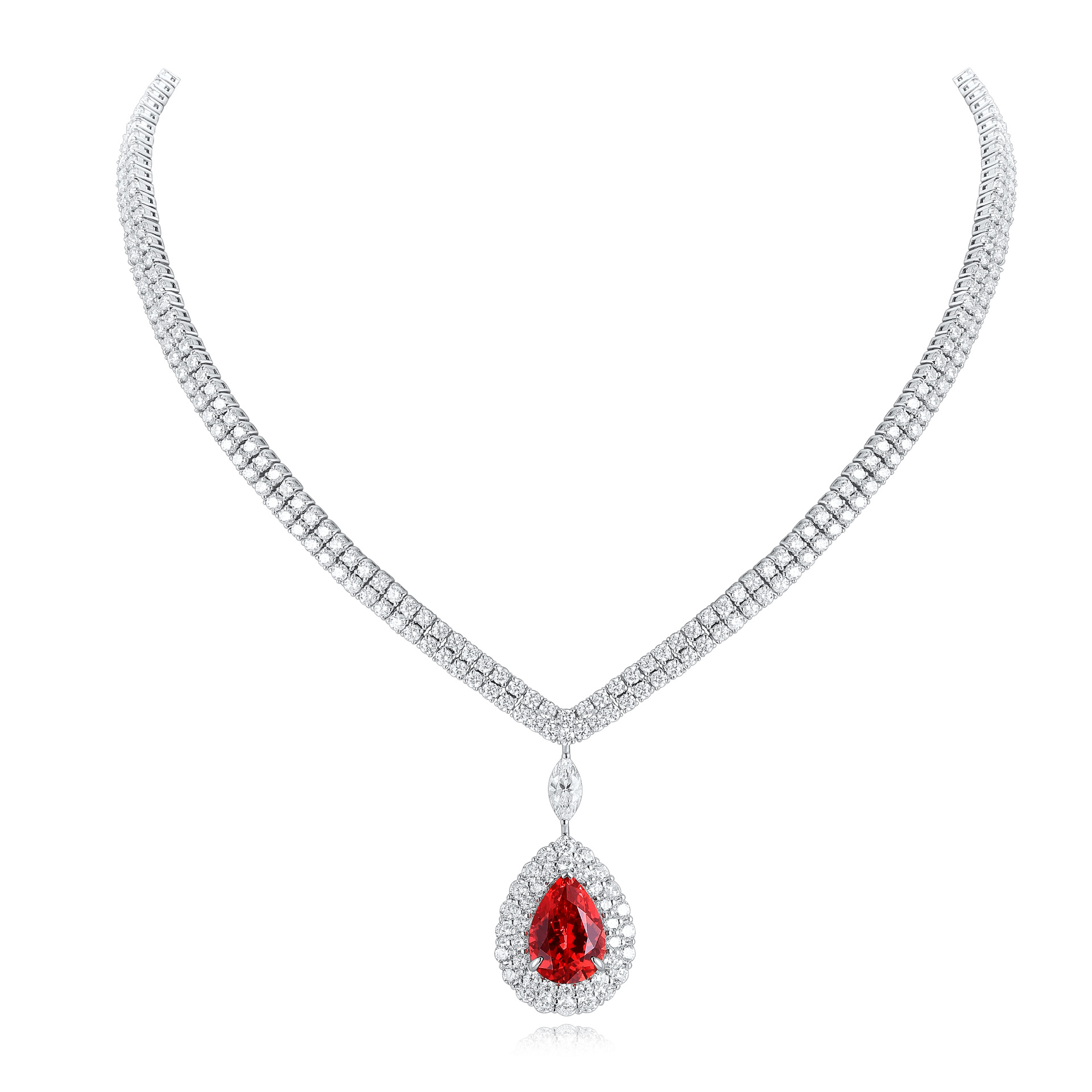
Although ordinary wear does not normally cause CVD diamonds to develop white spots, proper maintenance helps preserve their appearance.
For jewelry worn frequently, gentle cleaning about once a week is a reasonable starting point. The ideal frequency depends on how much lotion, oil, cosmetics, or other residue accumulates during daily activities.
Consider removing rings before applying heavy lotions, using household cleaning products, gardening, or performing activities that could expose the stone to impact. Follow product safety instructions when handling chemicals.
Store diamond jewelry in a separate compartment or soft pouch to reduce contact with other jewelry and help prevent damage to the setting. Diamonds can scratch other gemstones and jewelry materials, while hard impacts may chip a diamond under the right conditions.
Prongs, bezels, and other mounting components should be checked periodically. A secure setting helps protect the diamond and reduces the chance of losing the stone if the mounting becomes loose.
Mild soap and water are suitable for many diamond jewelry pieces, but ultrasonic or steam cleaning may not be appropriate for every setting, treatment, or combination of gemstones. Ask the jeweler for recommendations specific to the piece.
For buyers concerned about long-term appearance, selecting a well-documented diamond is more useful than focusing exclusively on whether it was grown by CVD or HPHT.
Consider the following factors:
Clarity: Review the diamond's clarity grade and look for visible inclusions or cloudy areas.
Cut quality: A well-cut diamond can display attractive brilliance and scintillation, although cut grading systems differ by shape.
Color: Evaluate the diamond's face-up appearance and any relevant color information in its grading report.
Grading documentation: Confirm that the report corresponds to the specific stone and clearly identifies its laboratory-grown origin.
Visual inspection: Review photographs or videos under different lighting conditions when available.
Supplier transparency: Ask about post-growth treatments, return policies, and any available quality documentation.
These checks help buyers establish a clearer picture of the diamond's condition at the time of purchase. They also make it easier to assess any later changes in appearance.
CVD diamonds do not normally develop white spots simply because they age or experience everyday wear. White or cloudy-looking areas may instead result from surface residue, existing inclusions, lighting effects, surface damage, or treatment-related characteristics.
If a CVD diamond develops an unexpected mark, start with gentle cleaning and inspect it under consistent lighting. If the mark persists, a qualified jeweler or gemologist can help determine its cause.
With sensible cleaning, secure storage, and periodic setting inspections, CVD diamond jewelry can maintain its attractive appearance for many years. For buyers, understanding the difference between temporary surface cloudiness and a genuine stone characteristic is an important part of choosing and caring for lab-grown diamonds.









