
Cart
Your shopping cart doesn't have any products yet!
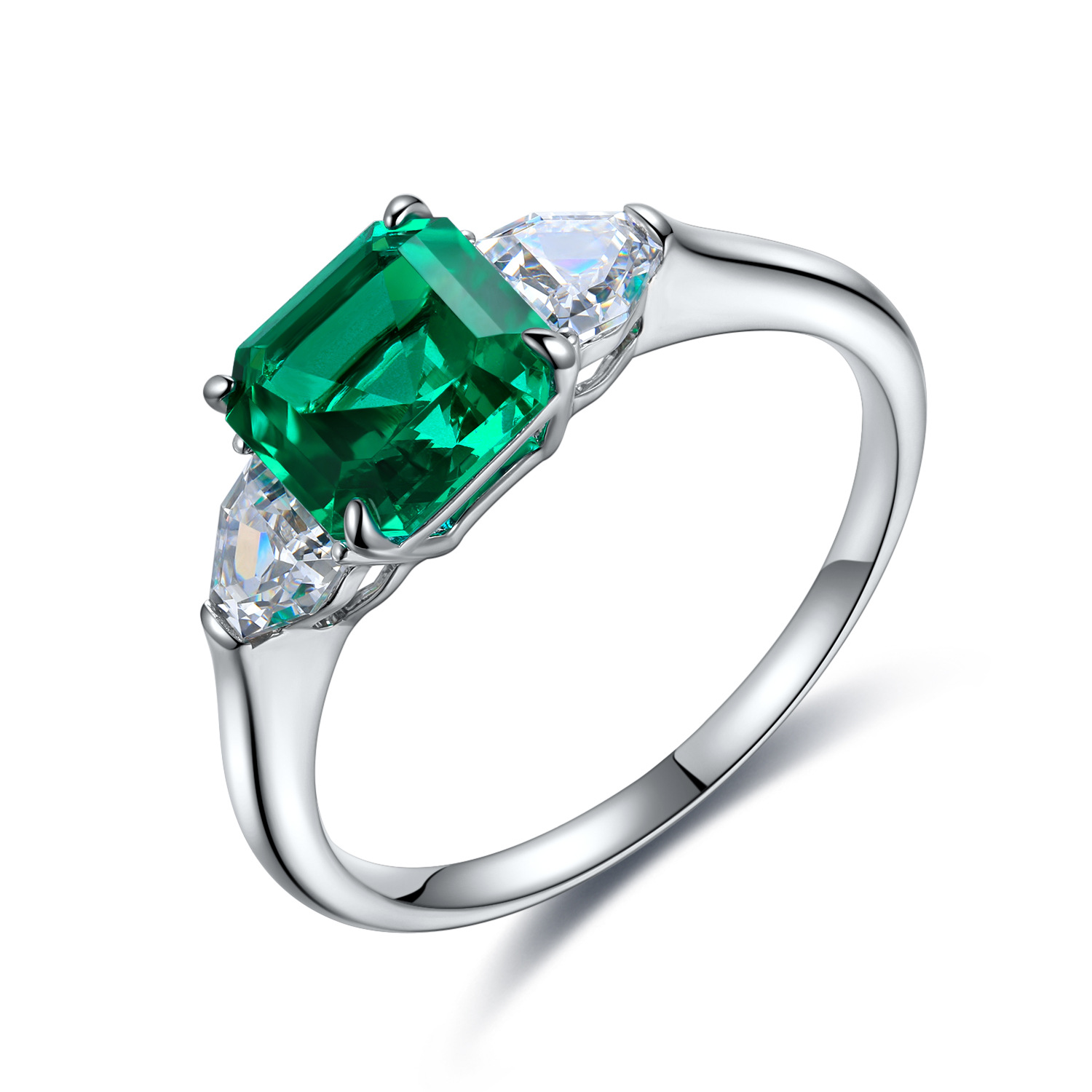
When choosing a moissanite ring, many buyers focus on brilliance, fire, color, and carat size. However, another important factor that is often overlooked is how the moissanite cut affects setting stability.
The cut of a moissanite does more than determine its visual appearance. Different shapes have different proportions, corner structures, edge designs, and surface areas. These characteristics can influence how the stone interacts with the metal setting and how well it is protected during everyday wear.
Understanding the relationship between moissanite cut and ring setting stability can help buyers choose a secure and long-lasting design, especially for engagement rings and jewelry intended for daily use.
Yes, the cut of a moissanite can affect setting stability, but it is only one part of the overall design.
The stability of a moissanite ring depends on several factors:
Moissanite shape and cut style
Setting type
Prong design
Metal quality
Stone size
Ring construction
Wearing habits
Craftsmanship
A well-designed setting can securely hold almost any moissanite shape. However, some cuts naturally require more protection because of their pointed edges, elongated shapes, or unique proportions.
For example, a round moissanite usually has a balanced shape that works well with many settings, while a pear or marquise moissanite may need additional protection around its pointed ends.
The shape of a gemstone determines how much of the stone is exposed and where pressure points may occur.
A moissanite with rounded edges generally has fewer vulnerable areas than a shape with sharp corners or tips.
For example:
Round cuts have no sharp corners and are naturally easier to secure.
Oval cuts have smooth edges and good everyday durability.
Cushion cuts have rounded corners that provide additional protection.
Princess cuts have pointed corners that require careful setting design.
Pear and marquise cuts have exposed tips that need protective prongs.
This does not mean certain cuts are unsafe. Instead, it means the best setting for moissanite depends partly on the stone shape.
Round moissanite is one of the most popular choices for engagement rings because of its classic appearance and excellent light performance.
From a setting perspective, round moissanite is relatively easy to secure because:
It has no sharp corners
It works well with four-prong or six-prong settings
Pressure is distributed evenly around the stone
Many traditional ring designs are created specifically for round stones
A round moissanite engagement ring with a secure prong setting can provide an excellent balance between brilliance and everyday durability.
Six-prong settings are especially popular because they provide additional support around the stone while maintaining visibility.
Oval moissanite offers an elongated appearance while maintaining smooth edges.
Because it does not have pointed corners, oval moissanite is generally considered practical for everyday wear.
However, larger oval stones may sit higher above the finger depending on the setting design. A higher profile can increase the chance of accidental impact.
Popular secure options include:
Four-prong settings
Six-prong settings
Halo settings
Bezel settings
A well-designed oval moissanite ring setting can provide both elegance and durability.
Cushion cut moissanite combines a square or rectangular outline with rounded corners.
The softened corners make it less vulnerable than sharp-cornered shapes.
Advantages include:
Protected corners
Classic appearance
Good compatibility with halo designs
Suitable for vintage and modern styles
A cushion moissanite is often a good option for buyers looking for a distinctive shape with practical everyday wear characteristics.
Princess cut moissanite has a square shape with pointed corners.
Its sharp corners create a beautiful geometric appearance but can require additional attention when selecting a setting.
Potential concerns include:
Exposed corners
Higher risk of corner impact
Need for protective prongs
A secure princess cut moissanite setting often uses V-shaped prongs or corner protection to help shield vulnerable areas.
For buyers who prefer princess cut stones, choosing the right mounting design is more important than avoiding the shape entirely.
Pear shaped moissanite has a rounded end and a pointed tip.
The pointed tip is the main area requiring protection.
A well-designed pear moissanite ring typically includes:
A V-prong protecting the tip
Properly positioned side prongs
A secure mounting structure
Without proper protection, the tip may be more exposed to accidental contact.
A pear moissanite engagement ring with a protective setting can still be highly suitable for everyday wear.
Marquise moissanite has two pointed ends, making setting design especially important.
The tips should be carefully protected because they are the most vulnerable parts of the stone.
Common protective options include:
V-shaped prongs
Double prongs
Bezel settings
Halo designs
A properly constructed marquise moissanite ring setting can securely hold the stone while highlighting its elongated appearance.
Emerald cut moissanite has a rectangular shape with step-cut facets.
Unlike brilliant cuts, emerald cuts rely more on clarity and clean lines rather than intense sparkle.
Its corners require protection, but the overall shape can work well with many secure settings.
Popular options include:
Four-corner prong settings
Bezel settings
Channel-style designs
A carefully selected setting can help maintain both appearance and security.
While cut influences stability, the setting often has an even greater impact.
Prong settings are popular because they allow maximum light exposure.
Advantages:
Enhance brilliance
Show more of the gemstone
Offer classic appearance
Considerations:
Prongs need periodic inspection
Delicate prongs may wear over time
A bezel setting surrounds the moissanite with metal.
Advantages:
Excellent protection
Lower profile
Suitable for active lifestyles
Considerations:
More metal covers the stone
Different visual style compared with prong settings
Halo settings surround the center moissanite with smaller stones.
Advantages:
Creates a larger appearance
Adds decorative detail
Provides some additional protection
Considerations:
More small settings require maintenance
Cathedral settings elevate the center stone above the band.
Advantages:
Elegant appearance
Allows more light exposure
Considerations:
Higher profile may experience more contact during activities
Yes, larger moissanite stones often require additional consideration.
A larger stone has:
More surface area
Greater visual height
Increased exposure to accidental impact
This does not mean large moissanite stones are fragile. Instead, they benefit from a secure setting designed specifically for their size.
For example:
Large round moissanite may benefit from six-prong settings.
Large pear moissanite may need stronger tip protection.
Large emerald cuts may require secure corner protection.
The best setting for large moissanite depends on both the stone shape and the wearer's lifestyle.
Yes.
Different moissanite cuts often require different prong approaches.
Examples:
Round moissanite → classic round prongs or claw prongs
Pear moissanite → V-prong for the pointed tip
Marquise moissanite → protected end prongs
Princess moissanite → corner protection
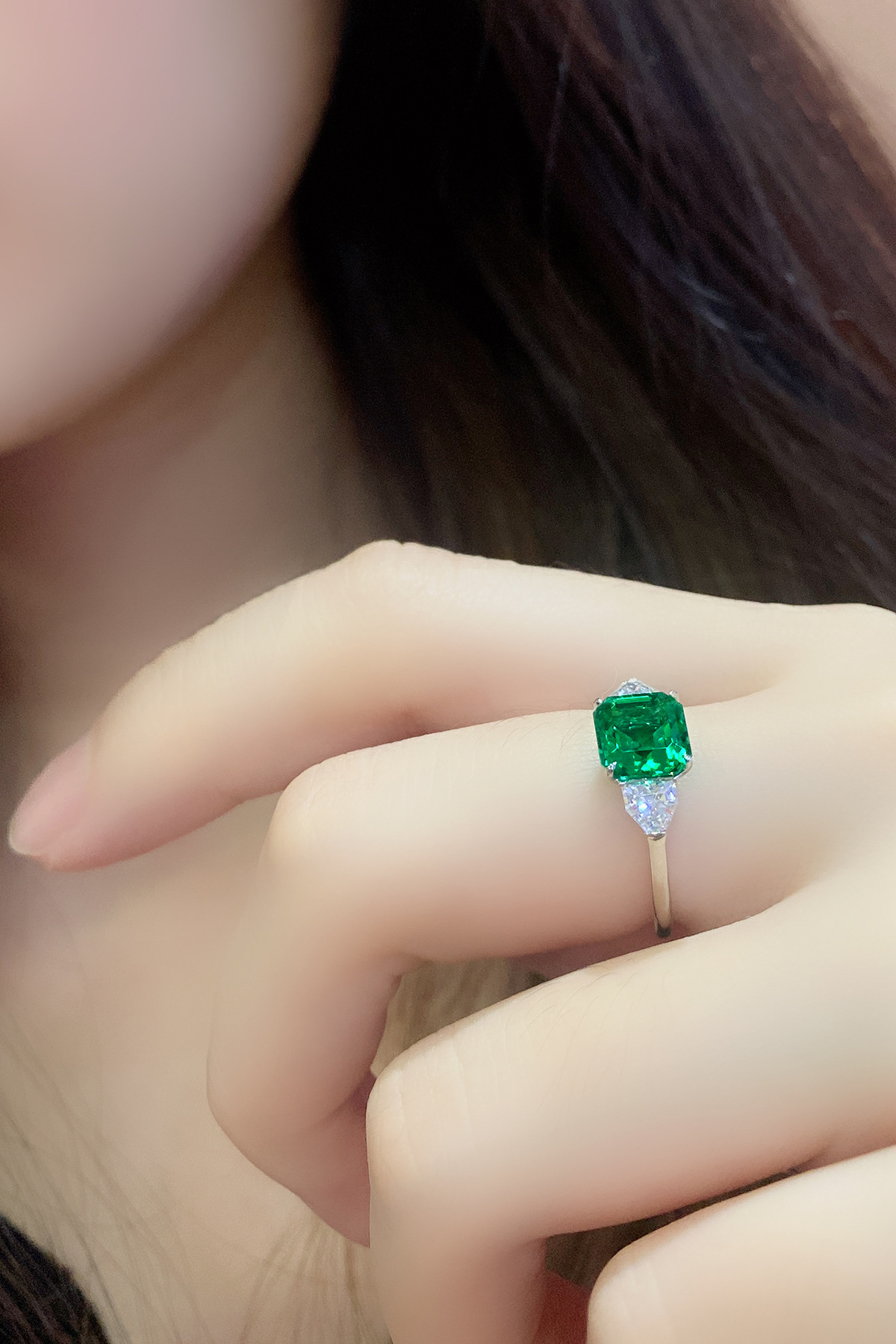
Emerald moissanite → secure corner prongs
Oval moissanite → evenly distributed prongs
The purpose of prongs is not only to hold the stone but also to protect vulnerable areas.
While all moissanite cuts can be worn daily with the correct setting, some shapes are naturally easier to protect.
Common choices for everyday wear include:
Highly versatile
Easy to secure
Classic design
Smooth edges
Elegant appearance
Practical durability
Rounded corners
Good protection
Cut corners
Modern appearance
Strong everyday potential
More delicate shapes such as pear and marquise can also work well when paired with protective settings.
When selecting a moissanite ring, consider:
The setting should protect the stone's specific shape.
People who use their hands frequently may prefer lower-profile or protective designs.
Strong metals and proper craftsmanship contribute to long-term security.
Thin or poorly finished prongs may increase the risk of problems.
Regular checks can identify loose stones before major issues occur.
Some buyers focus only on appearance and overlook stability.
Common mistakes include:
Choosing a setting without considering stone shape
Selecting a very high-profile ring for heavy daily activity
Ignoring prong quality
Choosing delicate designs without understanding maintenance needs
Failing to inspect the ring regularly
A beautiful ring should also be practical and secure.
The moissanite cut can affect setting stability, especially when the stone shape includes pointed corners, exposed tips, or unusual proportions. However, the cut itself does not determine whether a ring is durable.
A properly designed setting, quality craftsmanship, suitable metal choice, and regular maintenance all contribute to long-term security.
Round, oval, cushion, princess, pear, marquise, and emerald cut moissanite stones can all be excellent choices when paired with the right mounting design.
When selecting a moissanite ring, consider the complete combination of stone shape, setting style, protection level, and lifestyle needs. A well-matched design can keep your moissanite secure while preserving its brilliance and beauty for years of everyday wear.









