
Cart
Your shopping cart doesn't have any products yet!
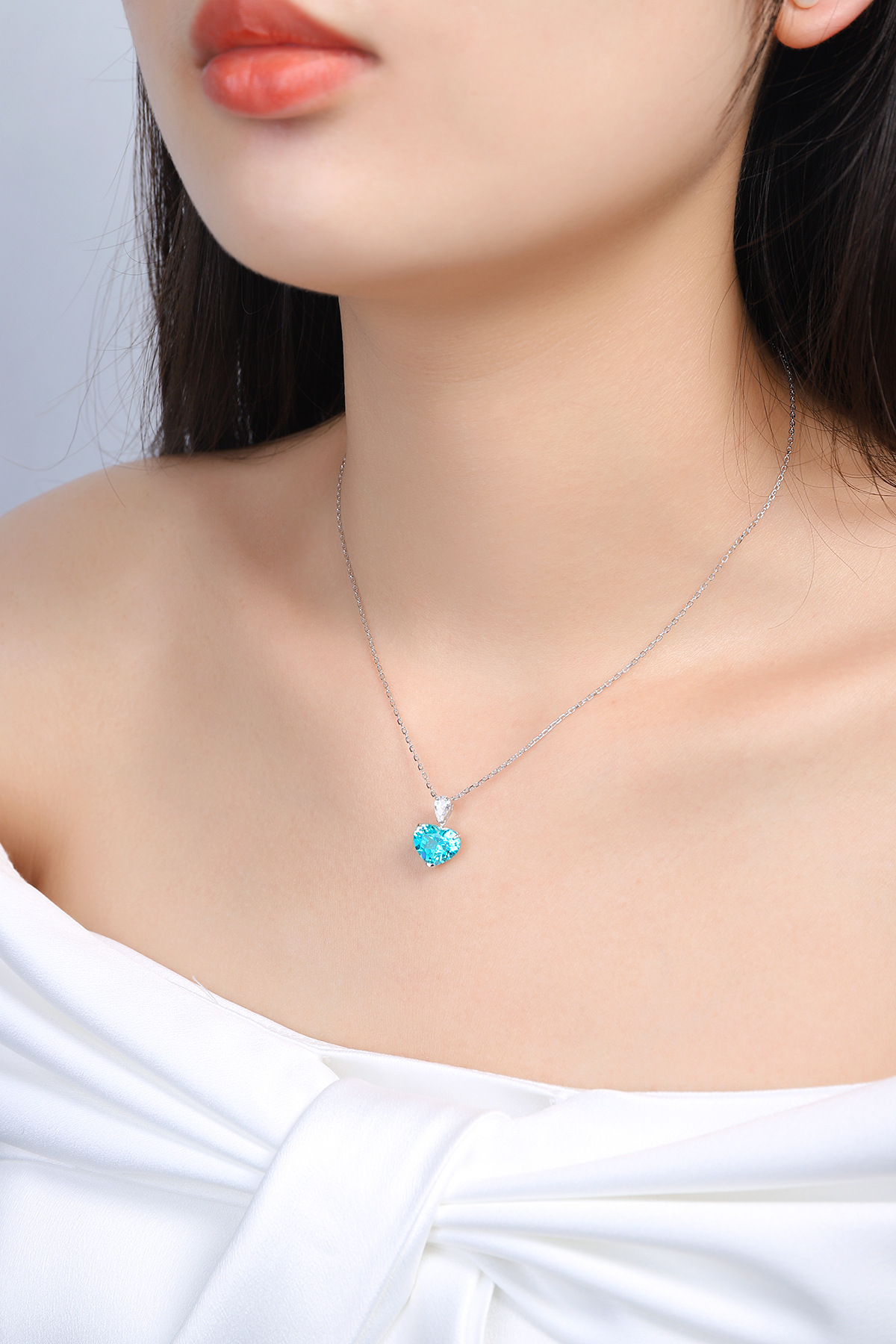
Moissanite is known for its bright brilliance and noticeable flashes of fire, but even a high-quality stone can look less impressive after regular wear. Skin oils, lotion, sunscreen, soap, cosmetics, dust, and other everyday residues can accumulate on the surface and around the setting. When this happens, the jewelry may appear cloudy, dull, or less sparkly than when it was new.
Fortunately, a dull-looking moissanite does not necessarily mean the stone has lost its brilliance. In many cases, proper cleaning can restore much of its original appearance.
Learning how to bring back sparkle to moissanite jewelry is mainly about removing surface buildup while protecting both the gemstone and its setting. With a simple cleaning routine and sensible handling, moissanite rings, earrings, necklaces, and bracelets can continue to look bright for years.
Moissanite itself is highly resistant to scratching and is well suited to jewelry, but its surface can still become covered with residue.
Common causes of reduced sparkle include:
Skin oils
Hand cream and body lotion
Sunscreen
Makeup
Soap residue
Shampoo and conditioner
Hair products
Dust and everyday dirt
Food and household residue
Grease
Water spots
Residue trapped around the setting
These substances can create a thin film over the gemstone. Because light needs to enter and return through the stone for strong visual performance, surface contamination can make the moissanite appear less brilliant.
This is why a cloudy or dull moissanite ring is often a cleaning issue rather than a permanent change to the gemstone.
In normal circumstances, moissanite does not simply stop sparkling because it has been worn regularly.
Its optical properties remain an important part of its appearance. However, the way those properties are seen can change when the stone becomes dirty or when the setting collects residue.
A clean moissanite can appear dramatically brighter than the same stone covered with lotion or soap residue.
It is therefore useful to distinguish between:
Reduced sparkle caused by surface buildup
Scratches or physical damage
A damaged or loose setting
Changes in lighting
A genuine issue with the stone
Before assuming that a moissanite has been permanently damaged, cleaning it properly is usually the first step.
For routine cleaning, you generally do not need expensive jewelry products.
A simple combination of warm water, mild dish soap, and a soft brush can be enough to remove everyday residue.
Lukewarm water
A small amount of mild dishwashing liquid
A soft-bristled toothbrush or jewelry brush
A small bowl
A clean, lint-free cloth
Avoid extremely hot water and harsh household chemicals.
Fill a small bowl with lukewarm water and add a small amount of mild dish soap.
You do not need a highly concentrated solution. The goal is simply to loosen oils and everyday residue.
Place the moissanite jewelry in the solution for several minutes.
A short soak can help soften buildup around the stone and setting.
For heavily soiled jewelry, a somewhat longer soak may help, but there is usually no need to leave ordinary jewelry submerged for an extended period.
Use a soft toothbrush to gently clean the moissanite and surrounding metal.
Pay particular attention to:
The underside of the stone
Around the prongs
Under the center stone
Between accent stones
Inside the ring's setting
Areas where the metal meets the gemstone
The underside is especially important because residue can accumulate there while remaining difficult to see from the top.
Do not use aggressive pressure. A gentle brushing motion is usually sufficient.
Rinse the jewelry with clean lukewarm water to remove soap and loosened residue.
If you are cleaning jewelry over a sink, close the drain first or use a bowl. Small stones and delicate jewelry can be surprisingly easy to lose.
Pat the jewelry dry with a soft, lint-free cloth.
Allow it to dry completely before storing it.
Once the surface is clean and dry, the moissanite may immediately appear noticeably brighter.
If your moissanite ring looks cloudy, start by determining whether the cloudiness is on the surface.
Apply the mild soap-and-water cleaning method described above and inspect the stone under good lighting.
If the cloudiness disappears after cleaning, the problem was likely caused by residue.
If the stone still appears cloudy after thorough cleaning, consider other possibilities. The issue could involve the setting, accumulated residue in difficult-to-reach areas, scratches, damage, or simply the lighting in which you are viewing the jewelry.
A professional jeweler can inspect the stone and setting if the appearance does not improve.
Sometimes what appears to be a dull moissanite is actually jewelry that needs cleaning around the setting.
Prongs, bezels, galleries, and accent-stone areas can collect oils and debris. When buildup accumulates underneath the center stone, it can affect the amount of light reaching the gemstone.
This is particularly relevant for:
Halo moissanite rings
Pavé rings
Cluster settings
Vintage-style rings
Detailed basket settings
Intricate earrings
A deep-cleaned moissanite ring setting can therefore look significantly brighter even when the gemstone itself has not changed.
The ideal cleaning frequency depends on how often the jewelry is worn.
For frequently worn rings, cleaning every one to two weeks can help prevent significant buildup.
You may need to clean more often if you regularly use:
Hand lotion
Sunscreen
Cosmetics
Hair products
Heavy skincare products
Hand sanitizer
Household cleaning products
Earrings and necklaces may require less frequent cleaning because they generally come into contact with fewer substances than rings.
Rather than following a strict schedule, pay attention to the appearance of the jewelry. When the moissanite starts looking less brilliant, a gentle cleaning may be all it needs.
Soap does not normally damage moissanite, but soap residue can remain on the stone and surrounding setting.
Repeated exposure without proper rinsing can leave a film that reduces the stone's visual brightness.
The solution is simple: rinse jewelry thoroughly after cleaning and avoid leaving a layer of soap behind.
If you notice a dull moissanite caused by soap residue, a fresh cleaning with clean water and mild dish soap can often restore the shine.
Yes. Lotion, sunscreen, makeup, and skincare products can leave oily films on the gemstone.
This is especially common with rings because the jewelry comes into direct contact with hands and skin-care products throughout the day.
For better long-term appearance, consider putting rings on after applying lotions and allowing skincare products to absorb before wearing jewelry.
If you have already worn the ring while using these products, regular cleaning can remove the resulting buildup.
Perfume and hair products can also leave residue on jewelry.
Products containing oils, fragrances, styling ingredients, or other cosmetic components may accumulate around the gemstone and setting.
This does not necessarily mean the moissanite has been chemically damaged. In many cases, the issue is simply surface contamination.
A useful habit is to apply perfume, hairspray, and other beauty products first and put jewelry on afterward.
Ultrasonic cleaners can be effective at removing stubborn dirt from some types of jewelry, but they should not automatically be considered the best option for every moissanite ring.
The primary concern is often the setting rather than the moissanite itself.
Ultrasonic vibrations can potentially aggravate an already loose or damaged setting. They may also be unsuitable for jewelry containing delicate components, certain accent stones, or previously repaired areas.
If you want to use an ultrasonic cleaner, have the jewelry and setting evaluated first, especially if it is an older ring or contains intricate construction.
For routine home maintenance, mild soap, lukewarm water, and a soft brush are generally a simpler approach.
A gemstone usually does not need abrasive polishing to restore its sparkle.
The brilliance of moissanite comes from its faceted surface and optical properties. Aggressive polishing can be unnecessary and may create problems for the surrounding metal or finish.
Instead of trying to physically polish the gemstone at home, focus on removing residue.
For the metal portion of the ring, follow the manufacturer's or jeweler's care recommendations because different metals have different finishing requirements.
When cleaning moissanite jewelry, more powerful does not necessarily mean better.
Avoid experimenting with harsh chemicals, abrasive cleaners, or unverified cleaning mixtures.
Household chemicals may affect certain metals, coatings, finishes, or other gemstones used in the same piece of jewelry.
A gentle cleaning method is usually sufficient for routine maintenance.
A safe moissanite jewelry cleaning routine should focus on gentle handling.
Use lukewarm water
Use mild dish soap
Use a soft brush
Clean underneath the stone
Rinse thoroughly
Dry with a soft cloth
Inspect the setting regularly
Store jewelry separately
Very hot water
Abrasive powders
Rough brushes
Aggressive scrubbing
Unknown chemical cleaners
Pulling or bending prongs
Cleaning over an open sink
Wearing jewelry during heavy-impact activities
Simple habits can make a significant difference in maintaining a bright and sparkling moissanite ring.
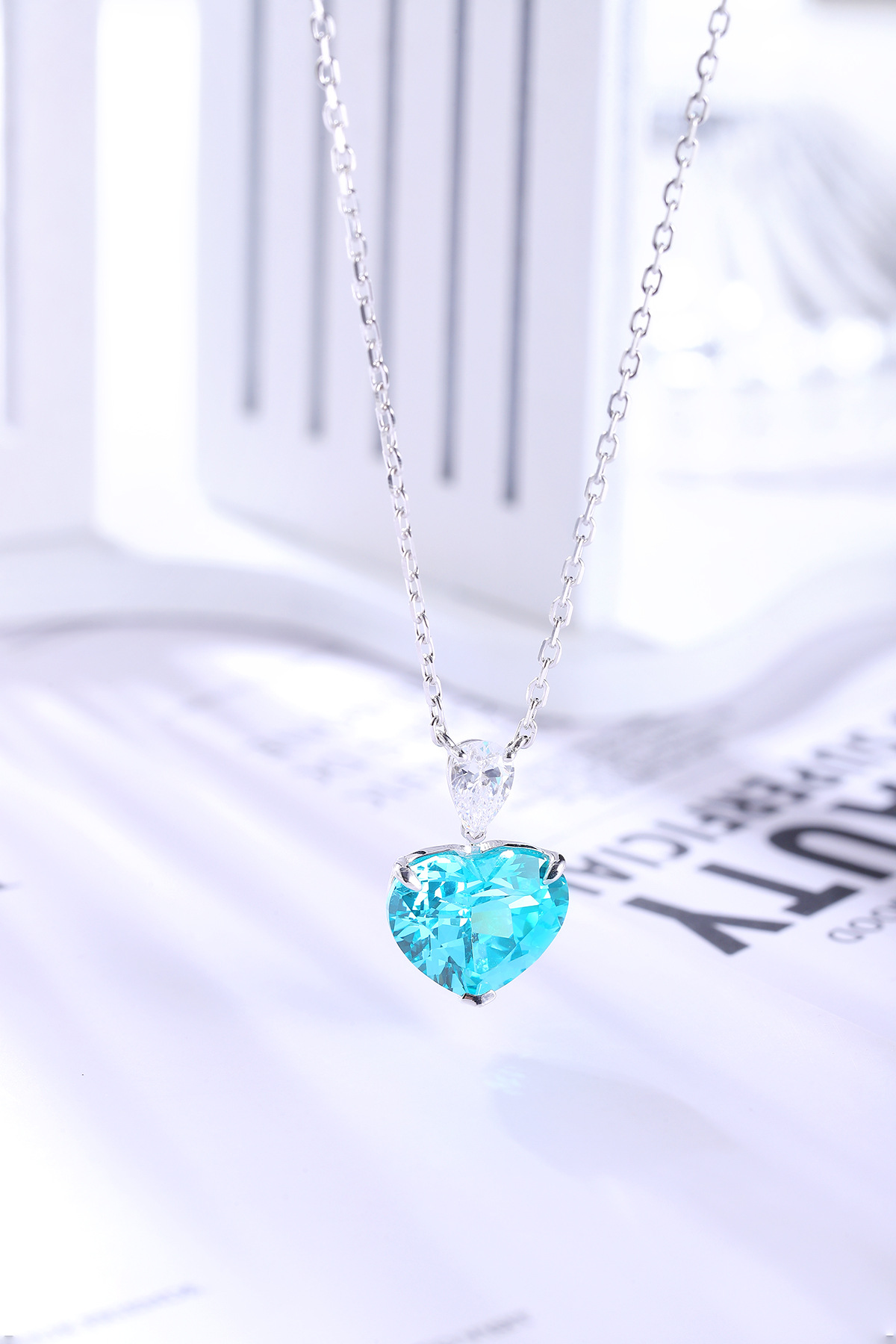
Cleaning is also a good opportunity to inspect the setting.
Look for:
A stone that moves when gently touched
Bent or damaged prongs
Gaps around the gemstone
Missing accent stones
Unusual rattling
Visible cracks or damage
Excessive wear on the setting
If the center moissanite appears loose, do not continue brushing it aggressively.
Instead, stop wearing the jewelry and have it inspected by a qualified jeweler.
A clean gemstone is not useful if the setting cannot securely hold it.
If your moissanite still looks dull after careful cleaning, several possibilities should be considered.
Professional equipment may be able to remove residue from areas that are difficult to reach at home.
The metal setting can accumulate scratches over time, changing the overall appearance of the ring even if the moissanite remains bright.
Moissanite is durable, but no gemstone is completely immune to damage. A strong impact can potentially cause chips or other physical problems.
A loose stone should be professionally inspected rather than repeatedly cleaned at home.
Moissanite can look different under daylight, indoor lighting, warm LEDs, and other sources. Changes in perceived fire and brilliance do not necessarily indicate a problem with the gemstone.
Professional cleaning can be worthwhile when jewelry has heavy buildup or intricate construction.
A jeweler can clean the piece while also checking:
Prong condition
Stone security
Metal wear
Accent stones
Surface damage
Overall setting condition
For valuable or frequently worn jewelry, periodic professional inspection provides an additional layer of protection.
Restoring sparkle is useful, but preventing buildup is even better.
A few simple habits can help:
Put jewelry on last. Apply makeup, lotion, perfume, sunscreen, and hair products before putting on your ring or other jewelry.
Remove rings during messy activities. Cooking, cleaning, gardening, and household chores can expose jewelry to oils, dirt, chemicals, and impact.
Remove jewelry before swimming. Pools, hot tubs, saltwater, sunscreen, and other environmental factors can affect the appearance of jewelry and its setting.
Store pieces separately. Keeping jewelry in individual compartments can reduce scratching and prevent pieces from rubbing against one another.
Clean regularly. Frequent gentle cleaning is usually easier and safer than waiting until heavy residue has accumulated.
Rings usually need the most frequent cleaning because they have constant contact with skin, soap, lotion, and other substances.
Earrings can collect skin oils, hair products, and cosmetics. Pay attention to the backs and areas around the setting.
Necklaces can collect body oils and cosmetic residue, particularly around the pendant. Clean the chain and setting together according to the metal manufacturer's recommendations.
Bracelets experience frequent movement and contact with surfaces. Inspect the setting and clasp regularly in addition to cleaning the gemstones.
Knowing how to bring back sparkle to moissanite jewelry does not require complicated equipment or expensive products. In many cases, the solution is simply a gentle cleaning with lukewarm water, mild soap, and a soft brush.
The most common causes of dull-looking moissanite are everyday residues such as lotion, sunscreen, soap, cosmetics, oils, and dust. Cleaning the gemstone and the area underneath the setting can often restore a bright, lively appearance.
For long-term care, combine regular gentle cleaning with careful storage, sensible everyday habits, and periodic inspection of the setting. If a moissanite remains cloudy after cleaning, appears damaged, or feels loose, professional evaluation is a better solution than aggressive home polishing.
With consistent care, a well-made moissanite ring or jewelry piece can maintain its brilliance and fire for years, making routine maintenance an important part of enjoying the gemstone's distinctive sparkle.









