
Cart
Your shopping cart doesn't have any products yet!
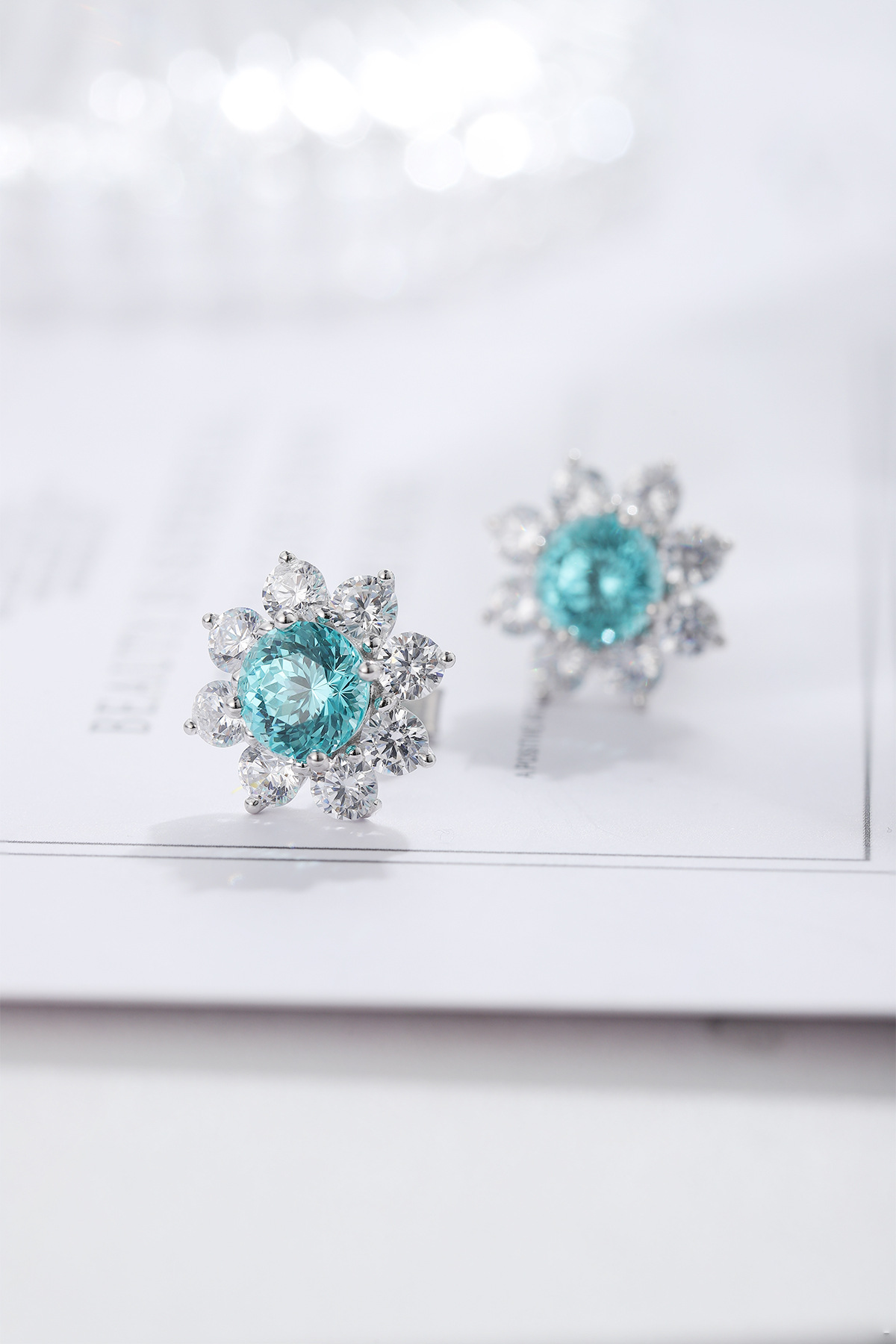
The market for fancy color lab grown diamonds has created new opportunities for jewelry brands, manufacturers, retailers, and custom jewelry businesses looking for distinctive stones at wholesale quantities. Among sourcing destinations in China, Wuzhou is widely associated with the jewelry and gemstone manufacturing industry, making it a location that wholesale buyers may consider when exploring laboratory-grown diamonds and related jewelry production.
For businesses researching Wuzhou fancy color lab grown diamond wholesale, the main challenge is not simply finding colorful stones. A successful wholesale purchase requires consistent color, reliable sizing, appropriate clarity, stable supply, accurate product specifications, and effective quality control.
Whether you are sourcing pink, yellow, blue, green, champagne, or other fancy-color lab grown diamonds, understanding how to evaluate wholesale inventory can help reduce inconsistencies between samples and larger production batches.
Fancy color lab grown diamonds are laboratory-created diamonds that display noticeable color beyond the traditional colorless-to-light-yellow diamond range.
Depending on the manufacturing process and treatment, available colors may include:
Pink
Yellow
Blue
Green
Champagne
Brown
Gray
Black
Other specialty colors
The visual effect can range from very subtle color to strong, saturated hues.
For jewelry manufacturers, this creates considerable design flexibility. Fancy color lab grown diamonds can be used in engagement rings, earrings, pendants, bracelets, fashion jewelry, statement pieces, and custom collections.
The important point for wholesale buyers is that color is not a single specification. A supplier may describe stones using terms such as fancy pink, vivid pink, fancy yellow, or deep blue, but buyers should establish exactly what those descriptions mean before placing a large order.
Wuzhou has developed a strong reputation as a jewelry manufacturing and processing center, with a large ecosystem of businesses involved in gemstones, jewelry production, setting, polishing, and related manufacturing services.
For a wholesale buyer, the advantage of sourcing from an established manufacturing region is not simply geographic. It can potentially make it easier to coordinate multiple stages of a jewelry supply chain.
For example, a business may be looking for:
Loose fancy color lab grown diamonds
Calibrated lab grown diamonds
Matching diamond pairs
Small melee-size stones
Custom-cut laboratory-grown diamonds
Stones for private-label jewelry
Lab grown diamonds for engagement rings
Fancy color stones for fashion jewelry
Bulk stones for repeated production
A supplier capable of supporting several of these requirements can be more useful than a supplier offering only individual stones.
However, location alone should never be treated as proof of quality. A Wuzhou lab grown diamond wholesale supplier should still be evaluated according to its actual products, specifications, quality-control procedures, communication, documentation, and production consistency.
When buying colorless lab grown diamonds, buyers commonly focus on the traditional 4Cs: cut, color, clarity, and carat weight.
Fancy color diamonds require a somewhat different purchasing mindset.
Color becomes a central visual characteristic, and buyers should evaluate:
Hue + Tone + Saturation + Distribution + Consistency
Hue describes the basic color family, such as pink, blue, yellow, or green.
Tone refers broadly to how light or dark the color appears.
Saturation describes the strength or intensity of the color.
Color should ideally be evaluated across the entire stone rather than only in one highly favorable photograph.
For wholesale purchases, consistency becomes particularly important. A jewelry manufacturer ordering 500 stones may need them to look reasonably uniform when set together.
A beautiful individual sample is not enough if the next production batch looks significantly different.
One of the biggest differences between retail and wholesale diamond purchasing is the importance of batch consistency.
A consumer purchasing one fancy color lab grown diamond can select the exact stone they like. A manufacturer purchasing hundreds or thousands of stones needs predictable specifications.
Imagine ordering a batch of pink lab grown diamonds for a jewelry collection. If some stones appear pale pink, others appear noticeably darker, and others show a different secondary hue, the finished pieces may not look consistent.
This can create problems with:
Product photography
Inventory matching
Customer expectations
Production scheduling
Pricing
Quality control
Repeat orders
Before committing to a large fancy color lab grown diamond wholesale order, ask whether the supplier can maintain the requested color range across the entire batch.
A representative sample is one of the most useful tools for wholesale sourcing.
Instead of evaluating a supplier entirely through catalog photographs, request samples that represent the quality you expect to receive in production.
For example, if you are considering 1,000 pink lab grown diamonds, the sample should help you evaluate:
Actual color
Cut consistency
Dimensions
Clarity
Polish
Symmetry
Facet appearance
Color distribution
Packaging
Identification or documentation where applicable
Ideally, samples should represent the production specification rather than being specially selected showcase stones.
This is particularly important when sourcing bulk fancy color lab grown diamonds from Wuzhou or another manufacturing market.
Color descriptions can be subjective.
A supplier may interpret “light pink” differently from a jewelry designer, retailer, or purchasing manager. For this reason, wholesale specifications should be as objective as possible.
A purchase specification can include:
Color family
Desired color intensity
Approximate tone
Acceptable variation
Shape
Carat or size range
Measurements
Clarity range
Cut requirements
Polish
Symmetry
Treatment or growth information
Quantity
Packaging requirements
The more clearly these specifications are established before production, the easier it becomes to evaluate whether the delivered batch meets expectations.
Fancy color diamonds require another important question:
How was the color produced?
Laboratory-grown diamonds can display color as a result of growth conditions, impurities or defects within the crystal structure, post-growth treatment, or other processing methods.
For wholesale buyers, this distinction matters because a customer or retailer may expect accurate disclosure of the diamond's origin and any relevant treatment.
When purchasing fancy color lab grown diamonds, ask the supplier to clearly explain:
Whether the color is as-grown
Whether post-growth treatment was used
What treatment was applied, if any
Whether treatment affects care requirements
How the color is documented
What information appears on available grading documentation
Do not assume that every colorful lab grown diamond has the same origin of color.
Two major laboratory growth technologies are CVD and HPHT.
Both can produce laboratory-grown diamonds, but the growth conditions are different, and those differences can influence the resulting diamond's characteristics.
For wholesale purchasing, it is usually better to ask about the actual stone or batch rather than assuming that one growth method is automatically superior.
Depending on the product, buyers may want to evaluate:
Growth method
Color origin
Clarity characteristics
Dimensions
Cut quality
Treatment history
Available grading documentation
Batch consistency
The most useful question is not simply “CVD or HPHT?” but rather “Does this particular material meet the specifications required for my jewelry collection?”
Fancy color lab grown diamonds can be manufactured in many popular shapes.
Common options include:
Round
Oval
Cushion
Emerald
Princess
Pear
Marquise
Radiant
Asscher
Heart
Different shapes can create different visual impressions of color.
For example, elongated shapes may distribute color differently from compact shapes, while step-cut designs can create a more transparent and geometric appearance.
For a wholesale collection, shape consistency is especially important.
If a manufacturer orders calibrated oval stones, variations in length-to-width ratio can make matching stones difficult during jewelry production.
Therefore, calibrated fancy color lab grown diamonds can be especially valuable for manufacturers producing repeated designs.
Wholesale jewelry manufacturers often work with specific mounting dimensions.
A ring design may require a stone measuring approximately 8 × 6 mm. An earring design may require a pair of stones with matching dimensions. A pavé design may require dozens of small stones with tightly controlled measurements.
In these cases, carat weight alone is not sufficient.
Buyers should specify:
Length
Width
Depth
Acceptable tolerance
Shape ratio
Matching requirements
For bulk lab grown diamond jewelry production, consistent millimeter dimensions can be more useful than simply ordering stones by carat weight.
Color is often the primary visual attraction of a fancy color diamond, but clarity should not be ignored.
The importance of clarity depends on:
Stone size
Shape
Color intensity
Faceting
Intended jewelry use
Viewing distance
Customer expectations
For small stones, extremely high clarity may offer little visible benefit. For larger center stones, inclusions can be more noticeable.
A wholesale buyer should therefore establish a practical clarity range rather than automatically requesting the highest available grade.
This can help control costs while maintaining an attractive finished product.
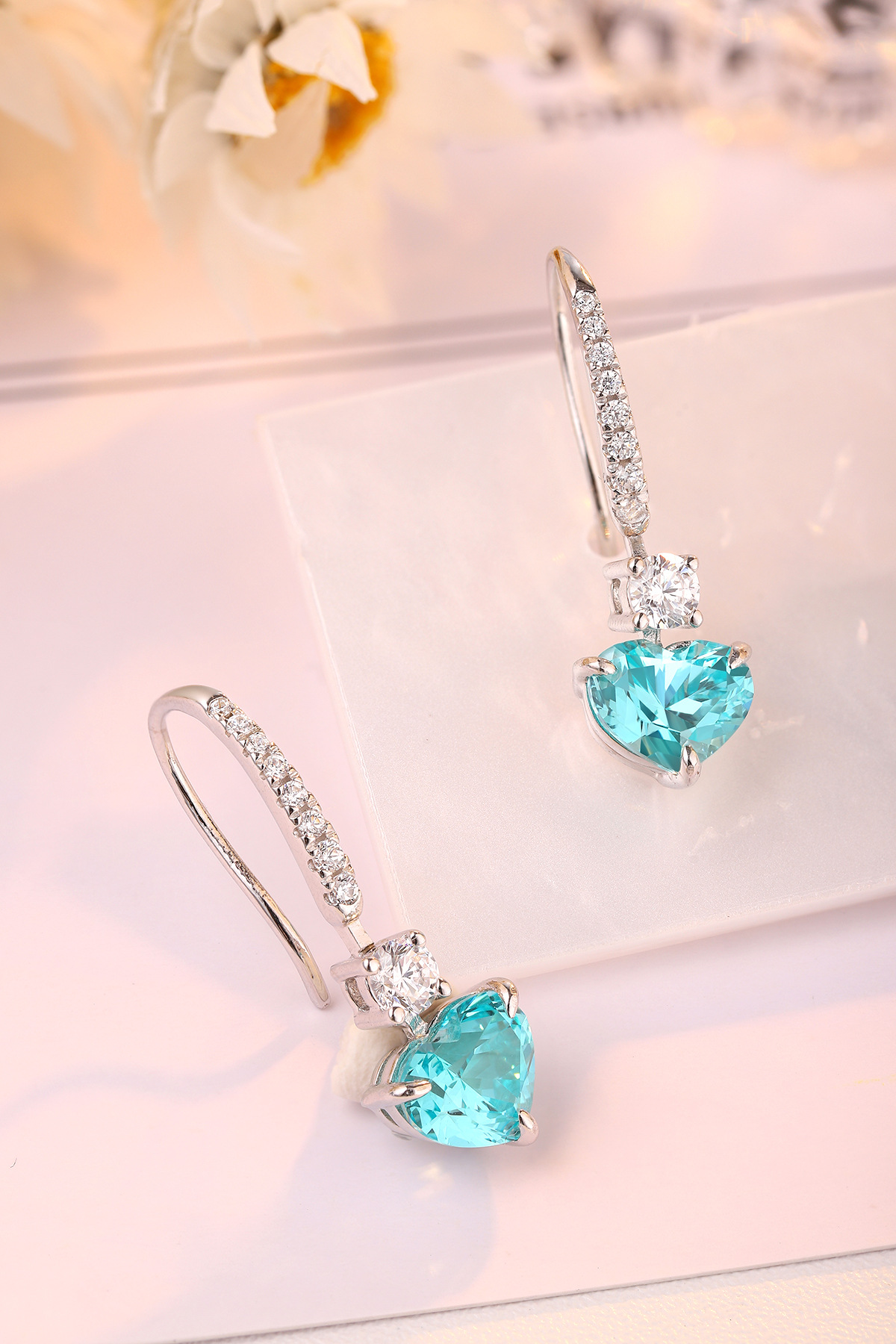
A fancy color lab grown diamond can have a beautiful color but still perform poorly if the cutting is inconsistent.
Wholesale buyers should examine:
Facet symmetry
Polish
Proportions
Table and depth
Shape outline
Facet alignment
Light performance
Color distribution
The best specification depends on the intended design.
For example, a fashion jewelry collection may prioritize strong color and consistent calibration, while a premium engagement ring collection may place greater emphasis on overall cut quality and optical performance.
Before placing a substantial order, create a written inspection checklist.
A practical lab grown diamond wholesale quality-control checklist may include:
| Quality Factor | What to Check |
|---|---|
| Color | Hue, tone, saturation, consistency |
| Size | Length, width, depth, tolerance |
| Shape | Outline and length-to-width consistency |
| Cut | Faceting and proportions |
| Polish | Surface finish and defects |
| Symmetry | Alignment and overall balance |
| Clarity | Inclusion level and visibility |
| Treatment | Color origin and treatment disclosure |
| Documentation | Reports or other available records |
| Quantity | Correct number of stones |
| Packaging | Secure and clearly identified |
| Matching | Consistency across pairs and sets |
A documented inspection process helps transform subjective quality judgments into repeatable purchasing standards.
Do not compare suppliers solely by price.
A lower quoted price can become expensive if the supplier delivers inconsistent stones, incorrect sizes, poor communication, or batches that cannot be used in production.
Instead, compare suppliers according to:
Can the supplier reproduce the same specifications across multiple orders?
Can the supplier clearly answer questions about color, growth method, treatment, grading, and measurements?
Will the supplier provide representative samples before bulk production?
Does the supplier have a defined inspection process?
Can the supplier produce specific shapes, dimensions, or color ranges?
Can the supplier handle your required volume without significantly changing quality?
Are stones securely separated, labeled, and protected during shipping?
Can the supplier provide appropriate documentation for the type of diamonds being sold?
These factors can be more important to a long-term jewelry business than a small difference in the initial unit price.
Wholesale buyers can encounter several avoidable problems.
Professional lighting and photography can make stones look more uniform than they are in person.
The cheapest stone is not necessarily the most economical choice if it creates production problems.
Terms such as “pink” or “blue” are too broad for many wholesale applications.
A production order should ideally be based on an approved sample or clearly defined specification.
A batch can have the correct total carat weight but still contain inconsistent dimensions.
A supplier may perform well on one order but produce different results later. Repeat quality should be monitored.
Fancy color stones require clear communication about how their color was achieved.
For jewelry businesses, the best wholesale supplier is often not simply the one offering the lowest price.
A dependable relationship can make future purchasing easier.
Once a supplier consistently meets your specifications, maintain a documented product standard covering:
Approved color examples
Approved sizes
Shape ratios
Clarity requirements
Cut expectations
Treatment disclosure
Packaging
Inspection procedures
Acceptable tolerances
This creates a reference point for future orders.
A reliable Wuzhou fancy color lab grown diamond supplier should be able to understand these requirements and communicate clearly when a particular specification cannot be reproduced.
Wuzhou fancy color lab grown diamond wholesale can be an attractive sourcing option for jewelry businesses looking for colorful laboratory-grown diamonds, calibrated stones, custom cuts, or repeat production quantities.
However, successful wholesale sourcing depends on much more than finding an attractive sample.
Color consistency, treatment disclosure, cut quality, clarity, measurements, shape accuracy, documentation, sampling, and quality control should all be considered before placing a large order.
For businesses building a long-term jewelry collection, the most valuable supplier relationship is one that delivers consistent fancy color lab grown diamonds, clearly defined specifications, reliable quality control, and repeatable production results.
Rather than choosing a supplier based solely on location or price, evaluate the actual stones, approve representative samples, document your specifications, and monitor every production batch. This approach can make wholesale purchasing more predictable and help create a consistent finished jewelry collection.









