
Cart
Your shopping cart doesn't have any products yet!
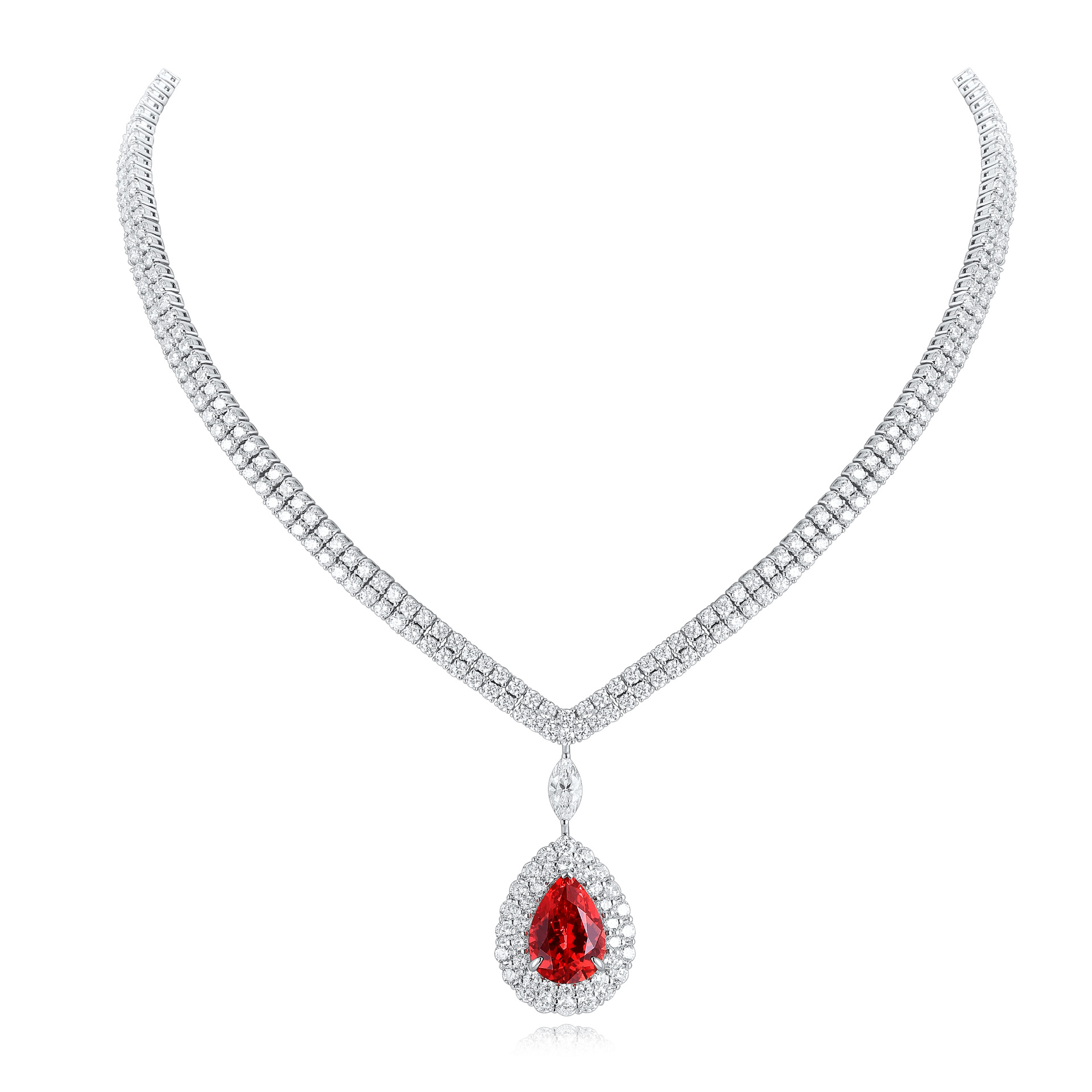
Moissanite is known for its intense brilliance, colorful fire, and diamond-like appearance. Because of these optical properties, many jewelry owners wonder how the stone behaves under unusual lighting conditions.
One common question is: does UV light change the color of moissanite?
The short answer is that UV light does not normally cause permanent color changes in moissanite. However, some moissanite stones may show a temporary visual reaction or fluorescence under ultraviolet light. The effect can vary depending on the stone's composition, quality, color grade, and manufacturing characteristics.
Understanding moissanite and UV light can help buyers distinguish between normal fluorescence, temporary optical effects, and an actual change in the gemstone's body color.
For a properly manufactured moissanite gemstone, exposure to ordinary ultraviolet light should not permanently change its body color.
Moissanite is a durable silicon carbide gemstone with excellent resistance to the conditions associated with normal jewelry wear. UV exposure from everyday sources such as sunlight is generally not expected to permanently transform a colorless or near-colorless stone into a different color.
However, the way a gemstone looks under UV light can be different from the way it appears under normal indoor or daylight illumination.
This distinction is important.
A moissanite may appear slightly different under ultraviolet lighting because of its optical response, but that does not necessarily mean that the gemstone itself has changed color.
Gemstones interact with light in different ways.
Visible light is what allows us to see the familiar brilliance and fire of moissanite. Ultraviolet light has a shorter wavelength and higher energy than visible light, and some gemstones can respond to it through fluorescence.
Moissanite fluorescence under UV light can create a subtle glow or change in appearance that is noticeable when the stone is placed under a suitable ultraviolet source.
This effect is usually temporary. Once the UV source is removed, the gemstone returns to its normal appearance.
The visual response may be more noticeable in a dark environment where the contrast between the gemstone and its surroundings is greater.
Some moissanite stones can exhibit fluorescence when exposed to ultraviolet radiation, although the intensity and appearance can vary.
Fluorescence occurs when a material absorbs energy from ultraviolet light and releases some of that energy as visible light. Depending on the material, this can produce different colors or levels of glow.
When examining moissanite under a blacklight, you may notice that the stone does not necessarily look identical to how it appears under daylight.
That does not automatically indicate a problem with the gemstone.
In fact, a UV reaction can simply be part of the stone's optical characteristics.
No.
This is one of the most important distinctions when discussing moissanite color under UV light.
A temporary fluorescence effect occurs while the gemstone is being exposed to ultraviolet light. Once the UV source is removed, the visible reaction normally disappears.
A permanent color change would mean that the gemstone's actual body color had been altered.
These are two very different phenomena.
For example, if a moissanite appears to have a bluish or other colored glow under a blacklight but returns to its normal appearance immediately afterward, this is better understood as an optical response rather than permanent discoloration.
Sunlight contains ultraviolet radiation, so it is reasonable to ask whether long-term sunlight exposure can affect moissanite.
Under normal conditions, sunlight is not expected to permanently change the color of a high-quality moissanite gemstone.
Moissanite is designed for durability and is commonly used in rings, earrings, necklaces, and other jewelry intended for regular wear.
Everyday exposure to outdoor light is therefore not usually a reason to worry about the gemstone gradually becoming yellow, blue, or another color.
That said, jewelry contains more than just the gemstone.
The metal setting, plating, adhesives in certain jewelry constructions, and other decorative materials may respond differently to environmental exposure. When evaluating long-term UV exposure, it is useful to consider the complete piece rather than focusing only on the moissanite.
A blue, purple, or other unusual glow under ultraviolet light can be surprising, especially when the stone normally looks colorless.
However, a blue or purple glow from moissanite under UV light does not necessarily mean the stone has become blue or purple.
The gemstone may simply be fluorescing.
The exact appearance can depend on several factors, including:
The stone's material characteristics
Manufacturing process
Color grade
Cut and proportions
UV light source
Viewing environment
Intensity of the ultraviolet radiation
Because different moissanite stones can react differently, two visually similar stones may not produce exactly the same appearance under UV light.
UV exposure itself is not normally considered a cause of permanent loss of moissanite brilliance.
However, lighting conditions can dramatically change how sparkle is perceived.
Moissanite's appearance depends on the interaction between the stone's cut and the surrounding light. Under bright sunlight, indoor lighting, LED lighting, or ultraviolet illumination, the gemstone can produce different visual effects.
This means a stone may appear:
Brighter in direct light
More colorful in certain lighting
More subdued in low light
Slightly different under UV illumination
More reflective when viewed against a dark background
These changes are primarily related to lighting and optical behavior, rather than physical deterioration of the gemstone.
UV light itself should not normally make a healthy moissanite permanently cloudy.
If a stone suddenly looks hazy, the first thing to consider is often surface contamination.
Moissanite jewelry can collect:
Skin oils
Hand lotion
Sunscreen
Soap residue
Cosmetics
Dust
Everyday environmental buildup
These substances can interfere with the way light enters and leaves the gemstone, making it appear less brilliant.
If your moissanite looks cloudy under UV or normal light, gently cleaning the jewelry may help determine whether the issue is simply surface residue.
If you want to see how your moissanite responds to ultraviolet light, you can perform a simple visual comparison.
Place the jewelry in a relatively dark environment and expose the gemstone to a suitable UV or blacklight source.
Observe the stone without comparing it to exaggerated images or videos online, since cameras can capture UV-related effects differently from the human eye.
Pay attention to:
Whether the gemstone produces any visible fluorescence.
The apparent color of the fluorescence.
Whether the effect disappears after the UV source is removed.
Whether the stone returns to its normal appearance under ordinary lighting.
If the gemstone immediately returns to its usual appearance, there is generally no reason to interpret the temporary effect as permanent discoloration.
For normal jewelry use, UV exposure is not generally considered a major threat to moissanite's durability.
Moissanite is valued partly because it combines strong visual performance with excellent hardness and resistance to everyday wear.
Nevertheless, excessive exposure to extreme environmental conditions is unnecessary for any jewelry.
If you regularly use strong UV equipment for professional, industrial, scientific, or other specialized purposes, it is sensible to consider the entire jewelry construction and follow the manufacturer's care recommendations.
For ordinary exposure to sunlight and occasional blacklight use, however, UV light is not expected to permanently damage moissanite.
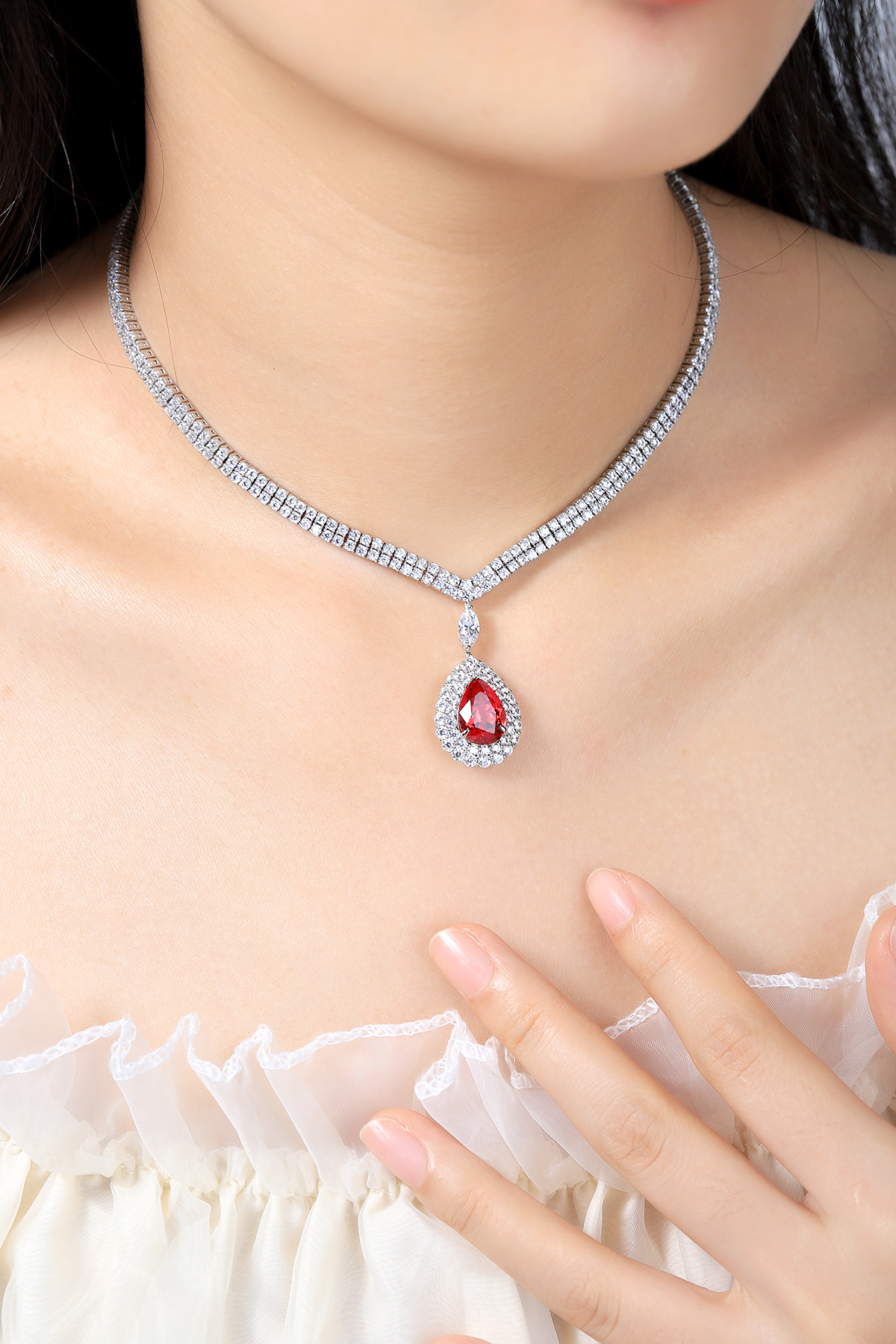
Most modern moissanite used in jewelry is manufactured rather than mined naturally. The production process allows manufacturers to create gemstones with controlled optical and physical characteristics.
The fact that a stone is lab-created does not automatically mean it will behave identically to every other moissanite under UV light.
Differences in manufacturing, material quality, treatments, and individual stone characteristics can influence the visual response.
Therefore, lab-grown moissanite UV fluorescence should not be treated as a simple quality test by itself.
A different UV reaction does not automatically mean that one moissanite is better or worse than another.
UV light can provide interesting information about a gemstone's optical behavior, but it should not be used as the only method for determining moissanite quality or authenticity.
A gemstone's overall quality depends on factors such as:
Cut quality
Clarity
Color
Faceting precision
Surface finish
Manufacturing consistency
Overall craftsmanship
A strong or weak UV reaction does not necessarily tell you whether a moissanite is high quality.
If you are purchasing an expensive piece of jewelry and have concerns about authenticity or material quality, professional gemstone identification is more reliable than relying on a blacklight test alone.
Different moissanite colors can produce different visual impressions under ultraviolet lighting.
Colorless and near-colorless moissanite may show a contrast between its normal appearance and any visible fluorescence. Colored moissanite can be even more difficult to evaluate casually because the gemstone's body color and fluorescence may interact visually.
This is another reason not to judge moissanite color change under UV light solely from a quick visual inspection.
The lighting environment, background, camera settings, and intensity of the UV source can all influence what you see.
For normal use, moissanite does not require complicated protection from ordinary sunlight.
Good jewelry-care habits are usually sufficient:
Store jewelry in a clean, dry location.
Avoid unnecessary exposure to harsh chemicals.
Keep the stone clean so its optical performance remains strong.
Remove jewelry during activities that could cause physical impact.
Inspect the setting periodically for loose prongs or other damage.
Clean the gemstone gently when residue accumulates.
Follow the care recommendations provided by the jewelry manufacturer.
These simple habits help maintain the brilliance and fire of moissanite for everyday wear.
If your moissanite appears to have a different color even after you move it away from UV light, do not immediately assume that ultraviolet exposure permanently changed the gemstone.
First, clean the jewelry carefully to remove surface residue.
Then compare the stone under several types of ordinary lighting, such as:
Natural daylight
Indoor white lighting
Warm household lighting
Neutral LED lighting
If the difference remains noticeable, inspect the gemstone and setting more closely.
A professional jeweler or gemologist can determine whether the appearance is caused by the gemstone itself, surface contamination, the setting, or another component of the jewelry.
Moissanite and UV light can produce an interesting visual combination, but temporary fluorescence should not be confused with permanent color change.
A quality moissanite gemstone is generally stable under normal sunlight and everyday UV exposure. Some stones may show a visible reaction under a blacklight or other ultraviolet source, but this effect is typically temporary and related to fluorescence rather than permanent discoloration.
If your moissanite appears blue, purple, or another color under UV light and then returns to its normal appearance afterward, this is generally an optical response rather than evidence that the gemstone has been damaged.
For long-term care, focus less on avoiding ordinary UV light and more on protecting the complete jewelry piece from harsh chemicals, physical impact, buildup, and setting damage. With sensible care, moissanite can continue to provide bright brilliance, colorful fire, and a durable everyday jewelry experience for many years.









