
Cart
Your shopping cart doesn't have any products yet!
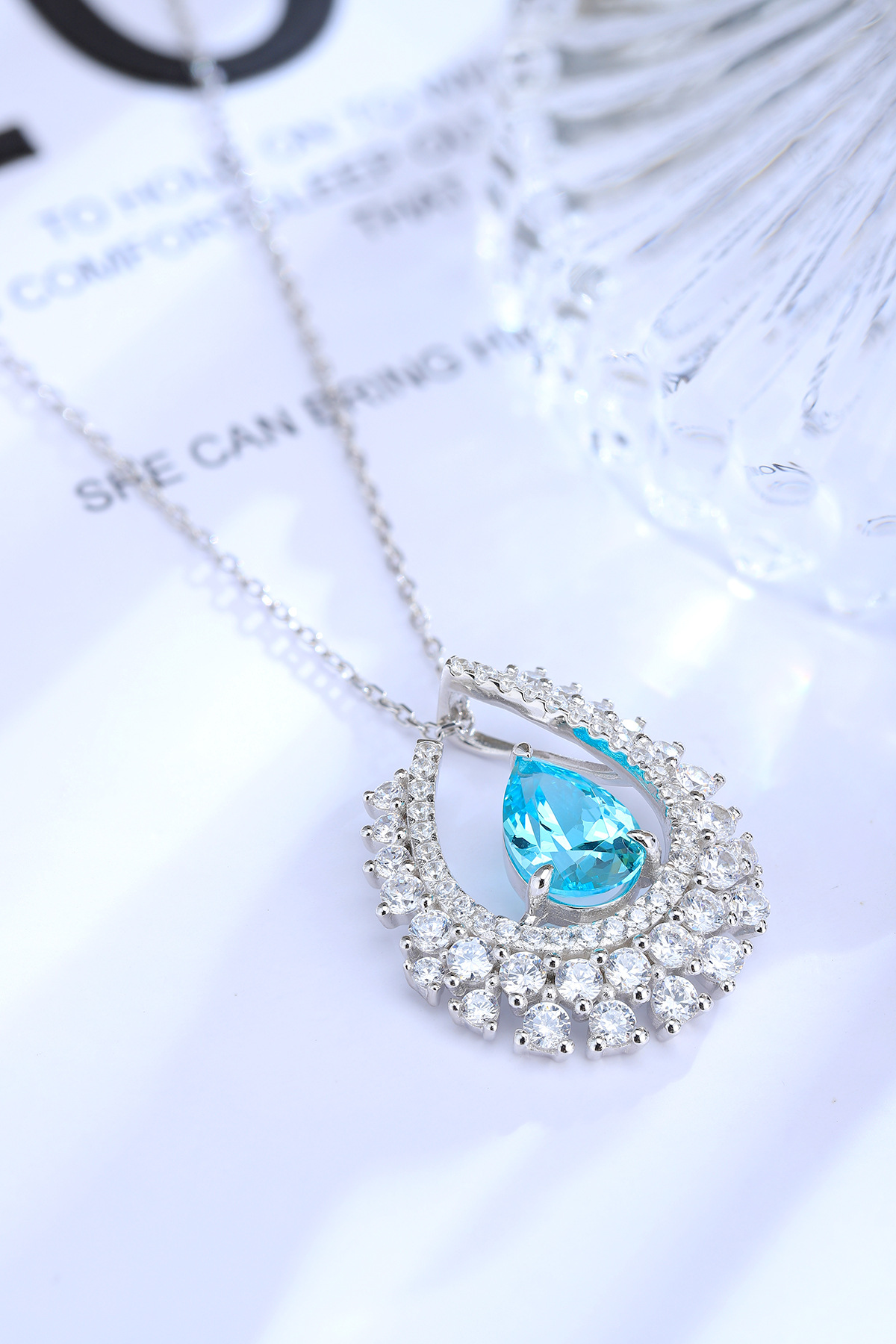
When shopping for diamond alternatives, two names appear frequently: lab grown diamonds and moissanite. Both can create beautiful, sparkling jewelry, and both can appeal to shoppers looking for an attractive stone at a different price point from a traditional mined diamond.
But the similarities can also create confusion.
One of the most common traps for buyers is assuming that lab grown diamonds and moissanite are essentially the same thing simply because both can look similar in a finished ring. They are different gemstones with different compositions, optical characteristics, pricing structures, and purchasing considerations.
Understanding those differences before buying can help shoppers focus on what actually matters rather than making a decision based only on photographs, carat numbers, or advertised discounts.
The first important distinction is straightforward: A lab grown diamond is synthetic diamond, sharing identical chemical composition with mined diamond, while moissanite is a different gemstone.
Lab grown diamonds, also known as synthetic diamonds, are produced using technological processes that recreate the conditions necessary for diamond formation. They possess the same carbon crystal structure as mined natural diamonds.
Moissanite, meanwhile, is silicon carbide. Natural moissanite is extremely rare, so the moissanite used in jewelry is generally laboratory-created and classified as a diamond simulant.
Both stones can offer impressive brilliance, but they interact with light differently. This difference is important when comparing lab grown diamonds vs. moissanite because a buyer may prefer one visual style over the other.
A common mistake is comparing a lab grown diamond and a moissanite using only their apparent size and price.
For example, a shopper might see two stones with similar dimensions and assume that the less expensive option is simply a cheaper version of the more expensive stone.
That is not an accurate comparison.
The stones are different materials, and their optical performance is different. Moissanite is known for strong brilliance and noticeable colorful fire, while a diamond typically produces the familiar combination of white brilliance and more restrained flashes of spectral color.
Neither description automatically determines which stone is right for a particular buyer.
The important question is: What appearance and characteristics do you actually want from the jewelry?
Carat weight is one of the most misunderstood factors when comparing gemstones.
A one-carat lab grown diamond and a one-carat moissanite do not necessarily have the same face-up dimensions because carat measures weight, not visible diameter.
This becomes particularly important when comparing moissanite vs. lab grown diamond size.
Instead of asking only how many carats a stone has, buyers should look at its actual measurements.
A well-cut stone can also appear lively and substantial without having the highest possible carat weight.
For shoppers comparing different stones, checking both carat weight and millimeter dimensions provides a much clearer picture of actual size.
Both lab grown diamonds and moissanite can sparkle intensely, but their light performance has a different character.
Moissanite is known for pronounced rainbow-like flashes of fire, particularly under certain lighting conditions. Some shoppers love this colorful effect because it creates a lively and distinctive appearance.
Lab grown diamonds generally provide the classic diamond appearance, combining bright white reflections with flashes of fire.
This creates an important buying consideration.
If someone wants a very colorful, fiery sparkle, moissanite may appeal to them. If they want the traditional visual character associated with diamond, a lab grown diamond may better match their expectations.
Looking at videos or viewing stones under different lighting conditions can be more informative than relying on a single product photograph.
A lab grown diamond is synthetic diamond, sharing identical chemical composition with mined diamond, but that does not mean every characteristic or purchasing consideration is identical to a natural mined diamond.
The primary difference is origin.
Natural diamonds form naturally within the Earth, while lab grown diamonds are produced using controlled technological processes.
For buyers, this distinction can influence personal preferences, purchasing decisions, and how they think about the value of the jewelry.
Someone who specifically wants a naturally formed gemstone may prefer a mined diamond. Someone who prioritizes diamond material and appearance while considering a laboratory-created origin may find lab grown diamonds more suitable.
The key is understanding the distinction rather than assuming the terms are interchangeable.
Price is obviously important when buying jewelry, but it should not be the only factor.
Moissanite generally occupies a different price category from diamond, while lab grown diamonds can offer another way to purchase diamond jewelry at a potentially lower price than comparable natural diamonds.
However, the final price of a ring depends on much more than the center stone.
Factors can include:
Stone size
Cut quality
Color
Clarity
Stone shape
Metal type
Ring setting
Number of accent stones
Craftsmanship
Brand or retailer
Certification or grading documentation
A very low advertised price may look attractive until the buyer discovers that the setting, stone quality, or included services differ from what they expected.
The better approach is to compare complete jewelry pieces rather than comparing headline prices alone.
A gemstone's cut has a major influence on how it interacts with light.
Two stones made from the same material can look noticeably different if their proportions, symmetry, or faceting differ.
This is particularly relevant when shopping for sparkling lab grown diamond and moissanite rings.
A well-cut stone can produce bright, crisp flashes of light and a lively appearance. A poorly proportioned stone may look less energetic even if it has an impressive carat weight.
When evaluating a stone, look beyond the size and ask whether it appears bright, balanced, and visually appealing from different angles.
Color and clarity terminology can also cause confusion.
Diamond grading systems are well established, and diamond color and clarity are commonly discussed using standardized grading terminology.
Moissanite can be offered in different color categories as well, but buyers should not automatically assume that a particular grade or label translates directly between moissanite and diamond.
Instead, compare the actual appearance of the stone.
For example, a buyer choosing a near-colorless stone should consider how it looks against the chosen metal and whether the stone has the bright, clean appearance they want.
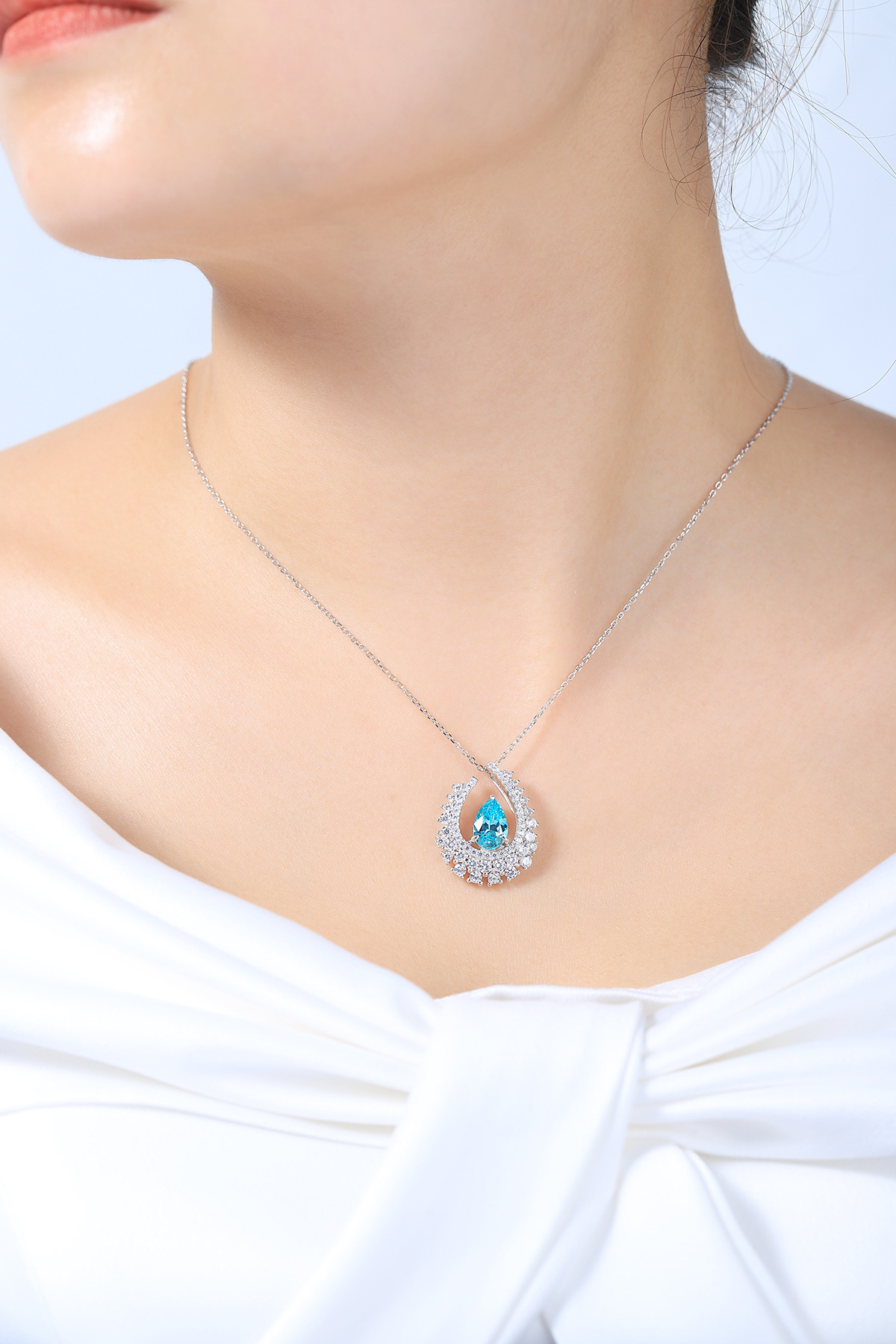
The gemstone is only one part of a ring.
A beautiful stone can still be a poor choice for someone's lifestyle if the setting is uncomfortable or difficult to maintain.
Buyers should consider:
Prong security
Stone protection
Ring profile
Band thickness
Metal durability
Ease of cleaning
Daily activities
Comfort
This is especially important for people who plan to wear a moissanite or lab grown diamond ring every day.
Someone with an active lifestyle may prefer a secure, practical setting rather than a design with highly exposed edges or delicate decorative elements.
A larger gemstone can certainly create a dramatic appearance, but bigger is not always better.
The overall proportions of the jewelry matter.
A large center stone paired with a very thin band may create a different visual balance from a slightly smaller stone paired with a substantial setting.
Similarly, a gemstone's shape can influence how large it appears from above.
Oval, pear, marquise, and elongated cushion shapes can have a substantial visual presence because of their proportions.
When comparing lab grown diamond and moissanite engagement rings, consider the entire design rather than judging the center stone in isolation.
Jewelry can look different in person than it does in product photographs.
Lighting, camera settings, background colors, and image enhancement can all influence how a gemstone appears online.
A clear return or exchange policy gives buyers more flexibility if the finished piece does not match their expectations.
Before ordering, check:
Return period
Resizing policy
Exchange conditions
Custom-order restrictions
Warranty coverage
Shipping and insurance
Included documentation
These details are easy to overlook when a product appears to be a particularly attractive bargain.
Instead of asking which stone is universally better, compare them according to the characteristics that matter to you.
| Feature | Lab Grown Diamond | Moissanite |
|---|---|---|
| Material | Diamond | Silicon carbide |
| Origin | Laboratory-created | Usually laboratory-created |
| Appearance | Classic diamond appearance | Distinctive diamond-like appearance |
| Brilliance | Strong | Very strong |
| Fire | Noticeable | Often more pronounced and colorful |
| Durability | Very high | Very high |
| Price category | Generally higher than moissanite | Generally lower |
| Best comparison method | Cut, color, clarity, carat, measurements | Shape, size, color, cut, measurements |
The table is a starting point rather than a complete buying guide. Individual stones and jewelry pieces can vary significantly.
A practical buying checklist can make the comparison much easier. First, Decide What Look You Prefer Do you prefer classic white diamond sparkle or stronger rainbow-like fire?
Second, Establish Your Budget Determine the total amount you are comfortable spending before choosing the stone.
Third, Compare Actual Measurements Do not rely on carat weight alone. Look at millimeter dimensions and the stone's overall proportions.
Fourth, Evaluate the Setting Make sure the ring or jewelry design suits the intended lifestyle.
Fifth, Check Documentation For diamond purchases, review available grading or certification information. For moissanite, look at the seller's stone specifications and product documentation.
Finally, Consider the Complete Jewelry Piece The center stone, setting, metal, craftsmanship, comfort, and after-sales service all contribute to the purchase.
The biggest mistake is often not choosing moissanite instead of lab grown diamond—or vice versa.
The bigger problem is buying without understanding what you are purchasing.
A buyer who wants the classic characteristics of diamond should understand that moissanite is a different gemstone. A buyer who loves intense colorful fire should know that moissanite's optical appearance can be noticeably different from diamond. Someone focused on budget should compare complete jewelry pieces rather than promotional prices alone.
Once these distinctions are clear, the decision becomes much more straightforward.
Lab grown diamonds and moissanite can both be attractive choices for modern jewelry, but they are not interchangeable gemstones.
The most common buyer trap is treating them as identical products and making a decision based solely on price, carat weight, or photographs.
Instead, consider the stone's material, light performance, measurements, durability, setting, overall design, and your own expectations.
Whether you choose a lab grown diamond ring or a moissanite ring, the best purchase is one where you understand exactly what you are buying and why its characteristics suit your preferences.









