
Cart
Your shopping cart doesn't have any products yet!
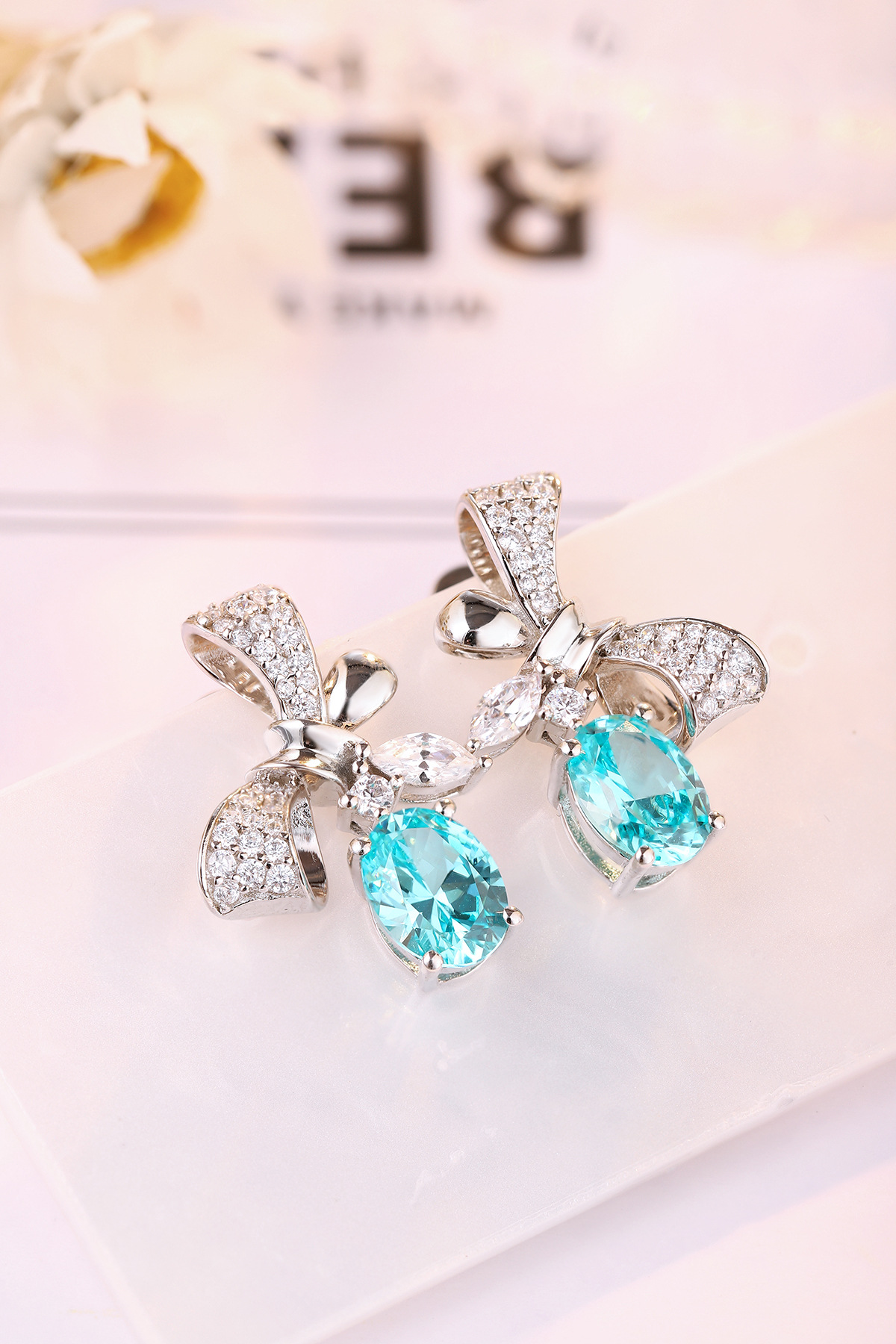
Moissanite is loved for its exceptional brilliance, fiery flashes, and diamond-like durability. Whether worn as an engagement ring, wedding band, necklace, or everyday pair of earrings, moissanite is often chosen because it can withstand the demands of daily life while maintaining its eye-catching sparkle.
But there is one everyday factor that jewelry owners often wonder about: sweat.
If you wear your moissanite jewelry while exercising, working outdoors, commuting, or simply going about your day, can perspiration make moissanite look dull? The short answer is that daily sweat does not permanently damage moissanite, but residue from sweat, skin oils, lotions, and other substances can temporarily reduce its brilliance.
Understanding why this happens—and how to clean moissanite jewelry properly—can help keep your stone looking bright for years.
Sweat itself is not likely to damage a moissanite gemstone. Moissanite is a very hard material and is highly resistant to scratching under normal conditions. However, perspiration contains water, salts, and other compounds that can leave residue on jewelry.
The bigger issue is often what accompanies sweat.
When moissanite jewelry is worn directly against the skin, it can collect:
Body oils
Sweat and salt residue
Hand lotion
Sunscreen
Soap
Cosmetics
Hair products
Dust and everyday grime
These substances can form a thin film over the gemstone and its setting. Because moissanite's sparkle depends on the way light enters and reflects through the stone, even a small amount of surface buildup can make it appear less brilliant.
So if you notice that your moissanite ring looks cloudy after wearing it all day, the stone itself may not be the problem. It may simply need a good cleaning.
For everyday wear, sweat generally does not damage moissanite itself.
Moissanite is a durable gemstone, making it suitable for many types of everyday jewelry. Normal exposure to perspiration during activities such as walking, commuting, gardening, or exercising is unlikely to harm the gemstone.
However, the metal setting deserves additional consideration.
If your moissanite is set in gold, platinum, or another jewelry metal, repeated exposure to sweat and chemicals can contribute to residue and, depending on the metal and surrounding materials, may affect the appearance of the setting over time.
For example, lotions, chlorine, cleaning chemicals, and other substances can be more concerning for certain jewelry metals than ordinary perspiration.
This is one reason moissanite jewelry care for everyday wear should involve more than simply thinking about the gemstone itself.
If your moissanite ring seems less brilliant after a workout, there is usually a straightforward explanation.
During exercise, your skin produces sweat and natural oils. These substances can transfer onto the underside and surface of the stone. At the same time, the jewelry may come into contact with skincare products, gym equipment, dust, or fabric fibers.
The underside of a ring can be particularly susceptible to buildup because it is easy to overlook when cleaning.
A dirty gemstone may still be just as durable and structurally sound as before, but it may not look as bright because light is being obstructed by surface residue.
This is why cleaning moissanite after sweating can make such a noticeable difference.
Moissanite itself is well suited to everyday wear, but whether you should exercise while wearing your jewelry depends on the activity.
For low-impact activities, ordinary sweat is generally not a major concern for the gemstone. However, removing rings and other jewelry before intense workouts can still be a sensible precaution.
There are several reasons:
Physical impact: Weightlifting, contact sports, climbing, and similar activities can put stress on a ring's setting even if the moissanite itself is extremely durable.
Chemicals: Swimming pools may contain chlorine, while hot tubs and other environments can expose jewelry to substances that are less friendly to some metals and finishes.
Dirt and residue: Exercise equipment, chalk, lotions, and other materials can accumulate around the setting.
Loss: Rings can become loose or slip off more easily during certain activities, particularly in water.
Therefore, while sweat does not normally ruin moissanite, removing a ring during strenuous or high-contact activities can help protect the entire piece of jewelry.
Fortunately, keeping moissanite sparkling is relatively simple.
For routine cleaning, start with lukewarm water and a small amount of mild dish soap. Place the jewelry in the solution and allow it to soak briefly. Then use a very soft toothbrush or jewelry brush to gently clean around the stone and setting.
Pay particular attention to areas where residue tends to accumulate, especially underneath the gemstone and around the prongs.
After cleaning, rinse the jewelry thoroughly with clean water and dry it with a soft, lint-free cloth.
This simple process can be especially useful if you are wondering how to clean a moissanite ring that has become dull from sweat.
Fill a small bowl with lukewarm water.
Add a small amount of mild dish soap.
Soak the jewelry for several minutes.
Gently brush around the stone and setting.
Rinse thoroughly with clean water.
Pat dry with a soft, lint-free cloth.
Allow the jewelry to dry completely before storing it.
Regular gentle cleaning is usually more useful than aggressive polishing.
Occasional exposure to water is generally not a problem for moissanite. However, showering while wearing jewelry can expose the setting to soap, shampoo, conditioner, body wash, and other products.
Over time, these substances can leave a film on the gemstone.
If your goal is to maintain maximum brilliance, removing your moissanite ring before showering can reduce the amount of residue that accumulates.
It also makes cleaning easier because fewer products are allowed to build up around the stone and setting.
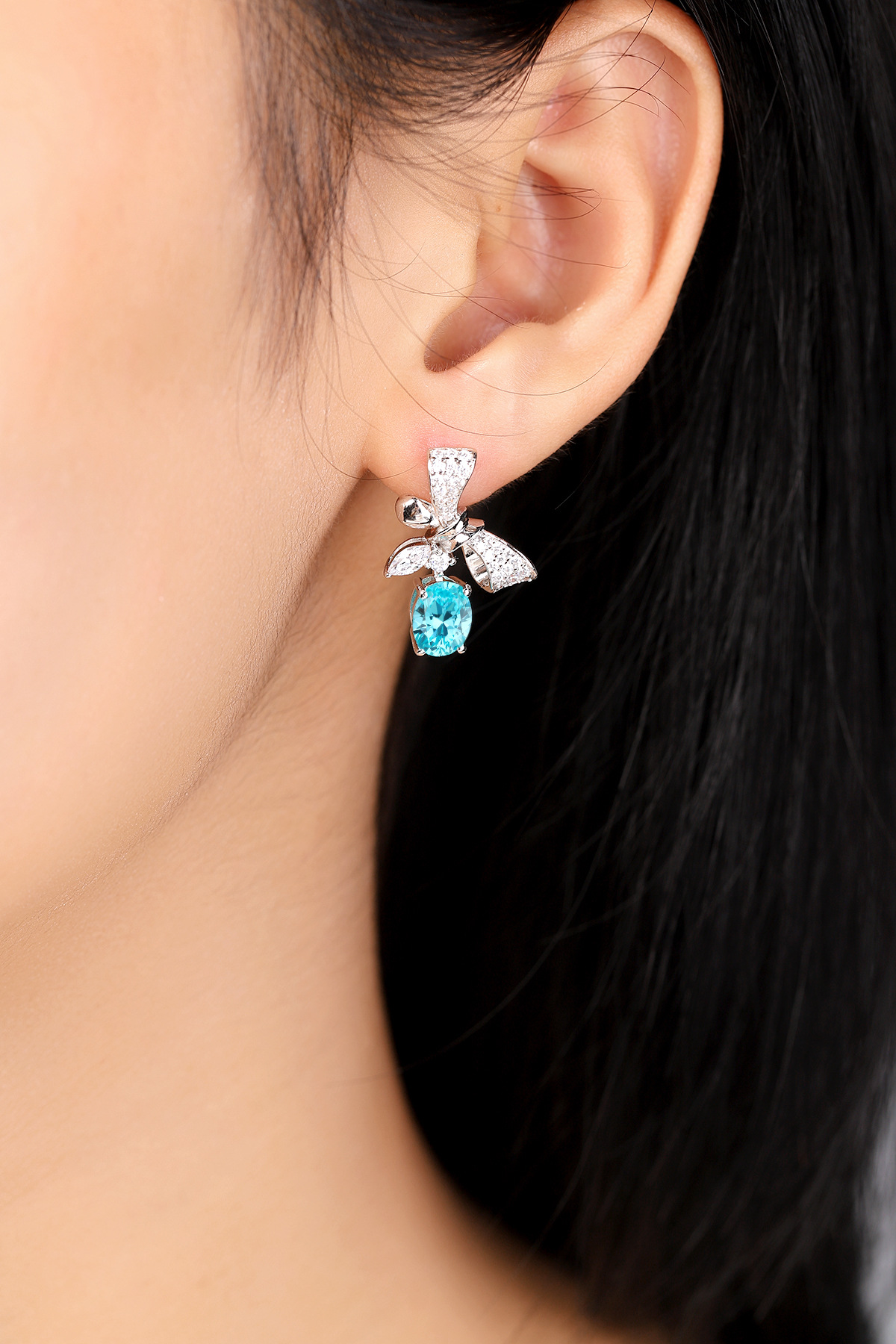
Yes, although they typically affect the appearance rather than the gemstone's underlying durability.
Lotions and creams can leave an oily coating over a gemstone. Soap and shampoo can contribute to a different type of residue. Sunscreen can also cling to jewelry, particularly during summer or outdoor activities.
If your moissanite looks noticeably brighter immediately after cleaning, that is a good indication that surface buildup—not permanent damage—was responsible for the temporary loss of sparkle.
This is why how to keep moissanite sparkling every day is largely a matter of simple maintenance.
There is no single cleaning schedule that works for everyone.
Someone who wears a moissanite ring occasionally may only need to clean it when it begins to look cloudy. Someone who wears a ring every day, exercises frequently, works outdoors, or regularly uses lotions and cosmetics may benefit from more frequent cleaning.
A gentle at-home cleaning once a week can be a practical routine for many everyday-wear pieces, with additional cleaning whenever the jewelry becomes visibly dirty.
The key is consistency rather than aggressive cleaning.
Sweat does not normally cause moissanite to permanently turn cloudy.
If a moissanite gemstone appears hazy after prolonged daily wear, surface residue is a likely explanation. Oils, perspiration, soap, cosmetics, and other substances can collect on the stone and interfere with the way light passes through it.
After a proper cleaning, the gemstone should generally regain its characteristic brilliance.
If the appearance does not improve after cleaning, however, the jewelry may need closer inspection. The setting could have accumulated debris, or there could be another issue unrelated to ordinary sweat.
Because moissanite is durable, it can tolerate everyday wear well, but that does not mean every cleaning method is appropriate.
Avoid using harsh household chemicals unless the jewelry manufacturer specifically recommends them. You should also be cautious with abrasive materials that could scratch or damage the jewelry setting.
When in doubt, a gentle soap-and-water cleaning is a good starting point.
For valuable or intricate pieces, professional jewelry cleaning and inspection can also help identify loose prongs or other setting problems before they become serious.
If you love wearing your moissanite jewelry every day, you do not necessarily need to avoid normal activities simply because you sweat.
Instead, establish a few easy habits:
Remove jewelry before strenuous or contact-heavy activities.
Take rings off before swimming in chlorinated water.
Remove jewelry before applying heavy lotions or creams when practical.
Clean frequently worn pieces regularly.
Pay attention to the underside of the gemstone.
Dry jewelry thoroughly after cleaning.
Store clean jewelry separately to reduce scratching and tangling.
Have the setting inspected periodically if the piece is worn constantly.
These habits can help preserve the bright appearance that makes moissanite so appealing.
Daily sweat does not normally damage moissanite or permanently reduce its brilliance. However, perspiration can mix with skin oils, lotions, cosmetics, soap, and everyday dirt to create residue on the gemstone.
That residue can temporarily make a moissanite stone appear cloudy, dull, or less fiery than usual.
The solution is usually simple: clean your moissanite jewelry regularly with mild soap, lukewarm water, and a soft brush or cloth. For strenuous activities, swimming, and situations involving chemicals or significant physical impact, removing the jewelry can provide additional protection.
With sensible care, moissanite can remain a brilliant-looking choice for everyday jewelry. The occasional loss of sparkle is often not a sign that the stone is being damaged—it is simply a reminder that even the most durable jewelry benefits from a little maintenance.









