When shopping for moissanite rings, pendants, or fine jewelry, most buyers only compare carat size and price. However, color and clarity are the two core factors that determine a moissanite’s real sparkle, whiteness, and premium appearance. Low-grade moissanite with poor color or visible inclusions will look yellow, hazy, or dull, even with a perfect cut. This complete moissanite color & clarity guide explains official grading standards, visual differences of each grade, and practical buying rules to help you avoid low-quality stones and select high-end moissanite that looks identical to top-tier diamonds.
1. Moissanite Color Grading Scale Explained
Moissanite adopts a diamond-like color grading system ranging from D (highest) to Z. Unlike diamonds, most commercial high-quality moissanite concentrates on the top color tiers, divided into Colorless (D-F) and Near-Colorless (G-H-I). Lower J-Z grades usually show obvious yellow or tinted hues and are rarely used for fine jewelry.
1.1 D-E-F Colorless (Premium Grade)
D, E, and F grades represent fully colorless moissanite with zero visible yellow tint under natural light. D-color is the absolute highest standard, featuring icy pure white transparency, excellent light transmission, and a crisp, premium diamond-like look. E and F color are slightly lower but still completely colorless to the naked eye.
This grade is the best choice for engagement rings, wedding bands, and daily high-end wear. It maintains a clean white shine in all lighting environments without warm yellow tones.
1.2 G-H-I Near-Colorless (Commercial Grade)
G, H, and I moissanite are near-colorless. Under indoor soft light, they look almost white. However, under strong natural sunlight or professional comparison, a faint warm yellow tint is visible. For small stones below 0.5 carats, the difference is negligible. For stones above 1 carat, the slight yellow hue will gradually affect the icy white effect.
1.3 J-Z Tinted (Low Grade)
J to Z grade moissanite has obvious yellow, greenish, or gray body tones. These low-grade stones look dull and low-end, greatly reducing jewelry aesthetics. Reputable jewelry factories never use J-Z moissanite for fine custom jewelry.
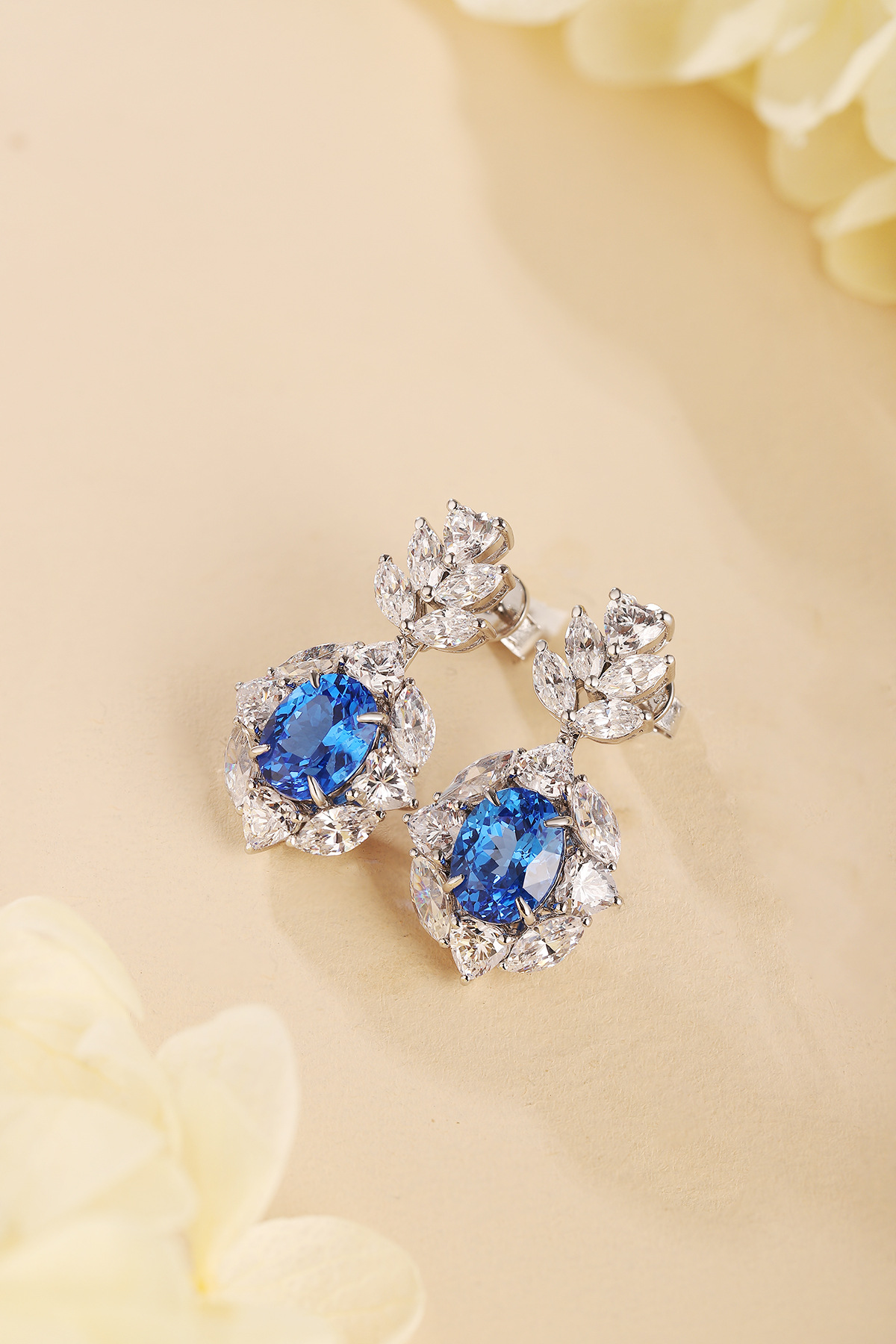
2. Moissanite Clarity Grading Standards
Clarity refers to internal inclusions, tiny crystals, pinpoints, and surface blemishes inside the moissanite. High-quality lab-grown moissanite has far fewer natural flaws than mined diamonds. The mainstream clarity grades from high to low are FL, VVS1/VVS2, VS1/VS2, SI1/SI2.
2.1 FL (Flawless)
No internal or surface flaws visible under 10x professional magnification. This is the top-tier collector-grade moissanite, extremely rare and ultra-premium.
2.2 VVS1 / VVS2 (Very Very Slightly Included) — Recommended Grade
VVS grade moissanite has extremely tiny inclusions that are 100% invisible to the naked eye. Even under 10x loupe magnification, flaws are barely detectable. VVS1 is purer than VVS2. This grade delivers perfect transparency, clean light reflection, and brilliant fire. It is the most cost-effective premium grade for wedding rings and heirloom jewelry.
2.3 VS1 / VS2 (Very Slightly Included)
VS grade has minor inclusions invisible to the naked eye but easy to find under magnification. It still belongs to eye-clean quality, suitable for daily casual wear and budget-friendly custom jewelry.
2.4 SI1 / SI2 (Slightly Included)
SI grade moissanite has visible internal flaws to the naked eye. The inclusions affect light penetration, making the stone look hazy, dark, or less brilliant. This grade is not recommended for fine jewelry.
3. What Is “Eye-Clean” Moissanite?
Eye-clean is the most practical buying standard for ordinary consumers. It means no spots, clouds, or dark inclusions can be seen with the naked eye at a normal viewing distance. All VVS and VS grade moissanite are eye-clean. Only SI and lower grades fail the eye-clean standard.
For daily wear, eye-clean quality guarantees a pure, transparent, and brilliant appearance without messy internal flaws.
4. How Color & Clarity Affect Moissanite’s Sparkle
Many buyers mistakenly believe “big carat = more brilliant”. In fact, poor color and clarity will ruin the sparkle entirely.
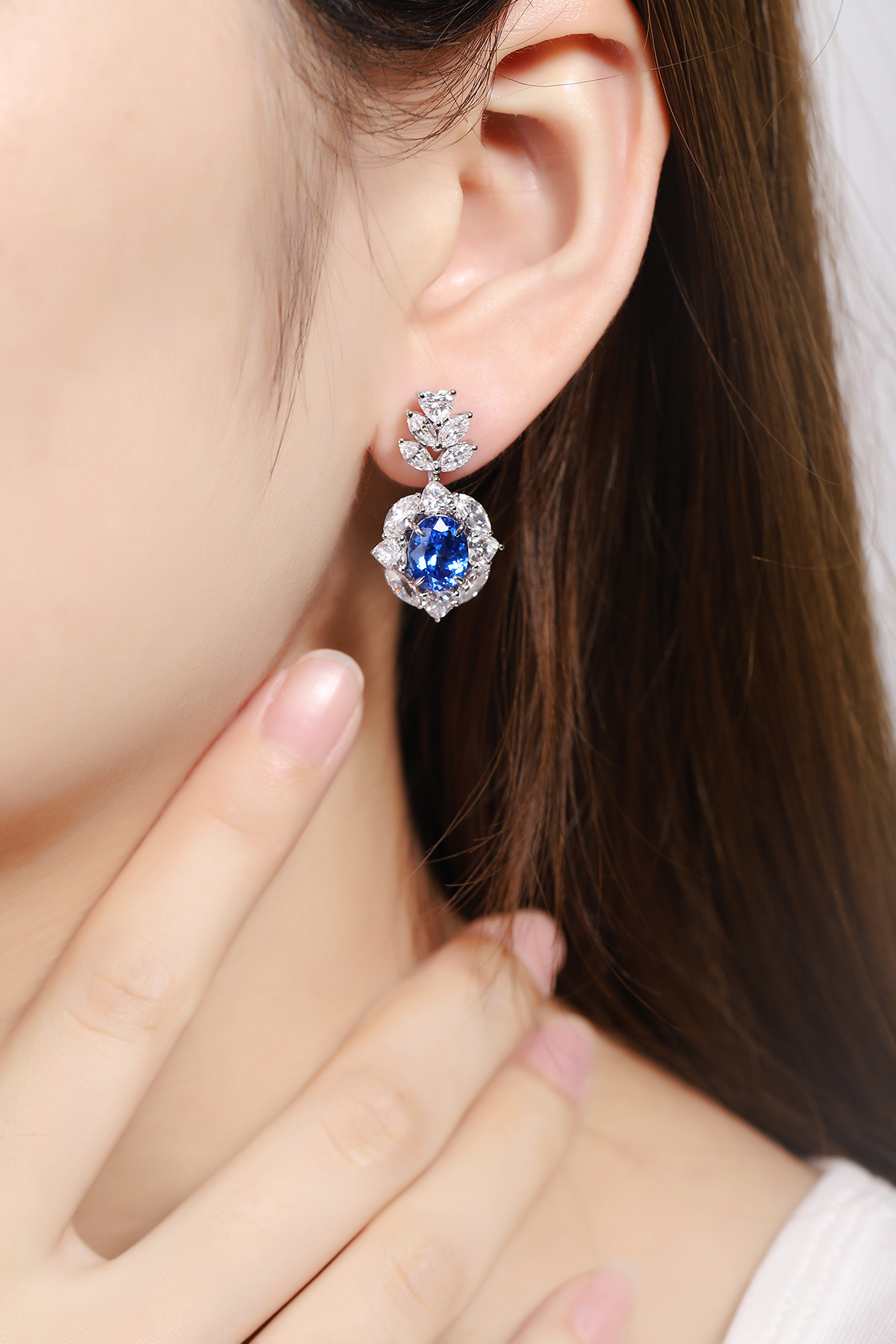
A yellow-tinted low-color moissanite looks dim and cannot reflect pure white light. Moissanite with visible inclusions blocks light refraction and dispersion, reducing fire and creating dark shadow areas inside the stone.
Only D-F color + VVS-VS clarity can present the iconic moissanite feature: icy white body with vivid rainbow fire, exactly like high-end diamonds with better color performance.
5. Practical Buying Matching Rules
Best premium combination (engagement & wedding rings): D-F Color + VVS1/VVS2 ClarityPure white, flawless, maximum fire, diamond-level texture, suitable for long-term collection and marriage commemoration.
Cost-effective daily wear combination: G-H Color + VS ClarityEye-clean quality, negligible daily difference, affordable price, perfect for casual stacking rings and daily accessories.
Grade to avoid: J-Z color + SI clarityObvious yellow tint and visible flaws, dull and low-grade appearance.
6. Factory Professional Tips
As a professional Wuzhou moissanite factory, we strictly adopt D-F color and VVS eye-clean grade for all customized fine jewelry. All stones are laser-engraved and certificate-verifiable, ensuring no yellow tint, no internal flaws, and stable long-term wear performance. Low-grade tinted or flawed moissanite will gradually look foggy and worn after long-term wearing, while high-grade moissanite remains transparent and brilliant for decades.










